
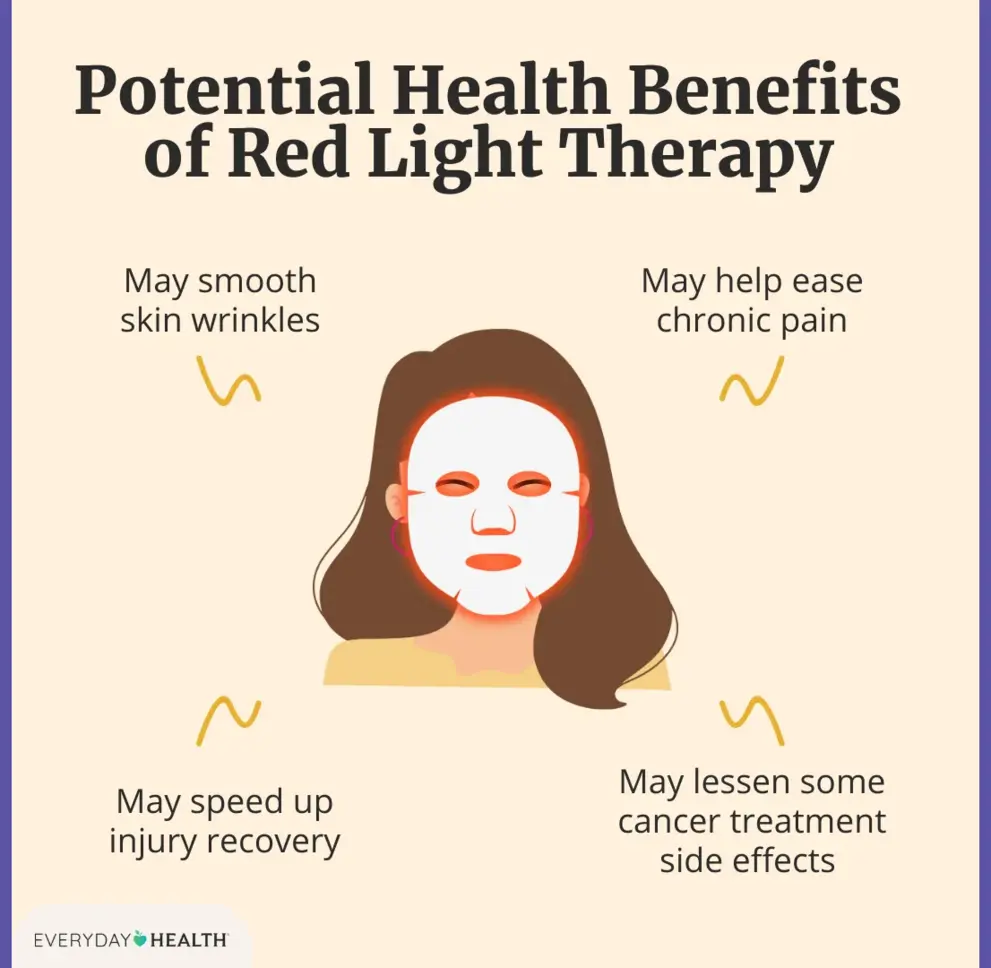
Red light safety effects are critical to understand before starting any light therapy regimen. Red light therapy (RLT) uses specific wavelengths of light (typically 630-660nm for red light and 810-850nm for near-infrared) to stimulate cellular function and promote healing. While generally considered safe when used correctly, knowing potential risks and taking proper precautions ensures you can enjoy the benefits without unwanted side effects.[source 1]
⭐ What We’ll Discover
Understanding Red Light Safety Effects
1
What Are Red Light Safety Effects?
Red light safety effects encompass both the therapeutic benefits and potential adverse reactions that can occur with RLT. When used appropriately, red light therapy is considered safe for most people. However, misuse—through excessive exposure, improper eye protection, or use despite contraindications—can lead to unwanted outcomes.[source 2] [source 3]
Typically, adverse effects are mild and temporary when they do occur. The most common include slight warmth, redness, or tingling during treatment. More serious effects are rare but possible with improper use.[source 4] [source 5]
2
Evidence-Based Safety Profile
Clinical research suggests red light therapy has a favorable safety profile when following recommended protocols. Most devices are FDA-cleared for specific uses, providing additional assurance when used as directed.[source 6]
-
Lower-powered home devices generally pose fewer risks than professional equipment -
Most adverse effects resolve quickly after discontinuing treatment -
Long-term safety data continues to accumulate, with no major concerns identified to date
Side Effects of Red Light Therapy on Face
1
Common Facial Reactions
The face is particularly sensitive to light therapy and may experience more noticeable effects:
-
Temporary redness (usually fading within 1-2 hours) -
Mild warming sensation during treatment -
Slight tingling or tightness -
Occasional mild dryness
2
When to Be Concerned
While most reactions are harmless, certain symptoms warrant discontinuing treatment and seeking medical advice:
-
Persistent redness lasting more than 24 hours -
Burning sensations rather than gentle warming -
Blistering or skin peeling -
Increased sensitivity lasting days after treatment -
Rash or hives
Medical Contraindications
1
Conditions Requiring Caution
Several medical conditions may make red light therapy inappropriate or require special precautions:
-
Active skin infections or open wounds -
Recent skin procedures (chemical peels, microdermabrasion) -
Photosensitive epilepsy -
Current or recent skin cancer in treatment areas -
Systemic lupus erythematosus -
Porphyria
2
When to Consult a Healthcare Provider
Always consult with a healthcare provider before starting red light therapy if you have:
-
Any chronic medical condition -
A history of skin cancer -
Autoimmune disorders -
Implanted medical devices -
Chronic skin conditions
Medication and Photosensitivity Concerns
1
Photosensitizing Medications
Certain medications can increase sensitivity to light, potentially causing adverse reactions with RLT:
-
Tetracycline antibiotics -
Some antidepressants -
Retinoids (topical and oral) -
Certain diabetes medications -
Some diuretics and heart medications -
NSAIDs
2
Supplements and Topicals
Even natural products can increase photosensitivity:
-
St. John’s Wort -
Certain essential oils (particularly citrus) -
Products containing alpha hydroxy acids -
Vitamin A derivatives
Special Population Considerations
1
Pregnancy Light Therapy Safety
Research on red light therapy during pregnancy is limited, leading experts to recommend caution:
-
Consult with your obstetrician before starting any light therapy -
If approved, avoid treating the abdominal area -
Consider postponing until after pregnancy if possible
2
Children and Elderly Considerations
These populations may have special considerations:
-
Children’s skin is generally more sensitive and may require reduced exposure -
Elderly individuals may have thinner skin and increased photosensitivity -
Both groups should start with shorter sessions and gradually increase as tolerated
Essential Protection Protocols
1
Eye Protection Requirements
Protecting your eyes is non-negotiable during red light therapy:
-
Always wear appropriate eye protection designed specifically for red light therapy -
Regular sunglasses are NOT sufficient protection -
Keep eyes closed even when wearing protection -
Follow manufacturer recommendations for the specific device
2
Skin Protection Measures
Proper skin preparation helps minimize adverse effects:
-
Clean skin before treatment (no makeup, creams or oils) -
Patch test new devices on a small area first -
Gradually increase exposure time -
Maintain recommended distance from the device
Your Questions Answered
Q: How often can I safely use red light therapy?
A: Most manufacturers recommend 3-5 sessions per week, with at least 24 hours between treatments to allow tissue recovery. Start with fewer sessions and gradually increase as your skin adapts. Daily use is generally not recommended, especially for beginners.[source 2] [source 1]
Q: Is red light therapy safe for all skin types?
A: Yes, red light therapy is generally considered safe for all skin types and colors. Unlike UV light, it doesn’t cause burning or tanning. However, individuals with very sensitive skin should start with shorter sessions and monitor their skin’s response.[source 14] [source 3]
Q: Can red light therapy interfere with medication?
A: While red light therapy itself doesn’t typically interfere with medications, some medications can make your skin more sensitive to light (photosensitivity). Always check with your healthcare provider or pharmacist about potential interactions.[source 9] [source 5]
Q: Should I be concerned about cancer risks?
A: Red light therapy uses non-ionizing light that does not cause DNA damage or increase cancer risk in the way UV light can. However, if you have active skin cancer or a history of skin cancer, consult with your oncologist before beginning treatment.[source 15] [source 3]
Putting Safety First: Your Pre-Treatment Checklist
Before starting red light therapy, ensure you’ve taken all necessary precautions:[source 1]
By understanding red light safety effects and following these guidelines, you can maximize the benefits of red light therapy while minimizing potential risks. Remember that individual responses vary, and what works safely for others may need adjustment for your specific situation.
-
Consult with a healthcare provider if you have any medical conditions -
Review all medications and supplements for photosensitivity -
Purchase appropriate eye protection specific to your device -
Read and understand all manufacturer instructions -
Start with short sessions (3-5 minutes) and gradually increase -
Perform a patch test before full treatments -
Establish a consistent monitoring routine for your skin’s response
“
“At Chic and Charm, we believe true beauty radiates from confidence and authenticity. By caring for ourselves with mindfulness and grace, we empower every woman to shine genuinely and effortlessly. Remember, your most captivating strength comes from embracing your unique journey.”