
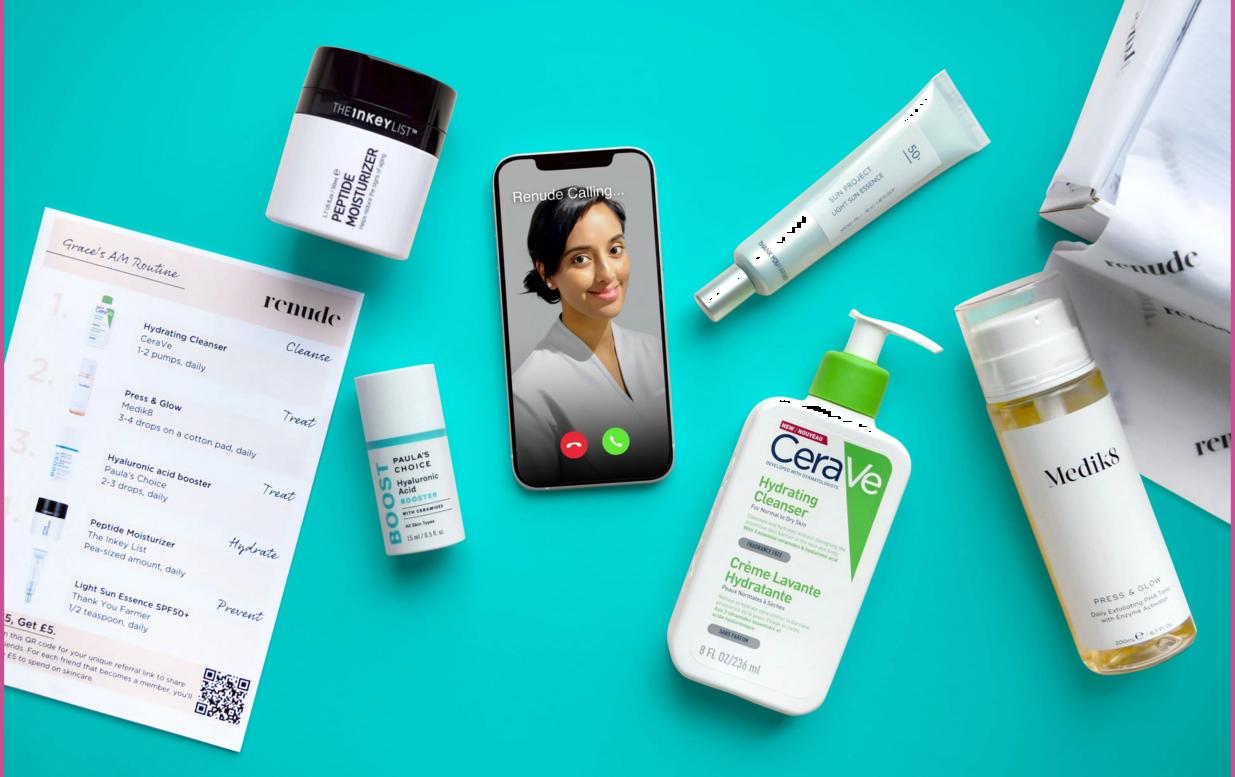
The beauty industry is experiencing a technological revolution that promises to transform how women approach their daily skincare and makeup routines. Artificial intelligence is now entering our bathrooms and vanities, offering unprecedented personalization that was once available only through expensive dermatologist visits. An AI beauty routine leverages sophisticated algorithms to analyze your unique skin characteristics, recommend tailored products, and adjust your regimen as your skin evolves. This intelligent approach to beauty is empowering women to make smarter choices about their skincare investments while achieving more effective results.
⭐ What We’ll Discover
Understanding AI Beauty Technology
The foundation of any AI beauty routine lies in its ability to process vast amounts of data about your skin. Unlike traditional beauty advice that offers one-size-fits-all recommendations, artificial intelligence examines hundreds of variables unique to your complexion.
1
How AI Analyzes Your Skin
Modern AI beauty tools use computer vision technology to assess factors like hydration levels, pigmentation, texture, pore size, wrinkles, and even early signs of sun damage. These systems are trained on thousands of dermatological images, enabling them to identify concerns that might not be visible to the naked eye.[source 1]
The process typically begins with a high-resolution photo of your face, which the AI scans for up to 200 different skin characteristics. Some advanced systems can even factor in environmental data like local pollution levels, humidity, and seasonal changes that might affect your skin.
2
Beyond Surface-Level Analysis
What makes AI beauty routines truly revolutionary is their ability to connect the dots between various factors. For instance, the technology might identify that your occasional breakouts correlate with both hormonal cycles and specific ingredients in your current products—something that would take months of meticulous tracking to discover manually.
This multidimensional approach allows AI to create beauty recommendations that address both immediate concerns and underlying issues, potentially preventing problems before they become visible.
Creating Your Personalized AI Beauty Routine
Implementing an AI-driven beauty regimen begins with selecting the right technology platform that aligns with your beauty goals. The process then unfolds in several key stages that transform generic skincare into a customized experience.[source 2]
1
Initial Assessment and Profile Creation
Your AI beauty journey typically starts with uploading several photos of your face from different angles in natural lighting. Many platforms will also have you complete a detailed questionnaire about your skin history, sensitivities, lifestyle habits, and beauty objectives. This initial assessment creates your unique skin profile, which becomes more refined over time as the AI collects more data. Research indicates that these technological assessments can identify skin issues with up to 95% accuracy compared to in-person dermatologist evaluations.[source 3]
2
Customized Product Recommendations
Based on your profile, AI systems recommend specific products and ingredients that address your unique needs. The true benefit here is compatibility matching—preventing costly mistakes like combining ingredients that counteract each other or cause irritation.[source 4]
“When I switched to an AI-recommended routine, I stopped using products that were actually working against each other,” shares beauty enthusiast Melissa Chen. “I had been using glycolic acid and retinol on the same nights, which my AI beauty app immediately flagged as problematic.”
3
Routine Sequencing and Timing
Beyond product selection, AI beauty technology excels at creating optimal application sequences. These systems can recommend when to use certain products (morning versus evening), how frequently to apply treatments, and even seasonal adjustments to your routine. For example, your AI might suggest increasing hydration during winter months or incorporating more sun protection as summer approaches—all automatically adjusted based on your location and the changing seasons.[source 5]
Popular AI Beauty Tools Worth Trying
The market for AI beauty technology is expanding rapidly, with options ranging from free mobile apps to sophisticated devices. Here are some standout tools that are transforming women’s beauty routines.
1
Smartphone Applications
Apps like Skin Bliss and YouCam Makeup have democratized access to AI beauty technology. These platforms can analyze your skin through selfies, track changes over time, and even let you virtually try products before purchasing. What makes these apps particularly valuable is their ability to scan product barcodes and check ingredient compatibility with your skin profile. Studies show that women using these applications save an average of 40% on unsuitable product purchases, making beauty routines both more effective and economical.[source 6]
2
Smart Mirrors and Devices
For a more comprehensive analysis, smart mirrors equipped with AI technology offer detailed skin assessments in the comfort of your home. Devices like HiMirror and the LUMINI analyze your complexion and track improvements over time with clinical-grade precision.[source 7]
These tools can detect changes in your skin before they become visible, allowing for preemptive treatment of concerns like early fine lines or emerging hyperpigmentation.
3
Brand-Specific AI Platforms
Many luxury beauty brands have developed proprietary AI tools that recommend products within their ecosystems. Vichy’s Skin Consult AI, for example, examines 20 aging signs and prioritizes concerns based on your specific skin characteristics. These brand-specific platforms often integrate seamlessly with product purchasing, making it convenient to follow through on recommendations.
The Science Behind AI Skin Analysis
The technological foundations of AI beauty routines combine several advanced fields including computer vision, machine learning, and dermatological science. Understanding how these elements work together can help women make informed decisions about incorporating AI into their beauty practices.
1
Computer Vision Technology
At the core of AI beauty analysis is computer vision—algorithms trained to “see” and interpret visual information from your skin. These systems can detect subtle color variations, texture differences, and structural features that indicate specific conditions. The technology continues to improve through machine learning, becoming more accurate with each skin analysis it performs. Today’s leading systems can distinguish between similar-looking conditions like rosacea and temporary redness with remarkable precision.
2
Clinical Validation Studies
Research supporting the efficacy of AI beauty routines shows promising results. One clinical study found that participants using AI-recommended skincare routines saw a 52% improvement in mild acne compared to only 31% improvement in the control group following conventional routines.[source 6]
Another significant advantage is the objective tracking of progress. While humans tend to have subjective perceptions of improvement, AI provides quantifiable metrics on factors like reduced redness, improved texture, and decreased pore visibility.
3
Data-Driven Beauty Predictions
Perhaps most impressive is how AI beauty systems can predict future skin conditions based on current patterns. By analyzing thousands of similar skin profiles, these platforms can forecast how your skin might respond to seasonal changes, hormonal fluctuations, or even aging processes. This predictive capability allows women to take preventative measures rather than simply reacting to skin issues after they appear.
Balancing Technology with Human Touch
While AI beauty routines offer remarkable benefits, most experts recommend viewing this technology as a powerful complement to—rather than replacement for—human expertise and intuition.
1
Combining AI Recommendations with Professional Advice
For optimal results, consider using AI beauty technology alongside occasional consultations with dermatologists or estheticians. These professionals can provide context for AI recommendations and address complex skin conditions that might require in-person evaluation. Many dermatologists now incorporate AI analysis into their practice, using the technology to track patient progress between visits and fine-tune treatment protocols based on objective data.
2
Listening to Your Skin’s Response
Despite sophisticated algorithms, your personal experience with products remains invaluable. Pay attention to how your skin responds to AI recommendations, and don’t hesitate to adjust the routine if something doesn’t feel right. “I use my AI beauty app as a starting point, but I’ve learned to trust my skin’s feedback too,” explains beauty blogger Tania Rodriguez. “When a recommended product caused mild irritation despite being ‘perfect’ for my profile, I made adjustments and reported back to the app, which helped refine future recommendations.”
3
The Future Integration of AI and Beauty
As AI beauty technology continues to evolve, we can expect even more seamless integration with our daily lives. Emerging innovations include wearable sensors that continuously monitor skin hydration, environmental triggers that automatically adjust your routine, and even custom-formulated products based on your unique AI profile. These advancements promise to make personalized beauty more accessible and effective for women of all backgrounds and skin types.
Your Questions Answered
Q: Are AI beauty routines worth the investment for everyday women?
A: For most women, the investment pays dividends through more effective product purchases and better results. Studies show AI users typically save 30-40% on unsuitable products while achieving more consistent improvements in their skin concerns.
Q: How accurate are AI skin analyses compared to professional evaluations?
A: Leading AI beauty technologies now achieve 85-95% accuracy when compared to dermatologist assessments for common skin concerns. However, complex conditions like suspicious moles or severe acne should still be evaluated by healthcare professionals.
Q: How often should I update my AI beauty routine?
A: Most experts recommend re-analyzing your skin every 4-6 weeks, or whenever you notice significant changes in your skin condition. Seasonal transitions, hormonal fluctuations, and lifestyle changes are also ideal times to update your AI assessment.
Embrace Your AI Beauty Journey
The intersection of artificial intelligence and beauty care represents a significant shift in how women approach their skin health and appearance. By leveraging data-driven insights, AI beauty routines offer unprecedented personalization that can transform your relationship with your skin. The technology eliminates costly guesswork while providing objective tracking of your progress toward your beauty goals.
As you incorporate AI beauty tools into your daily routine, remember that the ultimate goal is empowerment—using technology as a means to better understand and care for your unique beauty needs. The future of beauty is intelligent, personalized, and accessible in ways that were unimaginable just years ago.
“
“At Chic & Charm, we believe every woman deserves beauty solutions as unique as she is. Artificial intelligence isn’t just changing skincare—it’s democratizing expert-level beauty knowledge, giving women everywhere the power to make informed decisions and celebrate their individual beauty journey with confidence and precision.”