
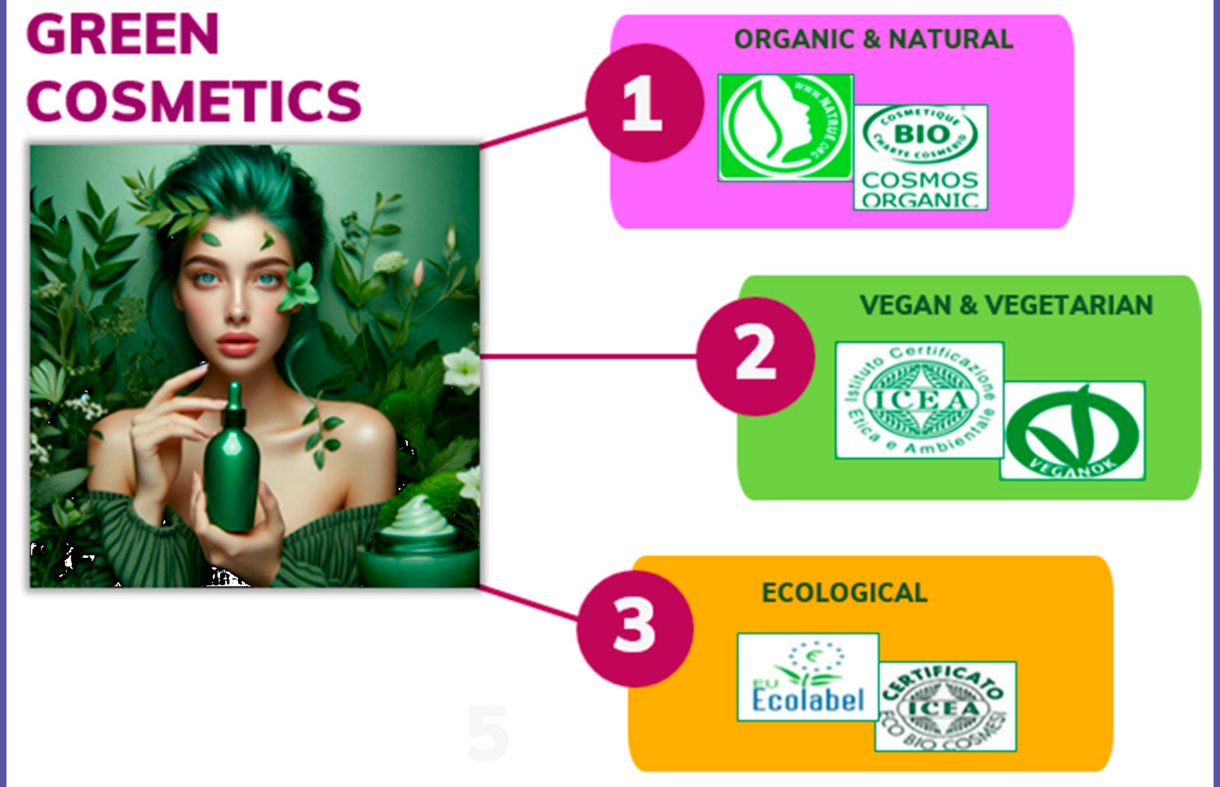
Sustainable beauty products are reshaping how women approach skincare and personal care, offering eco-friendly options that perform as well as conventional products. Throughout this guide we’ll explore eco-friendly skincare for women, how to build a green beauty routine, make conscious beauty choices, and identify ethical beauty brands. Whether you’re just starting your sustainability journey or looking to enhance your existing practices, this guide provides practical steps for making environmentally responsible beauty decisions.[source 1]
⭐ What We’ll Discover
What Sustainable Beauty Products Are and Why They Matter
Sustainable beauty products are designed with the planet and people in mind—focusing on ethical sourcing, reduced waste, and a lower environmental footprint. Unlike conventional beauty items, sustainable alternatives prioritize ingredients that are biodegradable, non-toxic, and often plant-based, while minimizing unnecessary packaging and waste.
1
Core Definition and Benefits
Sustainable beauty encompasses products that:
-
Use responsibly sourced, natural, or organic ingredients -
Come in minimal, recyclable, or biodegradable packaging -
Are produced using energy-efficient manufacturing processes -
Avoid animal testing and harmful chemicals
These products matter because they help reduce pollution, minimize waste in landfills, and support ethical labor practices.[source 2] [source 3]
2
Common Misconceptions
Many consumers believe sustainable beauty products don’t perform as well as conventional ones, but this is largely a myth. Today’s eco-friendly formulations deliver comparable results while being gentler on the environment. Additionally, while some sustainable products may have a higher upfront cost, their concentrated formulas often last longer, providing better value over time.[source 4] [source 3]
Eco-Friendly Skincare Women
When seeking eco-friendly skincare options for women, understanding what makes products truly sustainable is essential. This knowledge empowers you to make choices aligned with both personal values and environmental benefits.[source 1]
1
Ingredient Standards
The best eco-friendly skincare formulations include:
-
Plant-based, minimally processed ingredients -
Biodegradable components that break down naturally -
Non-toxic formulations free of parabens, phthalates, and sulfates -
Water-conserving concentrated formulas
These standards ensure products wash down the drain without harming waterways and marine life.[source 5] [source 1]
2
Packaging to Prioritize
Eco-conscious packaging options include:
-
Glass or aluminum containers (highly recyclable) -
Post-consumer recycled plastics -
Compostable or biodegradable materials -
Refillable systems that reduce waste
Look for brands that minimize excess packaging and use materials that can be easily recycled in most communities.[source 6] [source 3]
Green Beauty Routine
Building a green beauty routine involves making thoughtful choices that minimize environmental impact while effectively caring for your skin. Small, consistent changes can make a significant difference over time.[source 3]
1
Daily Essential Steps
A sustainable daily skincare routine includes:
-
Cleansing with a concentrated, biodegradable cleanser -
Using reusable, washable cloths instead of disposable wipes -
Applying multi-purpose products to reduce overall consumption -
Finishing with mineral-based, reef-safe sunscreen
This simplified approach reduces product waste while providing effective skin care.[source 7] [source 1]
2
Water-Saving Practices
Conserving water is a key component of sustainable beauty:
-
Turn off the tap while applying products -
Consider waterless or solid formulations where possible -
Use dry shampoo to extend time between washes -
Choose products that require minimal rinsing
These small habit changes can save thousands of gallons of water annually.[source 4] [source 8]
Sustainable Fashion Women
Sustainable beauty choices naturally complement an eco-conscious wardrobe, creating a holistic approach to personal style that respects planetary boundaries.[source 9]
1
Creating a Cohesive Sustainable Look
When aligning beauty and fashion choices:
-
Choose natural, plant-based dyes in both clothing and makeup -
Support brands that maintain consistent sustainability values across product lines -
Invest in multipurpose products that reduce overall consumption -
Select timeless options rather than trend-driven items
This integrated approach amplifies your environmental impact while creating a consistent personal aesthetic.[source 10] [source 9]
Conscious Beauty Choices
Making conscious beauty choices requires evaluating products based on their entire lifecycle impact, from ingredient sourcing to end-of-life disposal.[source 1]
1
Lifecycle Assessment Basics
When evaluating product sustainability, consider:
-
Where and how ingredients are sourced -
Manufacturing processes and energy usage -
Transportation distance and methods -
Packaging recyclability and disposal options
This holistic view prevents focusing on one aspect of sustainability while ignoring others.[source 5] [source 11]
2
Supply Chain Transparency
Truly sustainable brands should provide information about:
-
Where their ingredients come from -
Working conditions for farmers and producers -
Third-party certifications verifying claims -
Environmental initiatives beyond product formulation
If a brand can’t or won’t share this information, it may indicate greenwashing rather than genuine sustainability.[source 12] [source 1]
Ethical Beauty Brands
Ethical beauty brands prioritize responsible sourcing, fair labor practices, and transparent production processes alongside environmental considerations.[source 1]
1
Certifications That Matter
Look for trusted third-party verifications such as:
-
Leaping Bunny (cruelty-free) -
Fair Trade Certified (ethical labor) -
B Corporation (overall social and environmental performance) -
USDA Organic or COSMOS Organic (ingredient standards)
These certifications provide external validation of brand claims.[source 5] [source 1]
2
Research Strategies
To identify truly ethical brands:
-
Read sustainability reports on company websites -
Check for specific, measurable commitments rather than vague claims -
Look for transparency about challenges, not just achievements -
Research parent companies, as some sustainable-seeming brands are owned by corporations with questionable practices
This diligence helps ensure your purchases align with your values.[source 13] [source 8]
Your Questions Answered
Q: Are sustainable beauty products more expensive?
A: While some sustainable products have higher upfront costs, they often contain more concentrated formulas that last longer. Additionally, as demand increases and production scales up, prices continue to become more competitive. Consider the cost per use rather than just the purchase price when comparing options.[source 2] [source 3]
Q: Do natural ingredients work as well as synthetic ones?
A: Many natural ingredients have proven efficacy comparable to their synthetic counterparts. Plant extracts like bakuchiol provide retinol-like benefits, while ingredients like niacinamide and vitamin C are effective regardless of whether they’re naturally derived or lab-created. The key is formula quality rather than simply natural versus synthetic status.[source 5] [source 1]
Q: How can I avoid greenwashing when shopping for beauty products?
A: To avoid greenwashing: Look for specific claims backed by third-party certifications; be skeptical of vague terms like “natural” or “eco-friendly” without details; research brand ownership and overall sustainability practices; check for transparent ingredient sourcing information.[source 1]
Simple Steps to Start Your Sustainable Beauty Journey
Making the transition to sustainable beauty doesn’t require overhauling your entire routine overnight. Begin with these practical steps:
Start by replacing one product at a time as you finish your current items; Focus first on products you use daily, like cleanser or moisturizer; Choose products with minimal, recyclable packaging whenever possible; Support brands that offer refill options to minimize waste.
Remember that sustainability is a journey, not a destination. Even small changes, when made consistently, contribute to significant environmental benefits over time. The most sustainable approach is one you can maintain long-term while gradually improving your practices.[source 6] [source 3]
“
“At Chic and Charm, we believe true beauty begins with authenticity and a mindful heart, empowering women to shine confidently from within. Embracing sustainable choices allows you to nurture yourself and the Earth with grace and purpose. Remember, your radiant spirit has the power to inspire positive change, one elegant step at a time.”