
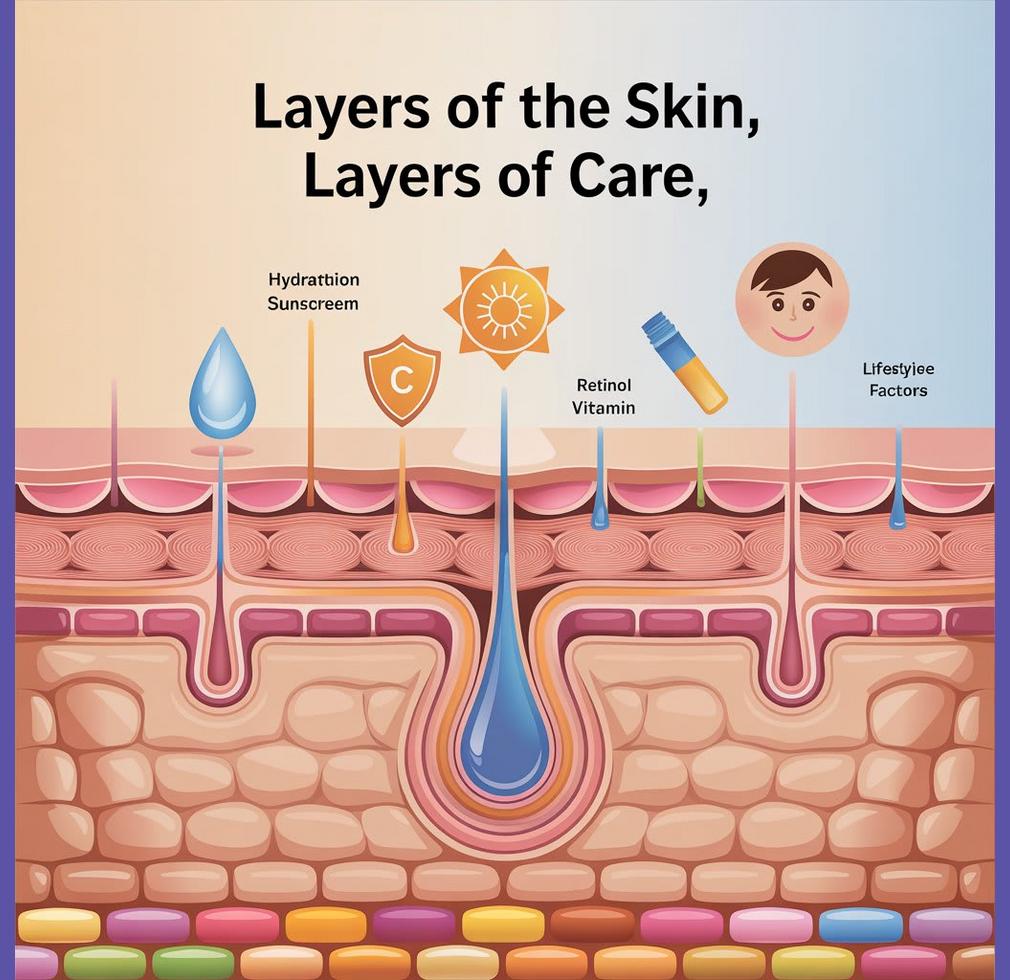
Radiant skin mastery begins with understanding the science behind healthy skin. Achieving that coveted glow isn’t about expensive products or complicated routines—it’s about integrating evidence-based dermatology knowledge, cosmetic chemistry understanding, and safe ingredient interactions. When you master these elements, you create a foundation for consistently luminous skin that reflects true skin health rather than temporary cosmetic effects.[source 1]
⭐ What We’ll Discover
The Foundation of Radiant Skin
The Essential Skincare Routine for Glowing Skin
Dermatology Knowledge: The Scientific Foundation
Cosmetic Chemistry Understanding: Making Ingredients Work
Ingredient Interaction Mastery: Strategic Combinations
pH Balance Optimization: The Overlooked Key
Your Questions Answered
Building Your Sustainable Radiance Strategy
The Foundation of Radiant Skin
1
What Makes Skin Truly Radiant
Radiant skin isn’t just about surface shine—it’s about a healthy barrier function, proper hydration, and balanced cell turnover. When dermatologists talk about radiance, they’re referring to skin that reflects light evenly due to a smooth, intact stratum corneum (your skin’s outermost layer).
This outer barrier serves as both protector and light reflector. When it’s compromised, skin appears dull and uneven. When it’s healthy, it creates that coveted “lit from within” appearance.[source 2] [source 3]
2
The Science of Skin Barrier Function
Your skin barrier consists of dead skin cells bound together by lipids (fats) that form a protective matrix. This structure:
-
Prevents excessive water loss -
Blocks environmental irritants and pollutants -
Creates an even surface that reflects light uniformly
When this barrier is damaged through harsh products, over-exfoliation, or environmental factors, radiance diminishes. Rebuilding and maintaining barrier integrity is therefore the cornerstone of radiant skin mastery.
The Essential Skincare Routine for Glowing Skin
A consistent skincare routine for glowing skin follows a logical sequence that respects your skin’s natural functions while strategically introducing active ingredients.[source 4]
1
Morning Routine Structure
-
Gentle cleanser (pH 5.0-6.0) to remove overnight buildup without stripping -
Antioxidant serum (vitamin C is ideal) to fight free radicals -
Lightweight moisturizer to seal in hydration -
Broad-spectrum SPF 30+ as your non-negotiable final step
The key is using a gentle cleanser that maintains your skin’s slightly acidic pH, followed by antioxidant protection and sun defense.[source 5] [source 6]
2
Evening Routine Essentials
Nighttime is when skin repair happens most actively:
-
Double cleanse if wearing makeup or heavy sunscreen (oil-based cleanser followed by water-based) -
Treatment products (retinoids, exfoliants, or targeted serums) -
Hydrating products (moisturizer and possibly facial oil)
This sequence removes daily buildup, introduces actives when your skin is most receptive, and seals in hydration to support overnight repair processes.[source 7]
Dermatology Knowledge: The Scientific Foundation
1
Skin Structure Basics
Your skin has three primary layers:
-
Epidermis: The outermost protective layer -
Dermis: The middle layer containing collagen, elastin, and blood vessels -
Hypodermis: The deeper fat layer providing insulation and cushioning
The epidermis itself consists of multiple layers, with the stratum corneum (outermost layer) serving as your primary protective barrier. This layer is constantly renewing, with new cells pushing upward as older cells naturally shed.
2
Common Skin Concerns Through a Dermatology Lens
Different skin concerns reflect specific disruptions in normal skin function:
-
Acne: Excess sebum production, follicular blockage, bacterial proliferation, and inflammation -
Hyperpigmentation: Overproduction of melanin in response to inflammation or UV damage -
Dryness: Insufficient natural moisturizing factors or lipids in the stratum corneum -
Premature aging: Collagen breakdown from UV exposure, free radical damage, or glycation
This understanding helps you select products that address the root cause rather than just symptoms.
Cosmetic Chemistry Understanding: Making Ingredients Work
1
Active Ingredients and Their Delivery Systems
Active ingredients require specific conditions to penetrate skin effectively:
-
Proper concentration (2% salicylic acid vs. 0.2% makes a significant difference) -
Appropriate pH (vitamin C works best at pH 3.0-3.5) -
Suitable delivery system (liposomes, emulsions, or solutions)
Without these conditions, even the most promising ingredient becomes ineffective. This explains why the same ingredient can perform differently across various products.
2
Reading Product Labels With Scientific Literacy
Ingredients appear on labels in descending order by concentration. This means that ingredients listed first make up the bulk of the product, active ingredients appearing after preservatives or fragrance are likely present in minimal amounts, and INCI names (International Nomenclature of Cosmetic Ingredients) tell you exactly what you’re getting, while marketing terms can mislead.[source 9]
Learning to read these labels helps you identify products with therapeutic amounts of active ingredients rather than just marketing claims.
Ingredient Interaction Mastery: Strategic Combinations
1
Beneficial Combinations
Some ingredients work synergistically:
-
Vitamin C + Vitamin E + Ferulic Acid: This trio enhances antioxidant protection -
Niacinamide + Retinol: Niacinamide reduces the irritation potential of retinol -
Hyaluronic Acid + Ceramides: One draws water in; the other keeps it there
These combinations enhance each other’s effects without negative interactions.[source 6]
2
Combinations to Avoid
Other ingredients can neutralize each other or cause irritation:
-
Vitamin C (L-ascorbic acid) + Retinoids: Different pH requirements make these less effective when used simultaneously -
Multiple strong acids: Using AHA, BHA, and vitamin C together can overwhelm skin -
Benzoyl peroxide + Retinoids: Benzoyl peroxide can deactivate many retinoid molecules
Spacing these ingredients by using them at different times of day or on alternate days prevents these negative interactions.[source 10]
pH Balance Optimization: The Overlooked Key
1
Your Skin’s Natural Acid Mantle
Your skin maintains a slightly acidic pH (4.5-5.5), known as the “acid mantle.” This acidic environment maintains beneficial bacteria while inhibiting harmful ones, keeps the stratum corneum intact, and supports enzymatic functions for natural exfoliation.[source 11]
-
Maintains beneficial bacteria while inhibiting harmful ones -
Keeps the stratum corneum intact -
Supports enzymatic functions for natural exfoliation
Disrupting this pH with alkaline products (like harsh soaps) compromises barrier function and reduces natural radiance.
2
pH-Dependent Active Ingredients
Many active ingredients require specific pH ranges to work effectively:
-
Vitamin C (as L-ascorbic acid): pH 2.5-3.5 -
AHAs (glycolic, lactic): pH 3.0-4.0 -
BHA (salicylic acid): pH 3.0-4.0 -
Retinoids: pH 5.0-6.0
Using these ingredients at incorrect pH levels reduces their efficacy or increases irritation.
Your Questions Answered
Q: Can I use multiple active ingredients in one routine?
A: While technically possible, it’s usually more effective to separate potent actives. Use vitamin C in your morning routine for antioxidant protection and retinoids at night for cell renewal. If combining actives in one routine, wait 10-15 minutes between applications and monitor for irritation.
Q: How long before I see results from my skincare routine?
A: Cell turnover takes approximately 28 days, so expect initial improvements around the 4-week mark. More significant changes in collagen production and hyperpigmentation require 8-12 weeks of consistent use. Patience and consistency are essential for lasting results.
Q: Is double cleansing necessary if I don’t wear makeup?
A: If you wear sunscreen (which you should daily), double cleansing in the evening helps ensure complete removal. Sunscreen is designed to adhere to skin, and many formulations are water-resistant. A gentle oil or micellar cleanse followed by a water-based cleanser ensures all sunscreen particles are removed without stripping your skin.
Q: How can I tell if my skin barrier is damaged?
A: Signs of a compromised barrier include: persistent redness or sensitivity; stinging sensation when applying previously tolerated products; increased dryness or flaking; unusual oiliness as skin overcompensates; delayed healing of minor blemishes. If you notice these signs, simplify your routine and focus on barrier-supporting ingredients like ceramides, niacinamide, and panthenol.
Building Your Sustainable Radiance Strategy
Radiant skin mastery isn’t about quick fixes—it’s about building knowledge and consistent practices that support your skin’s natural functions. By understanding dermatology principles, respecting ingredient interactions, optimizing pH balance, and following a consistent routine, you create the conditions for your most radiant skin.[source 12]
Remember that even the most perfectly formulated products require consistent application to show results. Commit to your routine for at least 8-12 weeks, adjust as needed based on your skin’s response, and trust the process of supporting your skin’s natural radiance potential.[source 13]
“
“At Chic and Charm, we believe true beauty begins with confidence and authentic self-care, empowering every woman to shine from within. By understanding and nurturing your skin’s natural health, you embrace your unique radiance with grace and resilience. Remember, your glow is a reflection of your self-love and unwavering strength.”