
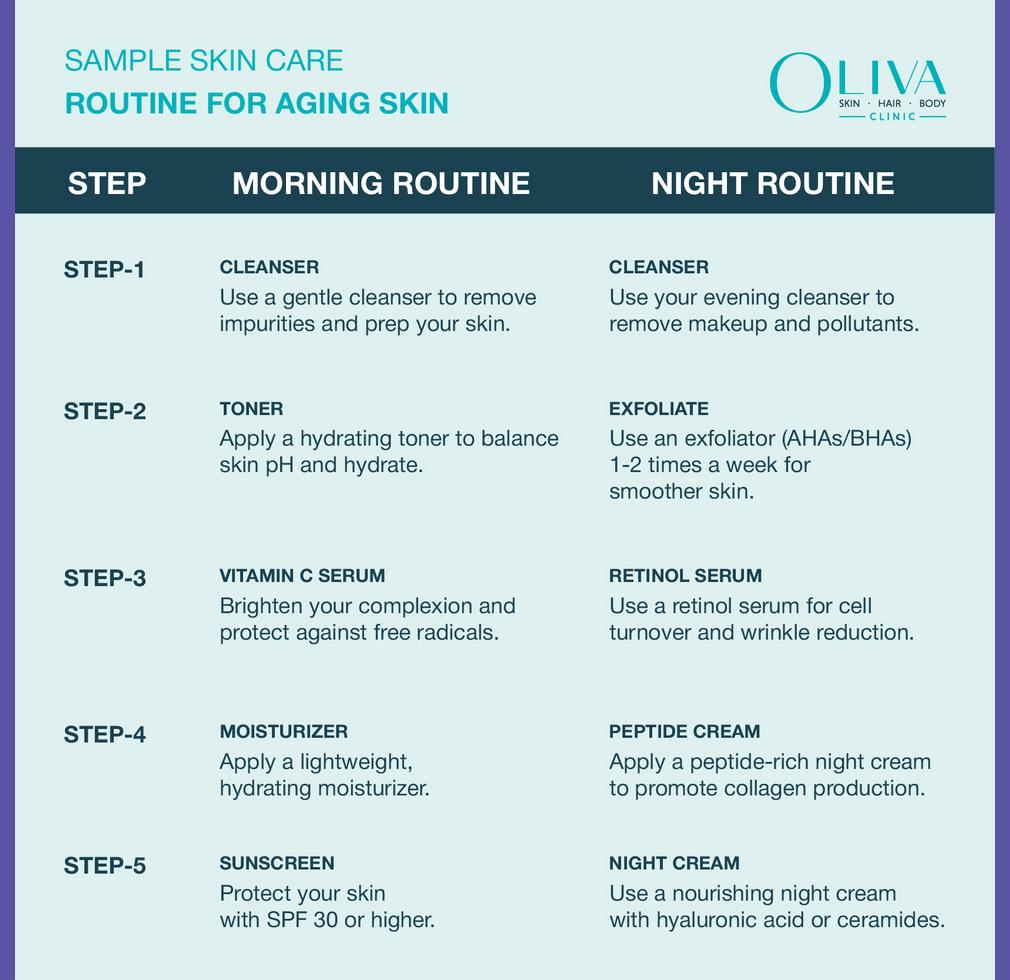
An anti-aging skincare routine is essential for maintaining youthful skin and preventing premature aging signs. Whether you’re in your 20s starting preventative care or addressing existing concerns in your 40s, a consistent, evidence-based approach can significantly reduce wrinkles, boost collagen production, and improve your skin’s overall health and appearance. In this guide, you’ll learn how to build an effective routine and select the best products for lasting results.[source 1]
⭐ What We’ll Discover
What is an Anti-Aging Skincare Routine?
An anti-aging skincare routine is a systematic approach to maintaining skin health through daily cleansing, treatment, hydration, and protection. Unlike basic skincare, it specifically targets the biological processes of skin aging through ingredients that stimulate collagen, accelerate cell turnover, and shield against environmental damage.
-
Protection from further damage (especially UV exposure) -
Repair of existing damage (through cell regeneration) -
Prevention of future aging signs (with antioxidants and hydration)
The power of consistency cannot be overstated—regular use of effective ingredients yields cumulative benefits that surpass occasional treatments.[source 2] [source 3]
Step-by-Step Guide to a Practical Routine
1
Morning Routine Components
Start your day with products that protect and prevent damage:
-
Gentle cleanser (avoid harsh surfactants) -
Antioxidant serum (typically vitamin C-based) -
Hydrating moisturizer with supportive ingredients -
Broad-spectrum SPF 30+ sunscreen (non-negotiable)
Allow 1-2 minutes between layers for proper absorption and efficacy. The anti-aging serum step is particularly crucial as it delivers concentrated active ingredients that penetrate deeper skin layers.[source 4] [source 5]
2
Evening Routine Components
Nighttime is for repair and regeneration:
-
Thorough cleansing (double-cleanse if wearing makeup) -
Treatment serum with retinoids, peptides, or growth factors -
Rich moisturizer with barrier-supporting ingredients -
Optional: targeted treatments for specific concerns
Your evening routine should include your most potent anti-aging ingredients since skin repair mechanisms are most active during sleep. The nighttime anti-aging serum is typically more concentrated and may contain ingredients that increase sun sensitivity.[source 6] [source 7]
Best Anti-Aging Products
1
Evidence-Based Ingredients
When selecting the best anti-aging products, prioritize these scientifically validated ingredients:
-
Retinoids: The gold standard for stimulating collagen and accelerating cell turnover -
Vitamin C: Brightens skin, neutralizes free radicals, and supports collagen production -
Peptides: Signal your skin to produce more structural proteins -
Niacinamide: Improves barrier function and reduces inflammation -
Hyaluronic Acid: Provides deep hydration and plumping effect -
AHAs/BHAs: Chemical exfoliants that improve texture and absorption
2
Product Selection Guidelines
Consider these factors when building your product collection:
-
Skin type compatibility (dry, oily, combination, sensitive) -
Ingredient concentration (higher isn’t always better) -
Formulation stability (especially for vitamin C) -
Product pH (affects ingredient efficacy) -
Absence of irritating fragrance and alcohol
For sensitive skin, introduce new products one at a time with a 1-2 week waiting period to identify potential irritants.[source 9] [source 10]
Wrinkle Prevention
1
Understanding Wrinkle Formation
-
Repeated facial expressions (dynamic wrinkles) -
UV damage (photoaging) -
Collagen and elastin breakdown -
Decreased natural oil production -
Oxidative stress from environmental factors
Your anti-aging skincare routine directly addresses these factors through proper ingredient selection and application techniques.[source 11] [source 12]
2
Preventative Strategies
The most effective wrinkle prevention methods include:
-
Daily sunscreen use (prevents 90%+ of visible skin aging) -
Antioxidant serums (neutralize free radicals) -
Retinoids (increase cell turnover and collagen production) -
Adequate hydration (maintains skin elasticity) -
Avoiding smoking and excess alcohol
These strategies are most effective when started early, but can provide benefits at any age.[source 13] [source 14]
Collagen Boosting
1
Topical Approaches
-
Retinoids (prescription tretinoin or over-the-counter retinol) -
Vitamin C (L-ascorbic acid at 10-20% concentration) -
Peptide complexes (especially signal peptides) -
Growth factors (in advanced formulations)
For best results, combine ingredients that work synergistically—vitamin C in the morning and retinoids at night provides comprehensive collagen support.[source 15] [source 16]
2
Supportive Practices
-
Consume adequate protein and vitamin C -
Protect from UV damage (which rapidly degrades collagen) -
Stay hydrated to maintain optimal skin function -
Consider collagen supplements (though evidence is mixed)
Remember that collagen results take time—consistent use for 8-12 weeks is typically needed before noticeable improvements.[source 17] [source 18]
Youthful Skin Tips
Beyond products, these practices contribute to a more youthful appearance:
-
Maintain consistent sleep patterns (7-9 hours nightly) -
Manage stress through mindfulness or physical activity -
Follow an anti-inflammatory diet rich in antioxidants -
Avoid harsh cleansers that strip natural oils -
Stay hydrated throughout the day
Small daily habits often yield more significant long-term benefits than occasional expensive treatments.[source 19] [source 20]
Your Questions Answered
Q: When is the right age to start an anti-aging routine?
A: Prevention should begin in your 20s with sunscreen, basic antioxidants, and hydration. More targeted treatments like retinoids are typically introduced in the late 20s to early 30s. It’s never too late to start, but earlier intervention yields better long-term results.[source 21] [source 22]
Q: How long before I see results from anti-aging products?
A: Cell turnover takes approximately 28 days, so expect initial improvements in skin texture and brightness at the one-month mark. More significant changes in fine lines and firmness typically appear after 2-3 months of consistent use. Deeper wrinkles may take 6+ months to show improvement.[source 12]
Q: Can diet affect skin aging?
A: Absolutely. An anti-inflammatory diet rich in antioxidants, healthy fats, and lean protein provides building blocks for healthy skin. Foods particularly beneficial include berries, fatty fish, nuts, seeds, green tea, and colorful vegetables. Sugar and processed foods can accelerate aging through glycation, which damages collagen fibers.[source 23] [source 24]
Building Sustainable Habits for Lifelong Results
Creating an effective anti-aging skincare routine isn’t about quick fixes—it’s about establishing sustainable habits that yield cumulative benefits. Start with core essentials (cleanser, moisturizer, sunscreen), then gradually introduce treatment products based on your skin’s tolerance and specific concerns.
Monitor your skin’s response, adjust as needed, and remember that consistency trumps complexity. The most effective routine is one you’ll actually maintain day after day. With patience and the right approach, you’ll not only prevent future damage but potentially reverse existing signs of aging for healthier, more radiant skin at any age.
“
“At Chic and Charm, we believe true beauty begins within, and every woman has the power to shine with confidence and grace. By nurturing yourself with care and consistency, you embrace your unique glow and radiate authentic elegance. Remember, your most beautiful self is the one daring to be truly you.”