
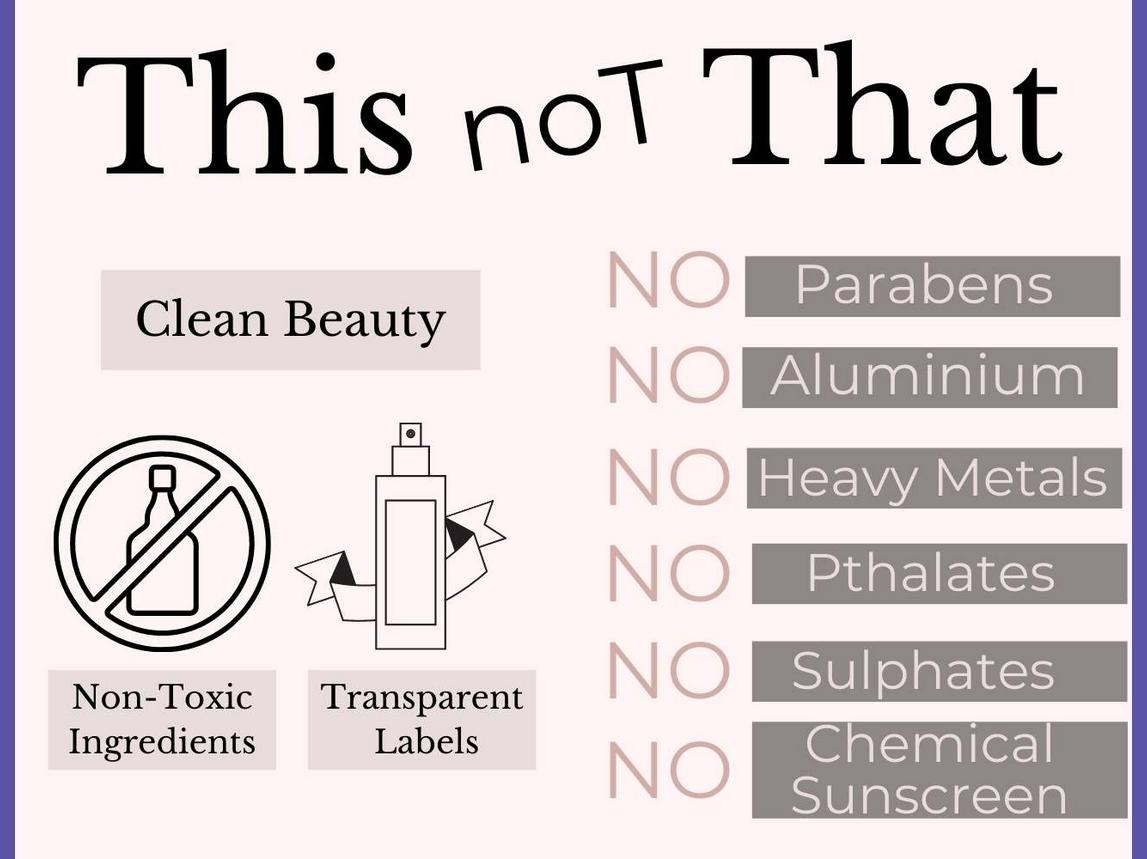
Clean beauty products have become increasingly popular as consumers seek safer, more sustainable alternatives to conventional cosmetics. However, navigating the complex landscape of clean beauty certifications can be challenging without a comprehensive framework. This guide will help you understand what makes products truly “clean” and how to compare different certifications when researching your next purchase.[source 1]
⭐ What We’ll Discover
What Are Clean Beauty Products?
Clean beauty products are formulated without ingredients that various retailers and certification bodies have identified as potentially problematic. Rather than being regulated by a single federal standard, clean beauty operates through retailer-determined ingredient exclusion lists and third-party certifications.[source 2] [source 3]
The fundamental philosophy behind clean beauty is that products should be made with the safest possible ingredients while having minimal environmental impact. However, since the FDA doesn’t provide an official definition, any brand can claim their products are “clean” without verification.[source 4] [source 5]
This is why third-party certifications are valuable—they provide transparent, verifiable standards against which products can be measured. Major retailers and certification bodies each maintain their own standards with remarkably high overlap (95%+) in their “not-allowed” ingredient lists.[source 2] [source 6]
Clean Beauty Moisturizer Evaluation
When researching clean beauty moisturizers, several factors should guide your selection:[source 6]
1
Key Ingredient Considerations
Clean beauty moisturizers typically avoid ingredients like parabens, phthalates, and synthetic fragrances while incorporating effective alternatives. Contrary to common misconceptions, these products can be just as effective as conventional moisturizers since most excluded ingredients aren’t the active components that affect skin appearance.[source 7] [source 2] [source 3]
2
Transparency Factors
Look for full ingredient disclosure in INCI (International Nomenclature of Cosmetic Ingredients) format. Clean beauty brands generally prioritize transparency about their formulations and sourcing practices.[source 8]
3
Formulation Suitability
Consider whether the moisturizer is appropriate for your specific skin type—dry, oily, combination, or sensitive. Clean beauty standards allow for diverse formulations that can address various skin concerns effectively.[source 9]
Certification Deep-Dives
Understanding different certifications helps you make informed comparisons between products.[source 6]
1
EWG Verified Products
The EWG (Environmental Working Group) Verified seal indicates that a product has met rigorous safety and transparency criteria. Products with this certification must disclose all ingredients, avoid chemicals of concern, and commit to ongoing transparency.[source 2] [source 1]
The verification process includes comprehensive ingredient review, and products are rated on a hazard scale in the EWG Skin Deep database.[source 6]
2
USDA Organic Certification
USDA Organic certification requires specific criteria regarding agricultural ingredient sourcing. However, not all cosmetic ingredients can be certified organic—water, minerals, and certain synthetics don’t qualify.[source 2] [source 5]
For moisturizers, look for “made with organic ingredients” labeling and check the percentage of organic content disclosed.[source 8]
3
ECOCERT Natural Standards
ECOCERT certification focuses on environmental and ethical aspects of production, including ingredient sourcing, processing methods, and packaging sustainability.[source 2] [source 5]
Products must meet minimum thresholds for natural ingredients, avoid certain synthetic chemicals, and use sustainable packaging. Regular audits ensure ongoing compliance.[source 5]
4
COSMOS Organic Approval
COSMOS represents a harmonized international standard developed by major certification bodies. It provides two levels:[source 2]
COSMOS Organic: Requires higher percentages of certified organic ingredients
COSMOS Natural: Allows a broader range of natural ingredients with fewer organic requirements[source 6]
This distinction helps consumers understand the level of organic content in products.[source 6]
5
Cradle to Cradle Certified
Cradle to Cradle certification evaluates products across five dimensions:
– Material health (chemical safety)
– Design for reuse/recycling
– Renewable energy use in manufacturing
– Water stewardship
– Social fairness in labor practices[source 2]
Products receive Bronze, Silver, or Gold certification based on their performance across these criteria.[source 5]
Comparison Framework
-
Certification Assessment: Which certifications does the product hold? Are they current and valid? -
Ingredient Quality: Does the formula avoid concerning ingredients while including effective actives? -
Transparency: Is the full INCI list provided with clear explanations of ingredient purposes? -
Packaging: Is it recyclable, refillable, or made from sustainable materials? -
Value: Does the price reflect the certification level and ingredient quality? -
Suitability: Is the formulation designed for your specific skin type and concerns?
Shopping Smart for Clean Beauty
1
Finding Certified Products
Look for clean beauty moisturizers at retailers with dedicated clean beauty sections, including Sephora (Clean at Sephora), Ulta (Conscious Beauty), Credo Beauty, and Target.[source 2] [source 1]
2
Verifying Claims
Always check official certification databases to confirm product claims. Look for batch codes that can be tracked through verification systems, and ensure certifications haven’t expired.[source 6]
3
Avoiding Greenwashing
Be wary of vague claims without specific third-party verification. When brands claim to be “clean” without certification, request detailed ingredient information rather than relying on marketing language.[source 3]
Your Questions Answered
Q: Is “clean beauty” just marketing hype?
A: Not when backed by credible certifications. While the term itself isn’t regulated, products with third-party verification must meet specific, measurable standards.[source 2] [source 6]
Q: Are clean beauty products safer than conventional ones?
A: All FDA-regulated cosmetics must meet safety requirements through substantiation testing. The difference is that clean products voluntarily exclude certain ingredients that some consumers prefer to avoid. Individual sensitivity varies regardless of certification.[source 2] [source 1]
Q: Do multiple certifications mean better products?
A: Not necessarily. While multiple certifications can indicate comprehensive commitment, one strong certification from a reputable body often provides sufficient assurance. Focus on certifications that align with your specific priorities rather than simply counting them.[source 6]
Q: How can I tell if a certification is legitimate?
A: Check the certification’s official website for verification tools, look for batch numbers that can be traced, and ensure the certification is current. Legitimate certifications have transparent standards and verification processes available for public review.[source 6]
Making Informed Decisions
Understanding clean beauty certifications empowers you to look beyond marketing claims and make truly informed choices. By using the comparison framework presented here, you can evaluate moisturizers and other products based on verifiable standards rather than vague promises.[source 5]
Remember that the most effective research approach focuses on your specific priorities—whether ingredient safety, environmental impact, or ethical production—and matches those concerns with relevant certifications and transparent product information.[source 6]
“
“At Chic and Charm, we believe that true beauty begins within and radiates outward when you embrace your authentic self. By making mindful choices rooted in transparency and integrity, you empower your unique story and elevate your confidence. Shine boldly, knowing your beauty is a reflection of your values and the strength of your spirit.”