
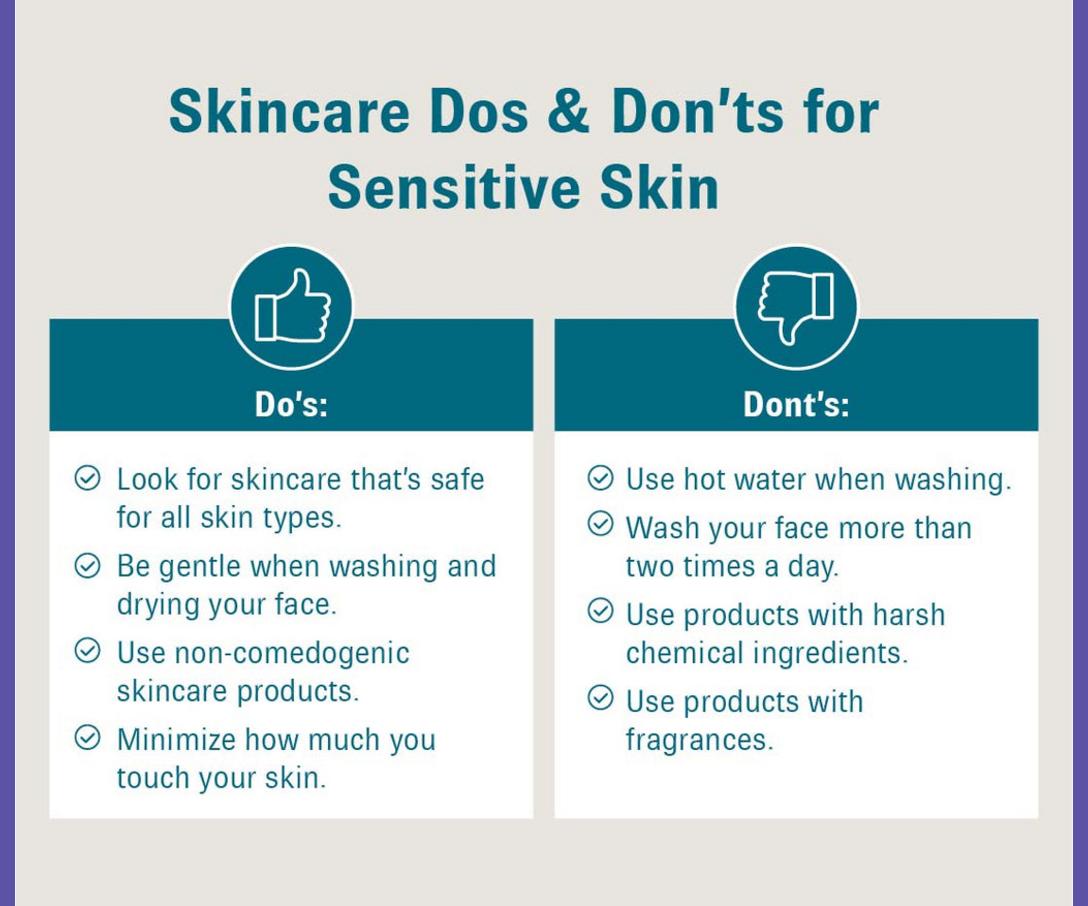
Sensitive skin solutions start with understanding what triggers irritation and choosing products that calm rather than aggravate your skin. Whether you’re dealing with redness, itching, burning, or stinging sensations, creating a gentle skincare routine with clean, non-irritating products can make a significant difference in your skin’s comfort and appearance.[source 1]
⭐ What We’ll Discover
Understanding the Audience and Skin Type
1
What Defines Sensitive Skin?
Sensitive skin reacts negatively to ingredients, environmental factors, or physical stimuli that other skin types tolerate without issue. This reactivity shows up as redness, itching, burning, tightness, or stinging—sometimes immediately after product application and sometimes hours later.[source 2] [source 3]
2
Why Your Skin Reacts
Your skin’s protective barrier, composed of lipids and proteins, normally prevents irritants from penetrating deeper layers. When this barrier is compromised, common ingredients like sulfates, alcohol, and synthetic fragrances trigger inflammation. Some people have a genetic predisposition to sensitivity, while others develop it through repeated exposure to irritants or environmental stress.[source 4] [source 3]
3
Individual Variability in Triggers
Your personal triggers vary significantly based on your unique biology, seasonal changes, lifestyle factors, and overall health. For example:
-
One person may react severely to fragrance while another can’t handle preservatives -
Seasonal shifts (summer sun, winter heating) can intensify sensitivity -
Stress, diet, sleep quality, and hydration all influence reactivity -
Keeping a simple log of products used and reactions helps identify your specific trigger pattern
Clean Skincare for Sensitive Skin
1
What Clean Skincare Means for Sensitivity
Clean skincare for sensitive skin means products formulated with minimal, transparent ingredients free from known irritants and unnecessary additives. Unlike conventional “clean beauty” focused solely on avoiding certain chemicals, clean skincare for sensitive skin prioritizes tolerance and barrier support.[source 4] [source 3]
2
Key Characteristics to Prioritize
The best products for reactive skin share these qualities:
-
Fragrance-free (including fragrance from essential oils) -
Sulfate-free to prevent barrier disruption -
Alcohol-free or using only gentle alcohols -
Paraben-free and dye-free -
Minimally formulated with short ingredient lists -
Transparently labeled with recognizable components
3
Understanding Hypoallergenic Formulation
Hypoallergenic formulation is essential because these products are specifically designed and tested to minimize allergic reactions and irritation. They exclude common allergens, making them safer starting points. However, since “hypoallergenic” isn’t regulated, look for additional indicators like third-party testing or dermatologist recommendations.[source 4] [source 6]
4
The Importance of Non-Comedogenic Products
Non-comedogenic products prevent pore blockage, which is critical because clogged pores trap bacteria and create additional inflammation. Even gentle products can cause breakouts if they’re too occlusive, so choosing non-comedogenic formulations ensures you’re adding hydration without triggering congestion.[source 4] [source 7]
Rosacea Triggers
1
Common Rosacea Triggers to Avoid
Rosacea triggers often include:
-
Temperature extremes (hot beverages, saunas, cold wind) -
Sun exposure (UV radiation directly inflames rosacea-prone skin) -
Spicy foods and alcohol (dilate blood vessels) -
Irritating skincare ingredients (menthol, camphor, fragrance) -
Stress and emotional triggers (cause blood vessel dilation) -
Harsh skincare products (sulfates, alcohols, strong actives) -
Environmental factors (wind, humidity changes, pollution)
2
Practical Minimization Strategies
-
Use lukewarm (never hot) water for cleansing -
Apply moisturizer and sunscreen to create a protective barrier -
Avoid known trigger foods or consume them in moderation -
Use broad-spectrum SPF 30+ daily, even on cloudy days -
Choose rosacea-safe skincare with soothing ingredients like azelaic acid, niacinamide, or centella asiatica -
Limit active treatments; focus on gentle hydration and barrier support -
After exposure to triggers, use a cool compress and calming moisturizer
Eczema Flare Management
1
Core Principles for Eczema Care
Barrier restoration: Use products with ceramides, healthy fats, and lipids that rebuild the protective barrier. Ceramides fill gaps in the barrier, preventing irritants from penetrating deeper.[source 4] [source 7]
Regular moisturization: Apply moisturizers at least twice daily, sometimes more during flares. Choose thick emollients over lightweight lotions.[source 4] [source 7]
Gentle cleansing: Remove triggers without over-stripping skin using sulfate-free, fragrance-free cleansers.[source 2] [source 7]
2
Product Types Suitable for Eczema
-
Cleansers: Fragrance-free, sulfate-free formulas with moisturizing ingredients -
Moisturizers: Thick creams and ointments containing ceramides, hyaluronic acid, or shea butter -
Treatments: Gentle, hydrating masks with glycerin or hyaluronic acid -
Avoid: Fragranced products, dyes, harsh exfoliants, and high-concentration actives
3
Simple Flare-Management Plan
-
Normal skin: Use gentle sulfate-free cleanser and lightweight moisturizer -
Irritated skin: Reduce cleansing to once daily and switch to richer moisturizer -
Active flare: Minimal cleansing (possibly water-only), apply thick ointment or barrier cream, and eliminate all non-essential products
Contact Dermatitis Prevention
1
How Irritants and Allergens Drive Dermatitis
Contact dermatitis develops through two pathways: irritant contact dermatitis occurs when repeated exposure to a harsh substance (soaps, detergents) damages the skin barrier, while allergic contact dermatitis involves your immune system recognizing a substance as a threat and mounting an inflammatory response. Both types result in redness, itching, blistering, or oozing, but their underlying mechanisms differ.[source 3]
2
Prevention Tactics
-
Patch test new products on your inner arm for 24-48 hours before using on your face -
Avoid known irritants once identified in your personal trigger profile -
Cleanse promptly after exposure to potential irritants -
Wear gloves when handling harsh cleaning products -
Limit exposure frequency to mild irritants -
Choose hypoallergenic alternatives whenever possible
3
Personal Irritant Evaluation Checklist
-
List products that have triggered reactions (include ingredient names) -
Note the timing of reactions (immediate vs. delayed) -
Identify common ingredients across problematic products -
Cross-reference against your identified irritants when selecting replacements -
Choose products from brands specializing in sensitive skin -
Patch-test all replacements before full application
Practical Routine Framework
1
Morning Routine
-
Gentle cleansing: Use a non-foaming, sulfate-free cleanser with lukewarm water -
Optional treatment: Apply a fragrance-free antioxidant serum if your skin is calm -
Moisturizer: Choose lightweight to medium-weight based on your skin’s current state -
Sun protection: Apply broad-spectrum SPF 30+ suitable for sensitive skin
2
Evening Routine
-
Makeup removal: If needed, use gentle cleansing oil or micellar water -
Gentle cleansing: Use the same gentle cleanser from your morning routine -
Optional serum: Apply hydrating, antioxidant-rich serum if your skin is stable -
Richer moisturizer: Use a slightly thicker formula than morning to support overnight recovery
3
Adjustments for Irritated Days
-
Simplify to cleanser, moisturizer, sunscreen -
Skip all serums and active ingredients -
Allow longer absorption time between products -
Double-moisturize at night for maximum barrier support -
Use a cool compress before moisturizing to reduce inflammation
Your Questions Answered
Q: What’s the difference between “clean” and “natural” skincare for sensitive skin?
A: “Clean” refers to transparent labeling and absence of certain controversial chemicals—but it doesn’t guarantee gentleness. Many “natural” products contain irritating essential oils or high-concentration plant acids. For sensitive skin, prioritize “hypoallergenic,” “dermatologist-tested,” and “fragrance-free” over “natural” or “clean” alone.[source 4] [source 3]
Q: How long should it take to see improvement with a sensitive skin routine?
A: Skin takes approximately 28 days to complete a cell cycle. You may notice initial improvements (reduced redness, less irritation) within 1-2 weeks, but full results typically appear after 4-6 weeks of consistent use. However, if a product worsens your skin within the first few days, discontinue it immediately.[source 11]
Q: Can I exfoliate if I have sensitive skin?
A: Yes, but gently and sparingly. Avoid physical scrubs and brushes. Instead, use gentle chemical exfoliants like lactic acid (5-10%) or salicylic acid (1-2%). Enzyme exfoliants from papaya or pineapple offer an even milder option. Start once weekly and adjust based on tolerance. Skip exfoliation entirely during active flares.[source 4] [source 12]
Q: Are fragrances always problematic for sensitive skin?
A: Yes, for most sensitive skin types. Even “natural fragrance” from essential oils can irritate because fragrance molecules are volatile and allergenic. Fragrance-free products are the safest choice. Check ingredient lists for “fragrance/parfum” or essential oils, even in products labeled “unscented.”[source 2] [source 3]
Taking Control of Your Sensitive Skin
Managing sensitive skin requires commitment to simplicity, consistency, and mindful product selection. The foundation of effective sensitive skin solutions involves gentle cleansing, barrier-supporting moisturization, and sun protection—with optional additions only when your skin shows stability.[source 4] [source 1]
Start with a minimal routine using hypoallergenic, non-comedogenic products free from common irritants like fragrance, sulfates, and harsh alcohols. Understand your personal triggers by tracking products, environmental factors, and reactions in a simple log.[source 4] [source 5]
Remember that less is often more with sensitive skin. Focus on products that support your barrier, avoid known irritants, and protect against environmental stressors. Introduce new products one at a time with proper patch testing. With patience and systematic selection, you can achieve calm, healthy skin that tolerates your daily routine without reactivity.[source 2] [source 5]
“
“At Chic and Charm, we believe that true beauty begins with honoring your individual journey and nurturing your inner strength. By listening to your skin’s needs and choosing gentle self-care, you empower yourself to shine authentically every day. Remember, your confidence is the most radiant accessory you wear—wear it boldly.”