
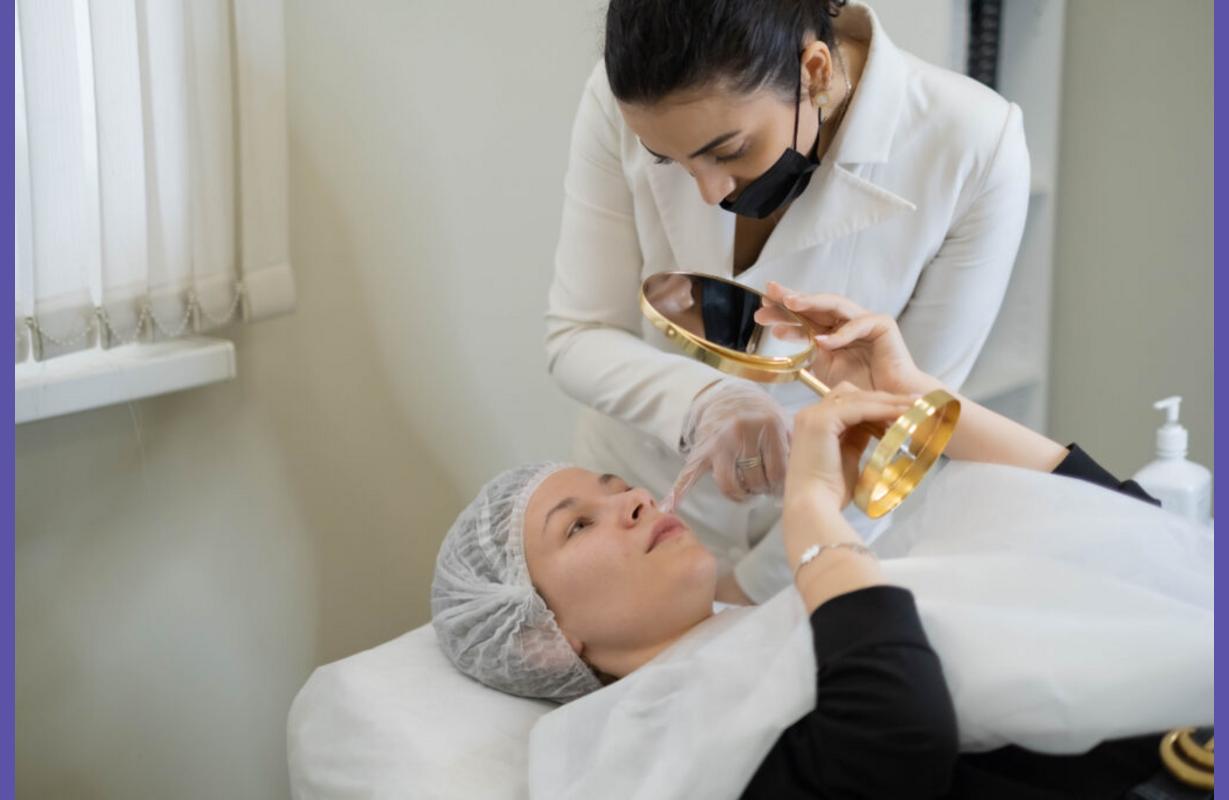
Collagen production is essential for maintaining skin firmness and elasticity as we age. This structural protein forms the foundation of our skin’s supportive network, providing the framework that keeps skin looking youthful and resilient. When collagen production decreases—which naturally happens as early as our twenties—skin begins to lose its firmness and elasticity, leading to fine lines, wrinkles, and sagging. Understanding how to support and optimize collagen production can significantly impact your skin’s appearance and health.[source 1]
⭐ What We’ll Discover
What is Collagen Production?
Collagen is the most abundant protein in the human body, making up approximately 30% of our total protein mass. It provides structure to our skin, bones, tendons, and ligaments. In the skin specifically, collagen creates a supportive mesh-like network in the dermis (middle layer) that maintains firmness and resilience.[source 2]
1
Role of Fibroblasts in Collagen Production
Fibroblasts are specialized cells within the dermis responsible for producing collagen. These cells synthesize procollagen, which is then processed and assembled into collagen fibrils that provide skin with its strength and structure. Healthy fibroblast function is crucial for maintaining optimal collagen production and, consequently, firm skin. As we age, fibroblast activity naturally decreases, leading to reduced collagen synthesis.[source 3]
2
Collagen Types and Skin Structure for Firm Skin
While there are at least 28 different types of collagen in the human body, the skin primarily contains Types I and III. Type I collagen makes up about 80% of skin collagen and provides tensile strength, while Type III offers more flexibility. Together, these collagen types create an interconnected network that supports firm skin. When this network weakens or becomes fragmented, skin loses its firmness and begins to sag.[source 4]
Why Collagen Production Matters for Skin Firmness and Skin Elasticity
The skin’s youthful appearance depends heavily on adequate collagen levels. By age 30, collagen production typically decreases by about 1-2% per year, with an even more dramatic decline during menopause for women.[source 5]
1
Collagen Density and Visible Skin Firmness
Higher collagen density directly correlates with firmer, more youthful-looking skin. When collagen fibers are abundant and properly organized, they create a strong foundation that resists gravity and maintains skin’s structural integrity. As collagen production decreases or existing collagen breaks down faster than it can be replaced, the skin gradually loses its firmness, leading to sagging and wrinkle formation.[source 1]
2
Collagen Networks and Skin Elasticity
While elastin (another protein in skin) is primarily responsible for elasticity, collagen networks provide the foundation that allows elastin to function properly. Think of collagen as the mattress and elastin as the springs—both are needed for proper function. When collagen networks are intact and robust, skin maintains its ability to snap back after being stretched. As collagen diminishes, skin elasticity declines, resulting in skin that takes longer to return to its original position.[source 2]
Collagen Benefits
Supporting collagen production offers numerous benefits beyond just aesthetic improvements:
-
Enhanced skin firmness and reduced sagging -
Improved skin elasticity and resilience -
Better skin hydration, as collagen helps bind water in the skin -
Faster wound healing and reduced scarring -
Strengthened skin barrier function -
More even skin texture and tone
These benefits extend beyond appearance, contributing to overall skin health and function.[source 6]
Factors That Influence Collagen Production
Understanding what affects collagen production helps you make informed choices to protect and enhance your skin’s collagen levels:[source 7]
-
Aging: Natural decline begins in your twenties, accelerating during menopause for women -
UV exposure: Sunlight triggers collagen breakdown through matrix metalloproteinases (MMPs) -
Smoking: Chemicals in cigarettes damage collagen and reduce production -
Diet: Insufficient protein, vitamin C, and antioxidants hamper collagen synthesis -
Hydration: Dehydrated skin shows accelerated collagen degradation -
Sleep: Poor sleep quality reduces growth hormone production needed for collagen synthesis -
Stress: Chronic stress increases cortisol, which breaks down collagen -
Inflammation: Persistent inflammation accelerates collagen degradation
Many of these factors are within your control, offering multiple intervention points to support healthy collagen production.[source 8]
Building a Skin Firming Routine to Support Collagen Production
A targeted skincare routine can significantly influence collagen production and preserve existing collagen.[source 9]
1
Daily Morning Routine
Start your day with steps that protect your collagen reserves:
-
Cleanse with a gentle, non-stripping cleanser -
Apply a vitamin C serum (5-20%) to stimulate collagen synthesis and provide antioxidant protection -
Use a moisturizer containing peptides or growth factors that signal collagen production -
Finish with broad-spectrum SPF 30+ sunscreen to prevent collagen breakdown from UV exposure
2
Evening Routine
Nighttime is when skin repair and regeneration peak, making it ideal for collagen-boosting ingredients:
-
Remove makeup and cleanse thoroughly -
Apply retinoid or retinol products (start with lower concentrations and gradually increase) -
Use moisturizers with collagen-supporting ingredients like peptides, niacinamide, or bakuchiol -
Consider targeted treatments for specific concerns (hyaluronic acid for hydration)
3
Weekly Care
Incorporate these periodic treatments:
-
Gentle exfoliation 1-2 times weekly to remove dead cells and enhance product penetration -
Hydrating masks with ingredients like hyaluronic acid or ceramides -
LED red light therapy sessions, which have shown promise for collagen stimulation
Remember that consistency is key—results require months of diligent application.[source 1]
Your Questions Answered
Q: Do collagen supplements actually work for skin?
A: Several clinical studies show that oral collagen peptides (8-10g daily) can improve skin elasticity, hydration, and collagen density after 8-12 weeks. However, results vary between individuals, and supplements work best as part of a comprehensive approach including topical treatments and lifestyle changes. Quality matters—look for hydrolyzed collagen peptides with clinical backing.[source 10] [source 11]
Q: How long does it take to see results from collagen-boosting skincare?
A: Most collagen-supporting ingredients require 8-12 weeks of consistent use before showing measurable improvement. Hydration benefits may appear sooner (2-4 weeks), while structural changes to firmness and elasticity take longer. Full results typically emerge after 6 months of consistent use, as the collagen renewal cycle is relatively slow.[source 1]
Q: Can diet alone boost collagen production?
A: While no diet can completely reverse collagen loss, consuming these nutrients supports healthy production:
– Protein-rich foods providing essential amino acids
– Vitamin C from citrus, berries, and leafy greens
– Zinc from oysters, beef, and pumpkin seeds
– Copper from shellfish, nuts, and whole grains
– Antioxidants from colorful fruits and vegetables
These nutrients provide the building blocks and cofactors needed for collagen synthesis, but work best alongside topical treatments for maximum benefit.[source 12] [source 13]
Q: Is it ever too late to support collagen production?
A: No, it’s never too late to begin supporting collagen production. While starting earlier provides preventative benefits, research shows that even mature skin responds to collagen-stimulating treatments. The rate and degree of improvement may vary with age, but positive changes in hydration, firmness, and texture are possible at any stage. Consistency becomes even more important with advancing age.[source 14] [source 5]
Supporting Lifelong Skin Health Through Collagen
Supporting collagen production is a lifelong journey rather than a quick fix. By combining targeted skincare ingredients like vitamin C and retinoids with UV protection, proper nutrition, hydration, and quality sleep, you can significantly influence how your skin ages. Remember that visible improvements in skin firmness and elasticity take time—typically 2-3 months—as collagen production and reorganization are gradual processes.
The most effective approach combines prevention (protecting existing collagen) with active stimulation of new collagen through both topical products and internal support. While aging is inevitable, how quickly your skin’s collagen diminishes is largely within your control. By implementing the strategies outlined in this guide, you can maintain firmer, more resilient skin at any age.[source 1]
“
“Supporting your skin’s natural strength is an act of self-love that empowers you to face each day fierce and unapologetic. Chic X Charm celebrates women who honor their inner resilience and radiate confidence at every age. When you nurture your glow from within, you embrace the powerful, authentic woman you truly are.”