
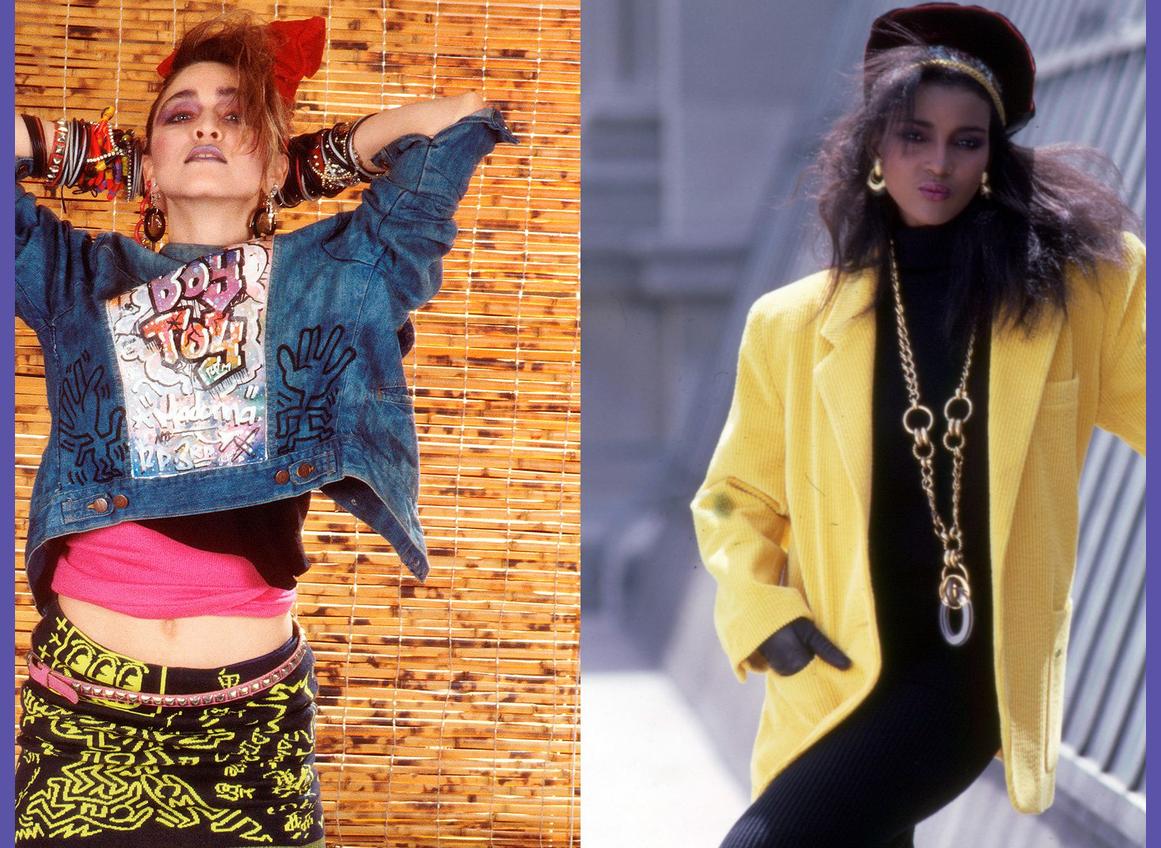
80s fashion remains one of the most influential vintage eras for modern style inspiration. From power shoulders to neon colors, the 1980s created iconic looks that continue to captivate today’s fashion landscape. But the beauty of vintage style lies in how we can draw from multiple decades—from the structured silhouettes of the 1940s to the free-spirited 1970s—to create personalized retro outfits that feel fresh and contemporary.
⭐ What We’ll Discover
Vintage Fashion Through the Decades
1
1940s Fashion: Structured Elegance
The 1940s introduced wartime practicality with a focus on tailored silhouettes and functional design. Today, these elements translate beautifully into modern professional wardrobes.
-
High-waisted trousers paired with tucked-in blouses create that signature 40s silhouette -
Structured blazers with slight shoulder padding offer a subtle nod to the era -
A-line skirts hitting just below the knee work perfectly for office-to-evening transitions -
Red lipstick and victory roll-inspired hairstyles complete the homage
The key to modernizing 1940s fashion lies in fabric choice—opt for breathable, contemporary materials while maintaining those clean lines and tailored fits.
2
1950s Fashion: Feminine Curves
The 1950s celebrated the feminine form with its iconic hourglass silhouettes and pin-up style influences. This era offers some of the most adaptable vintage inspiration for today’s wardrobes.
-
Full circle skirts balanced with fitted tops create instant retro appeal -
Sweetheart necklines and cap sleeves flatter while nodding to pin-up aesthetics -
Cinched waists with wide belts define your silhouette without requiring restrictive undergarments -
Polka dots, gingham, and pastel palettes keep the 50s reference point clear
For a modern twist, try pairing a 50s-inspired dress with chunky boots or sneakers instead of traditional heels.
3
1960s Fashion: Mod Minimalism
The 1960s brought mod fashion to the forefront with geometric patterns, clean lines, and statement-making mini silhouettes. These elements work particularly well in contemporary casual wear.
-
A-line mini dresses layered over slim-fit pants create a practical modern adaptation -
Color blocking with primary colors captures the mod aesthetic without looking costumey -
Geometric prints and patterns add visual interest to simple silhouettes -
Statement accessories like oversized sunglasses instantly elevate basic outfits
Today’s approach to 60s fashion focuses on the clean, graphic elements while adapting hem lengths and fits to suit personal comfort and style.
4
1970s Fashion: Textured Freedom
The 1970s offered a rich tapestry of fashion influences from bohemian to disco. This versatile decade provides endless inspiration for modern layering and texture mixing.[source 1]
-
High-waisted flared jeans paired with fitted tops maintain proportional balance -
Suede, crochet, and fringe details add tactile interest to contemporary outfits -
Earth tones mixed with pops of color reflect the era’s natural-meets-bold palette -
Layered necklaces and statement rings complete the 70s-inspired look
Modern 1970s styling works best when limiting yourself to one or two signature elements rather than recreating the entire decade in a single outfit.
80s Fashion: The Bold Statement Era
1
Power Dressing for Today
The 1980s power look was all about confidence through clothing. Today’s interpretation maintains that boldness while refining the silhouette.[source 2]
-
Blazers with defined shoulders (not exaggerated) over simple tees create instant structure -
High-waisted tailored trousers or pencil skirts complement the strong shoulder line -
Monochromatic color schemes in unexpected hues like cobalt or burgundy maintain impact -
Minimal but intentional accessories keep the look current rather than costumey
The key difference between authentic 80s fashion and today’s interpretation is restraint—choose one statement element rather than combining all bold features at once.[source 3]
2
Casual 80s Elements
The 1980s weren’t all power suits—casual 80s fashion offers equally valuable style inspiration.
-
Oversized denim jackets with contemporary slim-fit jeans balance proportions -
One neon accessory (like a belt or handbag) against neutrals creates modern contrast -
Graphic tees under blazers blend vintage casual with structured elements -
High-top sneakers or ankle boots ground the look in current footwear trends
Remember that 80s casual wear works best when paired with modern-cut basics to avoid looking like you’re wearing a costume.[source 4]
Cross-Era Styling: Creating Your Vintage-Inspired Look
1
Building a Cohesive Wardrobe
Creating a vintage-inspired wardrobe doesn’t mean dressing entirely from one era. The most sophisticated looks often blend elements from multiple decades.
-
Choose a primary era that resonates with your personal style and body type -
Select 2-3 signature pieces from this era as wardrobe anchors -
Complement with modern basics that allow your vintage pieces to shine -
Incorporate subtle references to other eras through accessories and styling
This approach creates a look that’s uniquely yours while maintaining historical references.
2
Practical Sourcing Tips
Finding quality vintage-inspired pieces doesn’t require an unlimited budget.
-
Thrift stores in upscale neighborhoods often yield high-quality retro finds -
Vintage reproduction brands offer era-specific designs in modern sizes -
Fast fashion retailers frequently produce trend pieces inspired by past decades -
Online marketplaces connect you with genuine vintage sellers worldwide
Always inspect vintage items carefully for damage and prioritize quality construction over perfect period accuracy.
Your Questions Answered
Q: What vintage era works best for professional settings?
A: The 1940s and 1980s offer the most workplace-appropriate vintage inspiration, with their emphasis on tailored silhouettes and structured shapes. For conservative offices, adapt 40s-style high-waisted trousers and modest blouses; for creative environments, incorporate power dressing elements from the 80s with more contemporary proportions. The key is maintaining professional polish while nodding to vintage influences.[source 5] [source 6]
Q: How can I incorporate vintage style without looking costumey?
A: The secret lies in balance—mix one or two vintage-inspired pieces with contemporary basics. For example, pair a 1950s-style circle skirt with a modern fitted tee and ankle boots rather than the full pin-up look. Also, consider modern fabrics and cuts that reference vintage silhouettes without directly replicating them, and limit era-specific accessories to one statement piece per outfit.[source 7] [source 8]
Q: Which vintage elements are most flattering for curvy figures?
A: 1950s fashion often works beautifully for curvy figures with its emphasis on defined waists and full skirts. 1970s styles with their flowing fabrics and wrap dresses also complement curves nicely. From the 1980s, consider adapting the strong-shouldered look to create balanced proportions. The key is choosing elements that highlight your favorite features while providing comfortable fit and movement.[source 9]
Q: How do I build a vintage-inspired capsule wardrobe?
A: Start with these versatile foundation pieces:
– A high-waisted A-line or pencil skirt (1940s/1950s)
– A structured blazer with slight shoulder definition (1980s)
– A button-front blouse with interesting collar detail (1970s)
– Well-fitted high-waisted jeans or trousers (1970s)
– A fit-and-flare dress with adjustable waist definition (1950s)
Add contemporary basics and accessories that complement these anchor pieces for endless combinations.[source 10]
Making Vintage Your Own
The most successful vintage-inspired style doesn’t rigidly adhere to period accuracy—it reinterprets elements that resonate with your personal aesthetic. Whether you’re drawn to the structure of 1940s fashion, the femininity of 1950s pin-up style, the graphic impact of 1960s mod fashion, the freedom of 1970s bohemian looks, or the bold statements of 80s fashion, the key is adaptation rather than replication.[source 11]
By thoughtfully selecting which elements to incorporate and how to modernize them, you create a look that honors the past while remaining firmly rooted in the present—making vintage fashion a timeless expression of personal style rather than a costume from another era.
“
“Bold, vintage-inspired style is about claiming your space and radiating confidence from within. Every piece you wear becomes a statement of your authentic self—powerful, unapologetic, uniquely yours. Chic X Charm believes that when you embrace your true style, you unlock your unstoppable spirit.”