
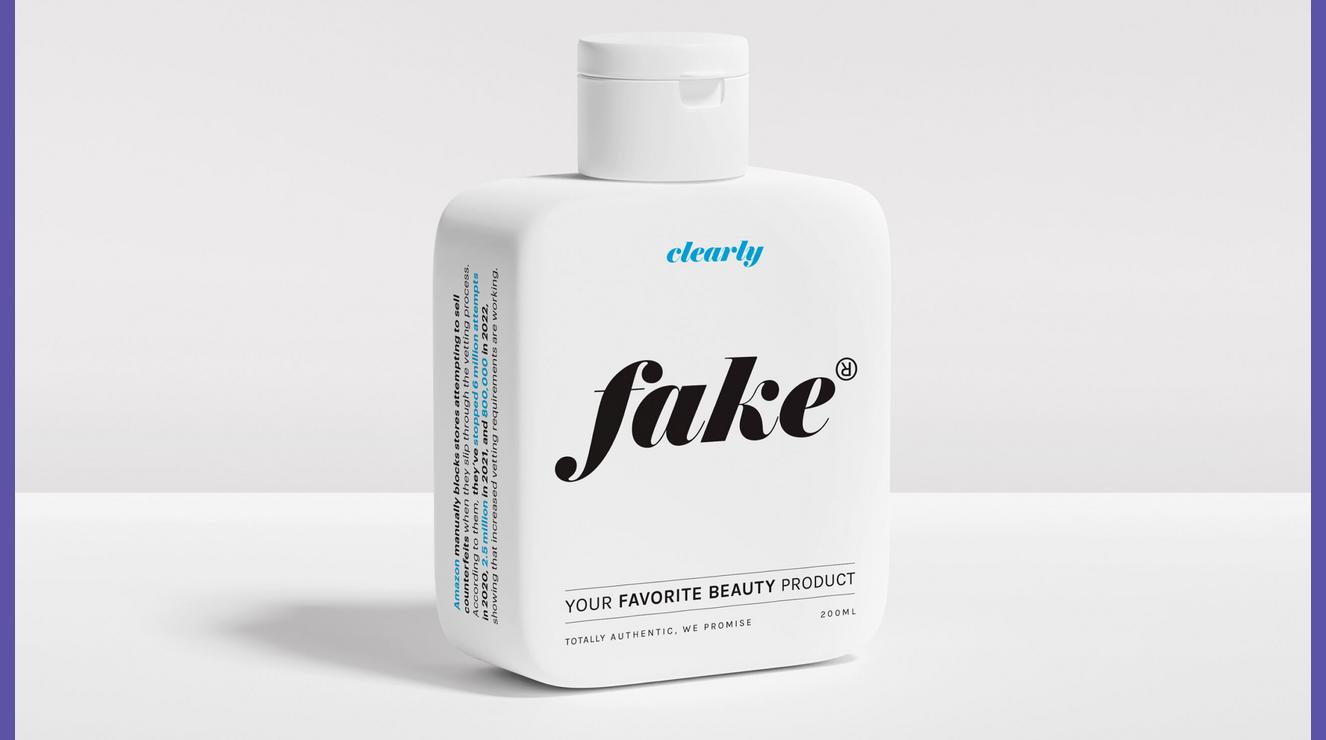
Beauty supply stores offer a treasure trove of professional-grade products and tools that were once exclusive to salons and industry professionals. Today’s beauty enthusiasts can access salon-quality hair care, skincare, makeup, and tools through various retail channels—both physical and digital. Understanding what constitutes a true beauty supply source and how to navigate the options ensures you’ll get authentic products without overpaying.
⭐ What We’ll Discover
Understanding Beauty Supply in Today’s Market
1
What Defines a Beauty Supply Store
A beauty supply store is more than just a shop selling cosmetics—it’s a specialized retail environment offering professional-grade beauty products, tools, and accessories for both professionals and everyday consumers. These stores typically carry a wider selection of professional brands than department stores or drugstores, often at competitive prices. Beauty supply retailers bridge the gap between consumer-grade products and professional salon offerings, making high-performance beauty items more accessible.[source 1]
2
Online vs. Brick-and-Mortar Options
Physical beauty supply stores offer immediate gratification and the ability to test products before purchasing, which is particularly valuable for foundation matching or hair color selection. Staff members at dedicated beauty stores often have specialized knowledge about product ingredients and application techniques. Online beauty supply retailers, on the other hand, excel in price comparison, wider selection, and the convenience of doorstep delivery. Many consumers use a hybrid approach—testing products in-store then purchasing online for savings, or researching online before visiting stores.[source 2] [source 3]
Where to Find Quality Beauty Products
1
Specialized Beauty Supply Stores
Professional beauty supply stores like Sally Beauty, CosmoProf, and State Beauty Supply focus primarily on hair, nail, and skincare products. These retailers often require cosmetology licenses for purchasing certain professional-grade items, though many have expanded to serve non-professionals as well. Benefits include staff with product knowledge, frequent buyer programs, and authentic professional brands often unavailable elsewhere.[source 4]
2
Beauty Retailers and Department Stores
Beauty retailers like Ulta and Sephora combine prestige brands with mass-market options, offering loyalty programs, samples, and beauty services. Department store beauty counters focus on premium cosmetics and skincare with personalized consultations and demonstrations. While prices might be higher than specialized beauty supply stores, these retailers often provide stronger guarantees against counterfeit products.[source 5] [source 6]
3
Online Marketplaces and Direct-to-Consumer Brands
Online beauty supply options have exploded, from Amazon’s beauty section to specialty sites like Dermstore and Beautylish. Direct-to-consumer brands eliminate middlemen to offer professional-quality products at lower prices. When shopping online, verify seller authenticity through authorized retailer lists on brand websites to avoid counterfeit products.[source 7]
Navigating Product Quality and Value
1
Identifying Professional-Grade Products
Professional beauty products typically contain higher concentrations of active ingredients, feature professional-only packaging (often larger sizes), and may require specialized knowledge for optimal use. Look for products that clearly state they’re formulated for professional use, but beware of misleading claims—not everything labeled “professional” meets salon standards.[source 8]
2
Price vs. Value Considerations
While professional products typically cost more than drugstore alternatives, the price difference often reflects concentrated formulations requiring less product per use. True salon-quality items may offer better long-term value despite higher upfront costs. Consider cost-per-use rather than sticker price—a $25 shampoo lasting three months may be more economical than an $8 bottle lasting three weeks.[source 9] [source 10]
3
Wholesale Options for Regular Users
Beauty supply wholesale channels make sense for those using large quantities of products regularly, like families, roommates, or micro-business owners. Legitimate wholesale requires minimum purchases (often $100+) and sometimes membership or business credentials. Beware of “wholesale” prices on marketplace sites without proper verification—these often feature counterfeit or expired products.[source 11]
Smart Shopping Strategies
1
Researching Before Purchasing
Before committing to any beauty product, research ingredients, read reviews from similar skin/hair types, and verify product authenticity. For tools and electrical items, check warranty details and return policies—quality brushes and styling tools should include manufacturer guarantees. Create a comparison chart of 2-3 options before making higher-priced purchases.[source 12] [source 13]
2
Maximizing Value and Deals
Strategic beauty shopping includes timing purchases around seasonal sales, using retailer loyalty programs, and purchasing starter kits to test products economically. Sign up for brand newsletters to receive first-purchase discounts and sale notifications. Most beauty retailers offer major sales 3-4 times yearly, with January and July typically offering the deepest discounts.[source 14]
Your Questions Answered
Q: What’s the difference between salon brands at beauty supply stores versus drugstore options?
A: Professional beauty products typically contain higher concentrations of active ingredients, more specialized delivery systems, and fewer fillers than mass-market alternatives. The formulations often require less product per application and deliver more consistent results. This concentration of actives typically explains the price difference, not just marketing or packaging.[source 15]
Q: How can I tell if a beauty supply store sells authentic products?
A: Look for authorized retailer badges on their website or store signage, check that products have proper labeling (including batch codes that match the manufacturer’s system), and verify sealed packaging. Authorized retailers will be listed on brand websites, and legitimate beauty supply stores provide clear return policies and product guarantees. Dramatically discounted luxury brands without explanation often indicate counterfeit merchandise.[source 16]
Q: When is it worth buying beauty tools from professional beauty supply sources?
A: Invest in professional-grade tools for items you use daily or that significantly impact results, such as:
– High-quality hair dryers with multiple heat settings and ionic technology
– Ceramic or tourmaline styling tools that distribute heat evenly
– Professional-grade scissors for at-home haircut maintenance
– Makeup brushes with proper density and shape for specific applications
– Skincare tools like facial cleansing devices with replaceable parts
Professional beauty tools typically last years longer than budget alternatives when properly maintained.[source 17] [source 18]
Making Smart Beauty Supply Decisions
Finding quality beauty products doesn’t require overspending or professional credentials—just informed shopping practices. Balance your beauty supply purchases between specialized stores for technical items, beauty retailers for testing and discovery, and online channels for replenishment and deals. Remember that product concentration and formulation quality often justify higher prices at professional beauty supply outlets, but research remains essential to distinguish marketing claims from genuine value. With strategic shopping and authenticity verification, you can build a professional-quality beauty collection that performs consistently without unnecessary splurging.
“
“Every woman deserves to feel radiant and powerful in her own skin—embracing authenticity is the ultimate form of beauty. Chic and Charm believes that investing in yourself with genuine, professional-quality products ignites your confidence from within. Celebrate your unique journey—because your true elegance begins with honoring who you are.”