
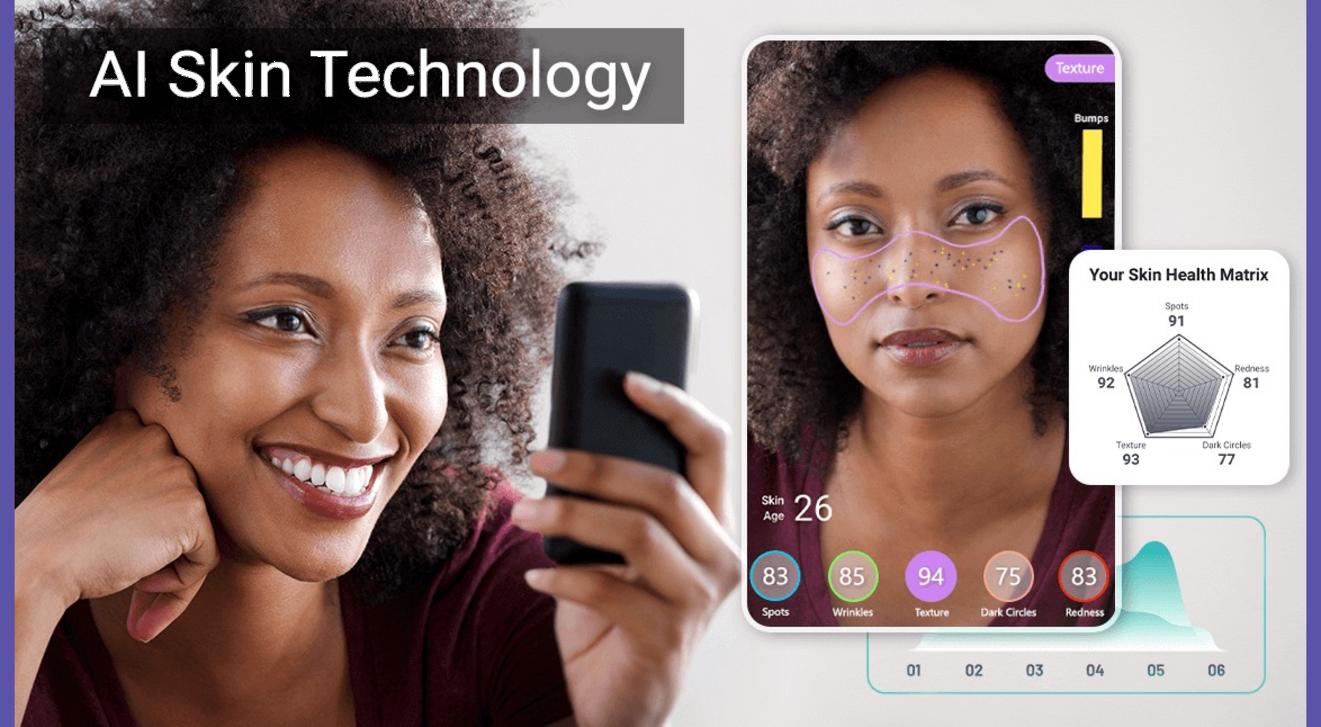
AI beauty recommendations are transforming the skincare industry by offering personalized solutions that respond to your unique skin needs. Unlike traditional one-size-fits-all approaches, these intelligent systems analyze your specific skin characteristics, environmental factors, and lifestyle habits to create custom routines that evolve with you. The technology combines sophisticated data analysis with cutting-edge formulation science to deliver targeted results.[source 1]
⭐ What We’ll Discover
What Are AI Beauty Recommendations?
1
The Definition and Technology
AI beauty recommendations are personalized skincare tips and product suggestions driven by algorithms that process individual skin data, lifestyle factors, and environmental inputs. These systems analyze multiple data points—from hydration levels to sebum production—to create truly customized skincare advice.[source 2] [source 1]
Unlike generic beauty advice found in magazines or social media, AI recommendations respond to your actual skin needs rather than assumed concerns based on age or skin type. The technology creates a continuous feedback loop that improves suggestions over time.[source 3]
2
How the Systems Generate Recommendations
The recommendation process typically involves:
-
Initial data collection through images, questionnaires, or sensor readings -
Analysis of multiple skin metrics (texture, tone, barrier health) -
Environmental factor assessment (pollution, humidity, UV exposure) -
Product matching based on ingredient efficacy for your specific concerns -
Routine adjustments based on ongoing results and feedback
Machine learning algorithms continuously refine these recommendations as they gather more data about how your skin responds to different ingredients and environmental changes.[source 4] [source 1]
Beauty Skin Analysis
1
The Assessment Process
Beauty skin analysis serves as the foundation for AI recommendations, using sophisticated imaging and sensor technology to evaluate skin conditions objectively. Modern analysis tools can assess:
-
Hydration levels across different facial zones -
Sebum production and oiliness patterns -
Pigmentation irregularities and sun damage -
Texture issues including pore size and fine lines -
Sensitivity markers like redness or inflammation
These measurements create a comprehensive baseline that’s far more accurate than self-assessment.[source 5] [source 6]
2
Technologies Behind Skin Analysis
AI-powered skin scanners use various technologies including:
-
Multi-spectral imaging that sees below the skin surface -
UV photography to reveal sun damage not yet visible -
Moisture meters that measure hydration precisely -
Sebum analysis tools that quantify oil production
The data collected provides actionable metrics that drive personalized product selection and application methods.[source 7] [source 8]
Personalized Skincare Routine
1
Customizing Product Selection
Based on beauty skin analysis results, AI systems recommend specific product types, active ingredients, and formulations matched to your needs. For example:
-
For dehydrated skin with barrier damage, recommendations might include ceramide-rich moisturizers and gentle cleansers -
For hyperpigmentation with oily tendencies, suggestions might focus on niacinamide serums and oil-free sunscreens -
For sensitivity with rosacea tendencies, recommendations might feature calming ingredients and physical sunblocks
The system selects products based on ingredient compatibility with your skin profile rather than marketing claims.[source 9] [source 6]
2
Adapting to Changing Needs
AI-driven routines aren’t static—they evolve with your skin. The system might suggest:
-
Seasonal adjustments as humidity and temperature change -
Hormonal cycle modifications to address predictable flare-ups -
Product rotation to prevent tolerance development -
Intensity adjustments based on improvement or regression
This dynamic approach ensures your routine remains effective despite internal and external changes affecting your skin.[source 3] [source 10]
Machine Learning Beauty Algorithms
1
How Algorithms Interpret Skin Data
The intelligence behind AI beauty recommendations comes from sophisticated machine learning models that:
-
Identify patterns between skin characteristics and successful ingredients -
Predict how specific formulations will perform on different skin types -
Compare your results to thousands of similar profiles -
Recognize early changes in skin condition before visible problems appear
These algorithms become increasingly accurate over time, learning from both successes and failures across large user populations.[source 11] [source 1]
2
Feedback Loops and Improvement
The true power of machine learning in skincare comes from continuous improvement through:
-
User feedback on product efficacy -
Follow-up skin analyses showing objective changes -
Environmental data correlation with skin condition -
Long-term pattern recognition across seasons and years
This feedback loop creates increasingly precise recommendations tailored specifically to your skin’s responses.[source 12] [source 13]
Customized Beauty Tech
1
Tools and Devices Enabling Personalization
The practical application of AI beauty recommendations often involves specialized technology:
-
Smartphone apps with augmented reality skin scanning -
Smart mirrors that analyze skin during normal morning routines -
Handheld devices that measure hydration and barrier function -
Wearable sensors that track environmental exposure
These tools make sophisticated skin analysis accessible without requiring dermatologist visits.[source 14] [source 15]
2
Data Security Considerations
With personal health data collection comes important security considerations:
-
Encryption of biometric and personal information -
Transparent data usage policies -
User control over information sharing -
Option to delete historical data
Reputable platforms prioritize these security features to protect sensitive skin and health information.[source 4]
Your Questions Answered
Q: Is AI better than consulting a dermatologist?
A: AI beauty recommendations complement rather than replace dermatologist care. While AI excels at analyzing patterns and suggesting everyday products, dermatologists provide irreplaceable medical expertise for skin diseases, prescription treatments, and complex conditions. The most effective approach often combines both—using AI for daily maintenance while consulting professionals for medical concerns.[source 4]
Q: How accurate are skin analysis apps compared to professional tools?
A: Consumer-grade skin analysis has improved dramatically but still has limitations compared to clinical equipment. Quality apps and devices now achieve 80-90% accuracy for basic metrics like hydration and pigmentation, but may be less reliable for complex conditions or deeper skin issues. Professional clinical tools remain superior for diagnostic purposes, while consumer technology works well for tracking general skin health and product efficacy.[source 5]
Q: What privacy concerns should I consider with beauty tech?
A: Before using AI beauty platforms, consider: what data is collected (images, health information, location); how long data is stored and whether it’s anonymized; whether your information is sold to third parties; and if you can opt out of data sharing while using the service. Always read privacy policies carefully and choose platforms that prioritize data security and transparency.[source 12]
The Future of Personalized Beauty
AI beauty recommendations represent just the beginning of truly personalized skincare. As technology advances, we’re likely to see even more sophisticated approaches, including custom-formulated products created on demand for your specific needs, real-time adjustments based on environmental sensors, and integration with overall health data for holistic skin wellness.[source 1]
The most promising developments combine technological innovation with human expertise—using AI to handle the complex data analysis while dermatologists and skincare professionals provide the contextual wisdom and hands-on care that algorithms cannot. This balanced approach offers the best of both worlds: data-driven precision with human-centered care.[source 8]
“
“At Chic and Charm, we believe that true beauty begins with confidence and authenticity, empowering every woman to embrace her individuality. As innovative technologies like AI personalizes skincare, remember that your inner grace and self-love are your most powerful tools. Shine confidently, knowing you are uniquely stunning—inside and out.”