
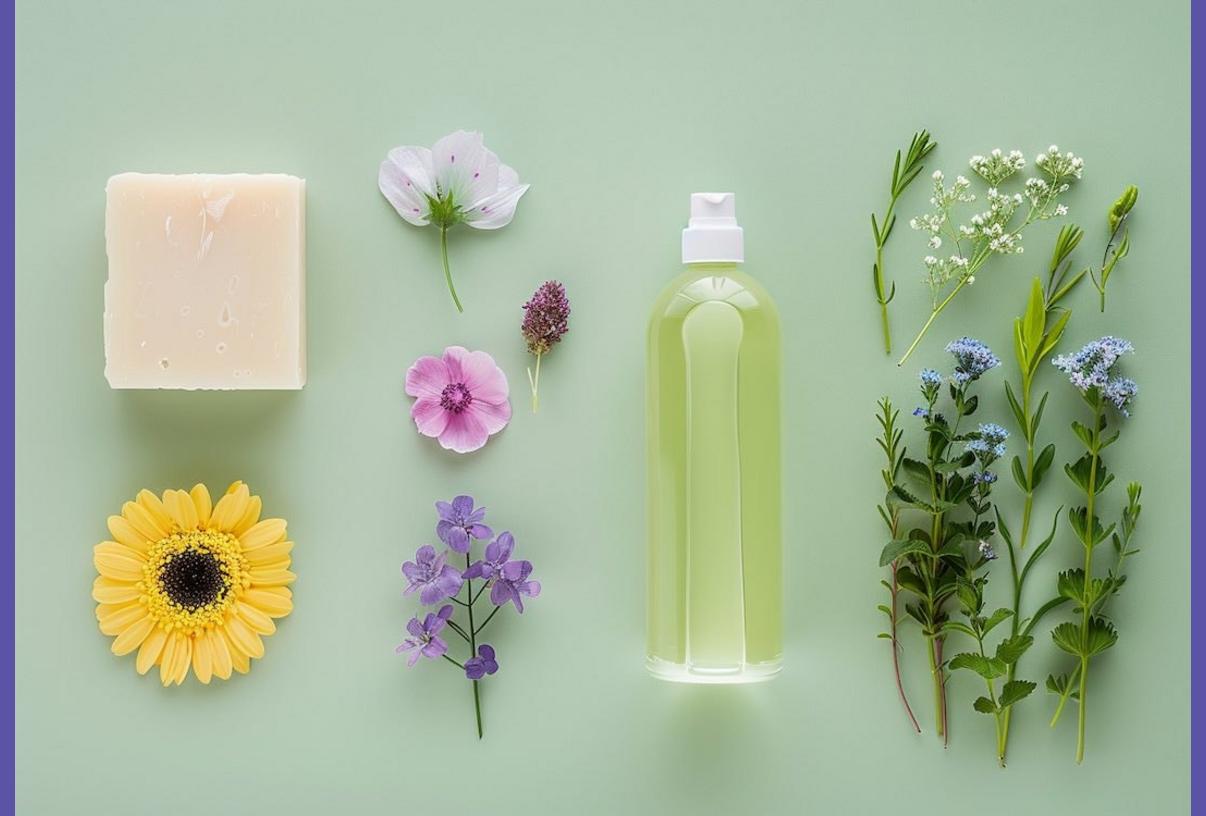
Clean beauty products have become increasingly popular as consumers seek safer, more transparent skincare options. If you’re actively researching clean beauty moisturizers, understanding certifications is crucial for making informed decisions about which products truly meet high standards for safety and sustainability, rather than simply making unverified marketing claims.[source 1]
⭐ What We’ll Discover
What “Clean Beauty Products” Means in Practice
1
Defining Clean Beauty
Clean beauty is not a regulated standard but rather a broad marketing concept that varies significantly between brands. Generally, it refers to products formulated without ingredients considered potentially harmful or controversial. Unlike regulated terms such as “organic,” the definition of “clean” relies heavily on individual brand interpretation.[source 2] [source 3]
2
The Role of Certifications
Certifications provide external validation that a clean beauty product meets specific, measurable standards. Labels like EWG Verified, USDA Organic, ECOCERT, and COSMOS signal that an independent body has reviewed the product’s formulation, ingredients, and manufacturing processes.[source 4] [source 5]
3
Why Focus on Moisturizers
Clean beauty moisturizers make an excellent category for comparison because they typically contain complex ingredient lists where clean beauty claims are frequently made. By understanding certifications for moisturizers, you can apply the same evaluation framework to other skincare products.[source 6]
Certification Deep Dives
1
EWG Verified Products
The Environmental Working Group’s verification ensures products:
-
Exclude ingredients on their “Unacceptable” list -
Provide full ingredient transparency, including fragrance components -
Follow good manufacturing practices
EWG Verified clean beauty moisturizers have passed rigorous scrutiny for ingredient safety, but this certification doesn’t address organic status or sustainability practices.[source 7] [source 5]
2
USDA Organic Certification
For skincare products, USDA Organic certification requires at least 95% organically grown and processed ingredients, adherence to organic agriculture standards (no synthetic pesticides, GMOs), and third-party auditing of farming and processing methods. While comprehensive for ingredient sourcing, this certification allows 5% non-organic content, which might include preservatives or additives.[source 4] [source 8]
3
ECOCERT Natural Standards
ECOCERT certification focuses on eco-conscious production processes, avoidance of petroleum-derived chemicals, non-GMO ingredients, and recyclable packaging. This broader standard evaluates environmental responsibility across the entire product lifecycle, making it valuable when assessing clean beauty moisturizers for sustainability.[source 4] [source 9]
4
COSMOS Organic Approval
COSMOS offers two certification types: COSMOS CERTIFIED for products with organic ingredients and COSMOS APPROVED for natural materials that are sustainably sourced. COSMOS certification provides internationally recognized assurance that ingredients are both natural and responsibly sourced. A COSMOS Certified moisturizer typically contains minimal synthetic additives and emphasizes plant-based formulations.[source 4] [source 8]
5
Other Notable Certifications
-
Leaping Bunny: Ensures no animal testing at any stage -
MADE SAFE: Verifies products are made without toxic chemicals -
NEA Seal of Acceptance: Identifies products safe for eczema-prone skin
These additional certifications address specific aspects of product safety and ethics not covered by organic or natural standards.[source 7] [source 3]
Understanding Certification Credibility
1
Comparing Certification Value
Third-party certifications with independent auditing (like USDA Organic, COSMOS, and EWG Verified) carry more credibility than brand-created “clean” standards. These organizations conduct external reviews and maintain databases of certified products.[source 4] [source 5]
2
Common Misconceptions
-
“Natural” doesn’t equal “safe”: Natural ingredients can still cause irritation -
Organic doesn’t mean cruelty-free: These are separate certifications -
Certifications don’t guarantee universal skin compatibility: Individual reactions vary -
The “5% loophole”: Organic products can contain conventional additives
3
Verification Beyond the Badge
-
Search the certifying organization’s official product registry -
Cross-reference with independent databases like EWG Skin Deep -
Review the complete ingredient list against certification standards -
Look for consistent information across the brand’s marketing materials
A Practical Framework for Comparing Moisturizers
1
Evaluation Criteria
-
Certifications present (which standards does the brand prioritize?) -
Core ingredients and safety profiles -
Marketing claims versus actual ingredient list -
Packaging sustainability -
Brand transparency -
Price value relative to certifications
2
Prioritizing Based on Your Needs
-
For sensitive skin: Focus on EWG Verified and NEA Seal products -
For environmental concerns: Prioritize COSMOS, ECOCERT, or Cradle to Cradle certifications -
For ingredient purity: Look for USDA Organic and COSMOS Organic -
For budget options: EWG Verified and MADE SAFE products may offer better value
How to Verify Product Claims
1
Step-by-Step Verification
-
Read the complete ingredient list and cross-reference with safety databases -
Verify certifications on official organization websites -
Confirm exact certification names match what’s displayed on packaging -
Use independent apps like Think Dirty to double-check ratings -
Correctly interpret ambiguous terms like “natural” and “hypoallergenic”
2
Red Flags to Watch For
-
Vague certification language (e.g., “certified natural” instead of specific certification names) -
Missing verification numbers or dates -
Certifications that don’t appear in official registries -
Significant discrepancies between marketing claims and ingredient reality
Your Questions Answered
Q: Is organic better than natural for clean beauty products?
A: Organic certifications (USDA Organic, COSMOS Certified) are more trustworthy because they’re legally defined and third-party audited. “Natural” is unregulated unless accompanied by a specific certification like ECOCERT Natural Standards. For highest confidence, prioritize organic certifications supplemented by safety validations like EWG Verified.[source 2] [source 5]
Q: Can a clean beauty moisturizer have multiple certifications?
A: Yes. Certifications address different criteria and aren’t mutually exclusive. A product can be both EWG Verified (for safety) and COSMOS Organic (for sustainability). Such dual-certified products represent the highest level of third-party validation.[source 7] [source 6]
Q: Do certified clean beauty products guarantee no skin irritation?
A: No certification guarantees universal compatibility. While EWG Verified and NEA Seal products reduce irritation risk by excluding problematic ingredients, individual sensitivities vary. Always perform a patch test before using any new product, especially if you have reactive skin.
Q: How often do certifications need renewal?
A: Most certifications require re-verification annually or every few years. If a product displays a certification logo but isn’t listed in the current registry, the packaging may be outdated or the brand may have discontinued compliance. Always verify active status through official databases.[source 4] [source 5]
Making Informed Choices
Navigating clean beauty products, particularly moisturizers, becomes much clearer when you understand certification systems. Unlike the unregulated “clean beauty” marketing term, third-party certifications provide objective standards verified through independent auditing.[source 9]
The most effective approach is to identify which aspects matter most to you—whether ingredient safety, sustainability, cruelty-free status, or organic sourcing—and then seek certifications that validate these priorities. By systematically evaluating each product against your personalized criteria, you can cut through marketing hype and identify truly high-quality clean beauty moisturizers.[source 10]
Remember that certifications are tools for informed decision-making, not guarantees of perfection. The ideal product combines appropriate certifications with ingredients that work well for your specific skin needs and values that align with your personal priorities.[source 11]
“
“At Chic and Charm, we believe true beauty begins with confidence and authenticity, inspiring women to shine from within. By choosing products that honor your values and nurture your unique spirit, you empower yourself to radiate grace and strength every day. Celebrate your individuality—because when you align intention with action, your inner light becomes your most captivating accessory.”