
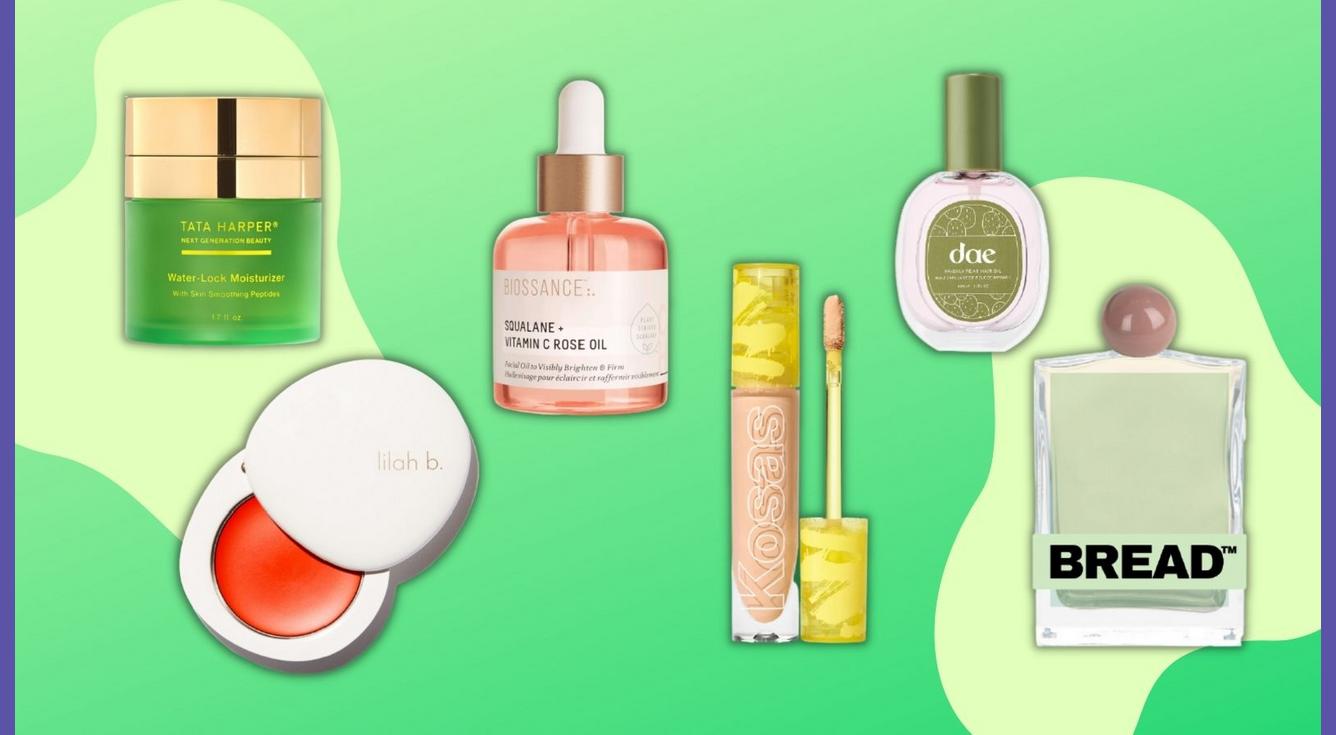
Clean beauty products have revolutionized skincare by prioritizing transparency, safety, and environmental responsibility. When searching for a trustworthy clean beauty moisturizer, understanding the various certification systems can help you make informed decisions rather than relying solely on marketing claims. This guide will help you navigate the complex certification landscape and develop a practical framework for comparing moisturizers and other clean beauty products.[source 1]
⭐ What We’ll Discover
Understanding Clean Beauty Certifications
Third-party certifications provide independent verification that products meet specific standards for ingredients, manufacturing processes, and environmental impact. Each certification addresses different aspects of “clean beauty,” making it important to understand what each one actually guarantees.[source 2]
1
EWG Verified Products
The Environmental Working Group’s verification focuses primarily on ingredient safety and transparency. Products with this certification:[source 3] [source 4]
-
Exclude ingredients on EWG’s “Unacceptable” list -
Provide full ingredient disclosure (including fragrance components) -
Follow good manufacturing practices -
Undergo regular review to maintain compliance
2
USDA Organic Certification
This certification applies specifically to agricultural ingredients used in beauty products, ensuring they were grown without synthetic pesticides, GMOs, or chemical fertilizers. It focuses on farming methods for raw materials and may only apply to certain ingredients rather than the entire formula.[source 5] [source 6]
-
Focuses on farming methods for raw materials -
Does not necessarily address manufacturing processes -
Different from food standards but uses similar principles -
May only apply to certain ingredients, not the entire formula
3
ECOCERT Natural Standards
ECOCERT certification examines both ingredients and production methods to verify environmental responsibility, prohibiting certain synthetic ingredients and requiring eco-friendly packaging and minimum percentages for natural and organic content.[source 7] [source 8]
-
Prohibits petrochemical ingredients, synthetic fragrances, and GMOs -
Requires eco-friendly packaging -
Monitors manufacturing processes for environmental impact -
Sets minimum percentages for natural and organic content
4
COSMOS Organic Approval
COSMOS represents a globally recognized standard developed through European certification collaboration, distinguishing organic and natural claims and requiring supply-chain inspections and environmental management.[source 9] [source 10]
-
Distinguishes between “COSMOS ORGANIC” and “COSMOS NATURAL” -
Requires annual on-site inspections plus unannounced audits -
Examines the entire supply chain from raw materials to finished products -
Prohibits all GMOs and requires environmental management plans
5
Cradle to Cradle Certified
This certification evaluates products for overall sustainability across multiple categories, emphasizing lifecycle assessment, material health, and regenerative design principles with tiered certification levels.[source 8]
-
Assesses material health, product circularity, and manufacturing impact -
Offers tiered certifications (Bronze through Platinum) -
Focuses on full product lifecycle rather than just ingredients -
Emphasizes regenerative design principles
Clean Beauty Moisturizer Essentials
When evaluating clean beauty moisturizers specifically, consider both certifications and formulation elements that impact performance and safety.[source 6]
1
Key Ingredients to Seek
The best clean moisturizers contain effective hydrating components from trustworthy sources:
-
Humectants: hyaluronic acid, glycerin, aloe vera -
Emollients: plant oils, shea butter, jojoba oil -
Occlusives: plant waxes, butters, or ceramides -
Antioxidants: botanical extracts with protective properties
2
Ingredients to Question
Most certified clean beauty products avoid a range of concerning ingredients and undisclosed components.[source 4]
-
Parabens and synthetic preservatives -
Synthetic fragrances without disclosure -
Silicones (especially cyclic silicones) -
Petroleum-derived ingredients -
Phthalates and other endocrine disruptors
3
Signs of Quality Beyond Certification
Look for these additional indicators of a trustworthy clean beauty moisturizer:[source 11]
-
Transparent ingredient lists with INCI naming -
Full fragrance disclosure (no hidden “fragrance” components) -
Clear preservative systems appropriate for formula type -
Manufacturing and sourcing transparency
Evaluation Framework for Comparing Products
Use this systematic approach to assess and compare clean beauty moisturizers:
1
Certification Verification
First, confirm that certifications are legitimate and current:[source 5] [source 2]
-
Check certification body websites for product listings -
Verify expiration dates and certification levels -
Note which aspects of the product each certification addresses
2
Ingredient Analysis
Examine the complete ingredient list for elements that affect safety and performance:
-
Percentage of certified organic ingredients (if claimed) -
Presence of controversial ingredients even in certified products -
Functional ingredients that address your skin concerns -
Potential allergens or irritants specific to your skin
3
Formulation Suitability
Determine if the moisturizer’s composition matches your skin needs:
-
Texture and weight appropriate for your skin type -
Balance of humectants, emollients, and occlusives -
Absence of ingredients that trigger your specific concerns -
Stability and preservation appropriate for the formula
4
Sustainability Assessment
Evaluate environmental aspects beyond the formula:[source 9] [source 8]
-
Packaging recyclability or refillability -
Brand’s overall sustainability commitments -
Manufacturing transparency and practices -
Carbon footprint considerations
Practical Comparison Method
Follow this step-by-step process when comparing clean beauty moisturizers:
1
Create a Shortlist
Identify 3-5 moisturizers with at least one relevant certification that might meet your needs.
2
Build a Comparison Chart
For each product, record current certifications, ingredient lists, price per ounce, and key hydrating components for side-by-side review.
-
Current certifications and their verification status -
Complete ingredient lists for side-by-side review -
Price per ounce for value comparison -
Key hydrating components and their positions in the ingredient list
3
Score Each Product
Rate each moisturizer on a scale of 1-5 for certification strength, ingredient safety, formulation match, sustainability, and value.
4
Test Before Committing
When possible, request samples, conduct patch tests, and start with smaller sizes of new-to-you brands.
Your Questions Answered
Q: What if a product claims to be “clean” but has no certifications?
A: Uncertified products may still be excellent, but require more research. Review ingredient lists carefully, investigate brand transparency, and look for specific information about sourcing and manufacturing. Certification provides third-party verification, but some smaller brands may have clean formulations without formal certification due to cost barriers.[source 7] [source 4]
Q: Are more certifications always better?
A: Not necessarily. A product with one highly relevant certification (like EWG Verified for someone concerned primarily about ingredient safety) may be preferable to one with multiple less relevant certifications. Focus on the certifications that align with your specific priorities rather than simply counting labels.
Q: Can certified organic products still cause skin reactions?
A: Yes. Organic certification verifies farming practices but doesn’t guarantee that an ingredient won’t cause allergic reactions or sensitivities. Natural and organic ingredients can still trigger skin issues for some individuals. Always patch test new products, regardless of certification status.[source 3] [source 6]
Q: How often should I recheck certification status?
A: Most certifications require annual renewal, so it’s wise to verify status yearly for products you use regularly. Formulations can change, and a previously certified product may lose certification if ingredients or processes are modified.[source 5] [source 2]
Making Informed Choices
Navigating clean beauty doesn’t require purchasing the most expensive or most-certified products on the market. Instead, it means understanding what matters most for your skin health, values, and budget, then systematically evaluating options against those priorities.
Start by identifying your non-negotiables—whether ingredient safety, environmental impact, or organic sourcing—then use the framework above to find products that truly deliver on those promises rather than relying on marketing claims alone. The most valuable certifications are those that address your specific concerns and provide meaningful verification of the claims that matter most to you.
By developing this investigative approach to clean beauty moisturizers, you’ll be equipped to make confident choices across all categories of clean beauty products, ensuring that your purchases align with both your values and your skin’s needs.
“
“At Chic and Charm, we believe true beauty begins with empowered choices that honor your unique essence. By understanding and choosing clean, transparent skincare, you’re embracing your authenticity and radiating confidence from within. Shine with grace, knowing you’re nurturing your skin and spirit for a life of genuine elegance.”