
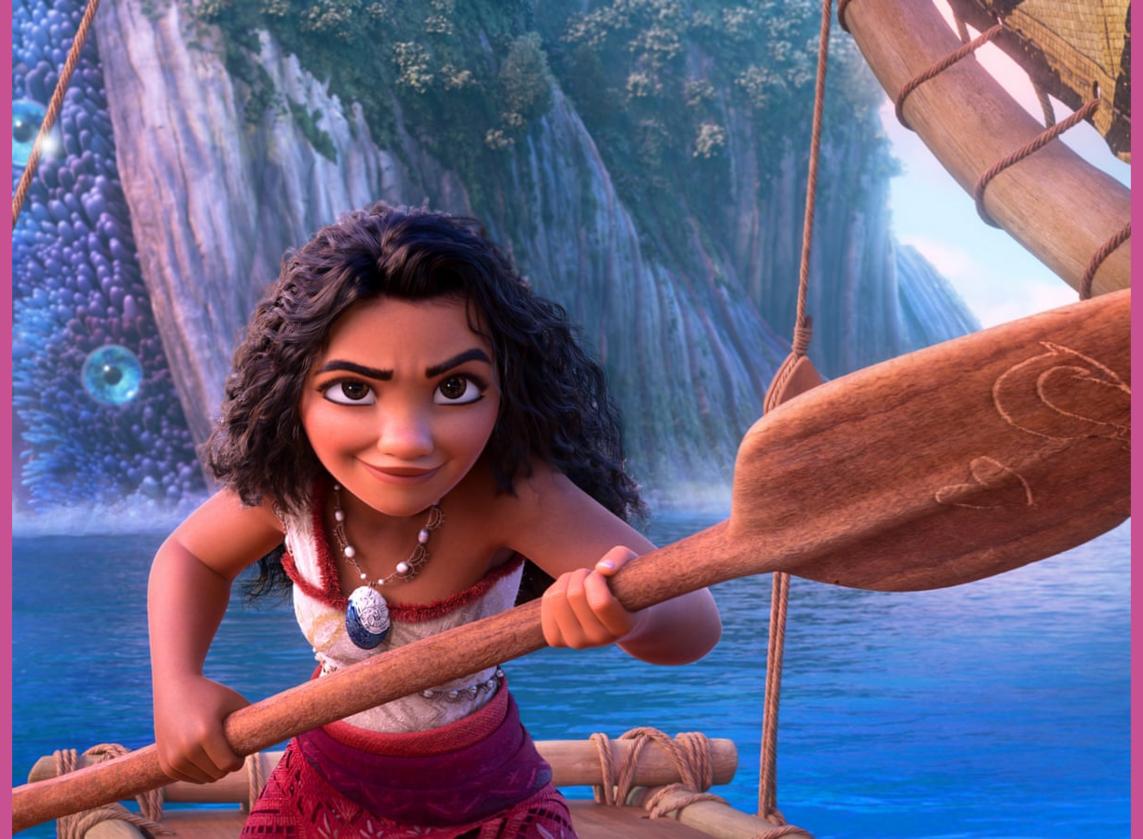
Across a sea of sparkling theater screens, Disney’s Polynesian voyager has returned for another adventure that’s capturing the attention of women everywhere. For those of us who found inspiration in Moana’s original journey of self-discovery, the sequel brings a mix of familiar waves and new horizons. The Moana 2 reviews are flowing in, creating conversations about representation, storytelling, and the evolution of female protagonists in animation. Whether you’re planning a mother-daughter movie night or seeking cultural insights, understanding what critics and audiences are saying about this anticipated sequel can help you navigate your viewing expectations.
As women who appreciate both entertainment and meaningful representation, we deserve to know whether this return to Motunui delivers the same empowering messages and enchanting experience that made the original so beloved. Let’s dive into what reviewers are saying about Moana’s latest voyage.[source 1]
⭐ What We’ll Discover
The Visual Journey: Animation and Artistic Achievement
Story Structure: How the Sequel Compares to the Original
Musical Landscape: The Soundtrack Perspective
Character Evolution: Moana and Her Companions
The Cultural Representation: Polynesian Heritage in Animation
Your Questions Answered
Final Thoughts
The Visual Journey: Animation and Artistic Achievement
If there’s one element of Moana 2 that universally dazzles reviewers, it’s the breathtaking visual artistry. Critics consistently praise the sequel’s stunning animation, which elevates Disney’s already high standards to new heights. The lush island environments burst with vibrant colors and meticulous details that transport viewers directly into the heart of Oceania.
The water animations—a crucial element given the seafaring nature of the story—receive particular acclaim for their photorealistic movement and luminescent qualities. Each wave, splash, and reflection demonstrates the technical mastery of Disney’s animation team. Reviewers note how the character animations convey subtle emotional nuances through facial expressions and body language that further immerse audiences in Moana’s world.[source 2]
1
Artistic Innovation
Beyond the technical achievements, critics appreciate the creative visual sequences that blend fantasy and cultural imagery. The dreamlike navigation scenes and encounters with mystical elements showcase imaginative artistry that appeals to viewers of all ages. For women who appreciate visual storytelling, these sequences offer moments of pure aesthetic joy that stand strong regardless of other elements in the film.[source 3][source 4]
The animation quality alone makes the film worth experiencing on the big screen, providing a feast for the eyes that reminds us why Disney continues to lead in animated filmmaking, even when other aspects might not reach the same heights.
Story Structure: How the Sequel Compares to the Original
Where the sequel faces its most significant criticism is in its narrative approach. Multiple reviews point to a formulaic structure that closely mirrors the original film’s blueprint, creating a sense of déjà vu rather than breaking new ground. Moana once again leaves her island home, encounters maritime challenges including the coconut-clad Kakamora warriors, and faces off against a powerful antagonist.[source 5]
This structural similarity has led many reviewers to describe the storyline as “thin” or “recycled,” lacking the innovation that made the first film feel so fresh. For women who connected deeply with the original’s journey of self-discovery, this retreading of familiar territory may feel less emotionally resonant.
1
Plot Developments
Critics note that while the sequel introduces new islands and characters, the central conflicts and resolutions follow predictable patterns that don’t challenge viewers or push the franchise forward. The stakes sometimes feel artificially constructed rather than organically emerging from character growth or world-building.[source 3]
However, some reviewers acknowledge that the familiar structure provides comfort for younger viewers, making the film accessible and enjoyable for family audiences. The simplicity may disappoint adult women looking for narrative complexity, but it serves its purpose for introducing new generations to Moana’s world.
Musical Landscape: The Soundtrack Perspective
Perhaps the most unanimous criticism in Moana 2 reviews centers on the musical elements—an area where the original film soared with Lin-Manuel Miranda’s memorable compositions like “How Far I’ll Go” and “You’re Welcome.” Reviewers consistently describe the sequel’s soundtrack as forgettable, lacking the emotional punch and memorable hooks that made the first film’s music so enduring.[source 6]
1
Musical Moments
Critics specifically mention that while the music is professionally produced and performed, it lacks distinctive melodies and lyrical depth that would make it stand out. The songs move the plot forward but don’t linger in the heart or mind. This represents a significant missed opportunity, as music was one of the original film’s strongest connecting points with audiences.[source 2]
The cultural elements in the music remain respectful and authentic, but without the magical combination of cultural inspiration and contemporary catchiness that defined the original soundtrack’s success.
Character Evolution: Moana and Her Companions
Moana herself undergoes a transformation that has generated mixed reactions from reviewers. The protagonist is now portrayed as extremely capable and confident—qualities that showcase female empowerment but simultaneously reduce the relatable struggles that made her original journey so compelling.[source 2][source 7]
Critics note that with fewer personal challenges to overcome, Moana’s character arc feels flatter, offering less emotional investment for audiences. For women viewers who connected with Moana’s initial journey of finding her place and voice, this evolution presents both positive representation of female competence but fewer opportunities for meaningful character growth.
1
Supporting Characters
Maui, the demigod who shared significant screen time in the original, is reportedly underutilized in the sequel, particularly in the first act. This diminishes the dynamic relationship between the two leads that provided much of the first film’s heart and humor.[source 5]
New supporting characters are introduced but don’t receive enough development to make lasting impressions. Several reviewers mention that these characters serve plot functions rather than emerging as memorable additions to Disney’s character pantheon. For women viewers who value rich character relationships, this represents another area where the sequel doesn’t quite match the original’s strengths.
The Cultural Representation: Polynesian Heritage in Animation
Despite various criticisms, reviews consistently acknowledge that Moana 2 continues the original’s commitment to authentic cultural representation. The celebration of Polynesian heritage, traditions, and values remains respectful and central to the storytelling.[source 8]
1
Cultural Details
Reviewers note that the film incorporates elements of traditional navigation, community values, and spiritual connections to nature in ways that feel integral rather than decorative. This thoughtful approach to cultural elements provides educational value alongside entertainment, especially for mothers sharing the experience with daughters who are developing cultural awareness.[source 9]
This aspect of the film receives praise even from critics who find fault with other elements, suggesting that cultural authenticity remains one of the franchise’s core strengths.
Your Questions Answered
Q: Is Moana 2 appropriate for all ages of women and girls?
A: Yes, reviewers consistently note the film maintains the family-friendly approach of the original with positive messages about courage, community, and female leadership. The content is appropriate for all ages, though adults may find the storyline less engaging than younger viewers.
Q: How does Moana 2 compare to the original film overall?
A: Most reviews indicate the sequel doesn’t reach the heights of the original, particularly in storytelling originality and musical impact. However, the animation quality is praised as equal or superior, making it visually spectacular even if other elements fall short.
Q: Does Moana 2 have strong female representation like the first film?
A: Yes, Moana continues to be portrayed as a strong, capable leader with agency and purpose. Some reviewers note she’s actually more competent in the sequel, though this comes at the cost of some of the relatable vulnerability that made her original journey so compelling.
Final Thoughts
Moana 2 reviews reveal a film of contrasts—visually spectacular but narratively familiar, culturally authentic but musically forgettable. For women viewers, particularly those who cherished the original’s groundbreaking portrayal of a determined, independent female protagonist, the sequel offers continued representation but perhaps less emotional depth.
The film succeeds most brilliantly in its visual artistry, providing a feast for the eyes that celebrates Polynesian cultural aesthetics in stunning detail. While it may not inspire the same passionate connection as the original, Moana 2 still offers an enjoyable family experience with positive messages about female leadership, cultural heritage, and community values.
“
“At Chic & Charm, we believe every woman deserves stories that dazzle the eyes while honoring diverse cultural voices. While Moana 2 may not replicate the original’s magic in every wave, it still offers women and girls a seaworthy journey of beautiful animation and cultural celebration that reminds us all to keep voyaging toward new horizons with confidence and grace.”