
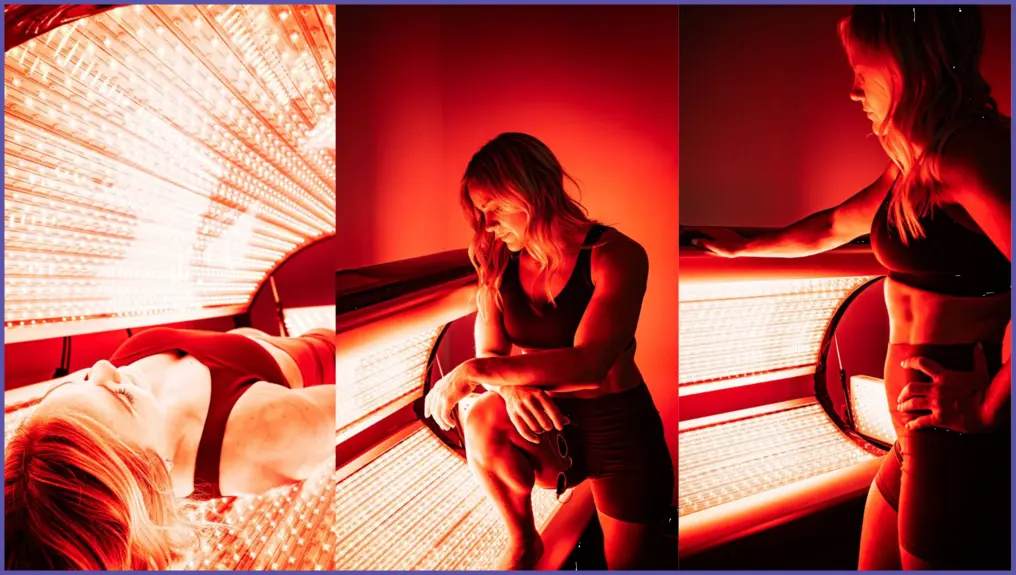
Red light therapy skincare has emerged as a revolutionary approach to improving skin health without invasive procedures. This innovative technique uses specific wavelengths of visible red and near-infrared light to penetrate the skin, stimulating cellular activity and promoting natural healing processes. As more people seek effective, non-invasive skincare solutions, red light therapy has gained significant attention for its science-backed benefits and ease of use at home or in professional settings.[source 1]
⭐ What We’ll Discover
What is Red Light Therapy?
1
Definition and Scientific Basis
Red light therapy is a treatment that uses specific red and near-infrared light wavelengths (typically between 630-850nm) to penetrate skin at varying depths. Unlike UV light, these wavelengths don’t damage skin cells but instead stimulate cellular function through a process called photobiomodulation. This non-invasive approach works by enhancing the skin’s natural regenerative processes at the cellular level rather than through chemical or mechanical means.[source 2] [source 3]
2
Historical Development
Light therapy has an established scientific history dating back to the early 20th century. In 1903, Niels Ryberg Finsen received the Nobel Prize in Medicine for his groundbreaking work using light to treat skin tuberculosis, marking official medical recognition of phototherapy. Over decades, research evolved from broad-spectrum light treatments to the targeted wavelengths used in modern red light therapy, with significant advancements occurring as LED technology improved and became more accessible.[source 4] [source 3]
How Red Light Therapy Works For Skin
1
Cellular Mechanism of Action
The effectiveness of red light therapy stems from its ability to be absorbed by photoreceptors in skin cell mitochondria. When red or near-infrared photons reach these cellular “power plants,” they trigger a cascade of biochemical reactions. This process increases production of adenosine triphosphate (ATP) – the energy currency that powers cellular activities – leading to enhanced cellular function and repair.[source 5] [source 3]
2
Skin’s Response to Light Energy
With increased cellular energy, skin cells can perform their functions more effectively. This energizing effect enhances:
-
Collagen and elastin production for improved firmness -
Cell turnover for fresher skin -
Blood circulation for better nutrient delivery -
Waste elimination from tissues -
Reduced inflammatory responses
The degree of light absorption (bioavailability) determines treatment effectiveness, which is why proper device selection and positioning are crucial.[source 6]
Key Wavelengths and Their Benefits
1
660nm Red Light
The 660nm wavelength represents visible red light that penetrates the skin to a moderate depth, primarily affecting the epidermis and upper dermis. This wavelength is particularly effective for stimulating collagen synthesis, reducing fine lines and wrinkles, improving skin texture and tone, and diminishing surface imperfections. This wavelength is ideal for targeting surface-level skin concerns and promoting overall skin rejuvenation.[source 1] [source 3]
2
850nm Near-Infrared Light
The 850nm wavelength falls in the near-infrared spectrum, which is invisible to the human eye but penetrates much deeper into tissues. Its benefits include deeper dermal and subdermal tissue repair, more pronounced anti-inflammatory effects, enhanced wound healing capabilities, and benefits extending to underlying muscles and joints. Near-infrared light reaches deeper structures, making it valuable for addressing more than just superficial skin issues.[source 7] [source 3]
Benefits of Red Light Therapy for Skin
1
Anti-Aging Effects
-
Reduced appearance of fine lines and wrinkles -
Improved skin firmness and elasticity -
Enhanced skin tone and brightness -
Diminished appearance of age spots and sun damage
These improvements result primarily from increased collagen production and cellular repair mechanisms.[source 8] [source 3]
2
Healing and Repair
-
Faster recovery from sunburns and environmental damage -
Reduced scarring from acne, surgery, or injuries -
Improved healing of chronic skin conditions -
Decreased recovery time after dermatological procedures
The therapy’s ability to reduce inflammation while boosting cellular repair makes it valuable for compromised skin.[source 9] [source 3]
LED Light Therapy Guide for Users
1
Device Options and Selection
-
Handheld wands (for targeted treatment of small areas) -
LED face masks (for convenient full-face treatment) -
Panel systems (for treating larger body areas) -
Flexible LED pads (for contoured body areas)
When selecting a device, look for FDA clearance, verified wavelength specifications (660nm and/or 850nm), appropriate power output, and coverage area suited to your needs.[source 5] [source 3]
2
Usage Guidelines and Best Practices
-
Cleanse skin thoroughly before treatment -
Start with shorter sessions (5-10 minutes) and gradually increase -
Maintain a consistent schedule (3-5 sessions weekly) -
Position the device at the manufacturer’s recommended distance -
Protect eyes with appropriate eyewear if recommended -
Be patient—visible improvements typically emerge after 4-12 weeks of regular use
Consistency is key to seeing meaningful improvements from red light therapy.[source 6] [source 3]
Red Light Therapy Beyond Skincare
1
Circadian Rhythm and Wellness Benefits
Beyond skin improvements, research suggests red light therapy may influence circadian rhythms and overall wellness. Exposure to specific light wavelengths can help regulate sleep cycles, potentially improving sleep quality and daytime energy levels.[source 2]
2
NASA Research Applications
Red light therapy gained significant credibility through NASA’s research programs. Scientists originally developed LED technology to grow plants in space before discovering its remarkable effects on human tissue healing. NASA’s studies demonstrated accelerated wound healing and tissue repair, helping establish red light therapy as a legitimate therapeutic approach.[source 2] [source 3]
Your Questions Answered
Q: Is red light therapy safe for all skin types?
A: Red light therapy is generally considered safe for all Fitzpatrick skin types (I-VI). Unlike UV light, it doesn’t cause damage to skin cells or increase melanin production, making it suitable for most people regardless of skin tone.[source 8]
Q: How long before seeing results from red light therapy?
A: Most people begin noticing subtle improvements after 4-6 weeks of consistent use, with more significant results appearing after 8-12 weeks. Factors affecting this timeline include device quality, treatment consistency, individual skin condition, and treatment goals.[source 6] [source 3]
Q: Can red light therapy replace other skincare products?
A: Red light therapy works best as a complement to, not a replacement for, a good skincare routine. It enhances the effectiveness of quality skincare products by improving cellular function and skin receptivity. For optimal results, combine red light therapy with appropriate cleansers, moisturizers, and targeted treatments.[source 7] [source 3]
The Light-Powered Future of Skincare
Red light therapy represents a significant advancement in non-invasive skincare technology. By harnessing specific light wavelengths to enhance the skin’s natural regenerative processes, this approach offers meaningful benefits without the downtime or risks associated with more aggressive treatments. The growing body of research supporting its effectiveness for anti-aging, healing, and overall skin health makes it an increasingly valuable tool in both professional and at-home skincare regimens. As technology continues to improve and become more accessible, red light therapy skincare will likely become an increasingly mainstream component of comprehensive skin health strategies. Whether you’re looking to address specific concerns or simply maintain healthy, youthful-looking skin, this science-backed approach offers promising results when used consistently and correctly.[source 1] [source 10] [source 3]
“
“At Chic and Charm, we believe true beauty begins within, radiating confidence and authenticity in every woman’s unique light. Just like red light therapy revitalizes skin from the inside out, your inner strength and elegance shine brightest when you embrace your true self. Empowered and radiant—you are your most beautiful, always.”