
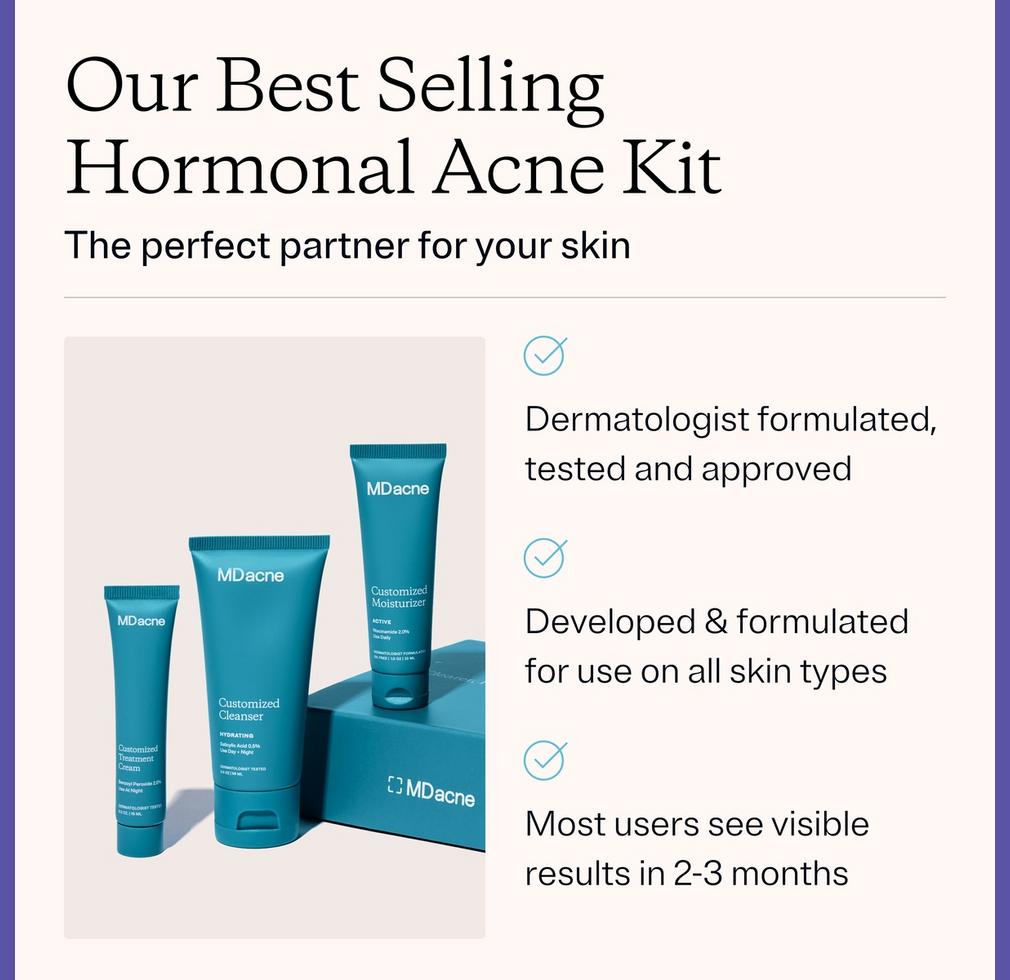
Acne treatment for women requires understanding the unique challenges hormonal fluctuations create and establishing effective routines for lasting results. Unlike men, women experience cyclical hormonal changes that directly impact skin health and breakout patterns. Finding the right combination of products, habits, and possibly medical interventions can transform your skin—but it takes knowledge, consistency, and patience.[source 1]
⭐ What We’ll Discover
Understanding Acne in Women
1
Hormonal Influences
Acne in women is deeply connected to hormonal cycles. Estrogen and progesterone fluctuations throughout your menstrual cycle, pregnancy, perimenopause, and menopause directly affect oil production and skin cell turnover. This explains why many women experience predictable breakouts before their period or during specific life stages.[source 2] [source 3]
Unlike teenage acne that might appear across the face, adult women typically develop breakouts concentrated on the lower face, jawline, and chin—classic signs of hormonal influence. These often manifest as deep, painful cysts rather than surface-level whiteheads.[source 4] [source 1]
2
Realistic Treatment Timelines
One crucial expectation to set: acne treatment takes time. Most treatments require 8-12 weeks before showing significant improvement. Some hormonal therapies might take 6-12 months for full benefits. This extended timeline frustrates many, but patience is non-negotiable—switching products too frequently prevents you from seeing real results.[source 2] [source 5]
Hormonal Acne Solutions
1
Identifying Hormonal Acne
Hormonal acne typically presents with these characteristics:
-
Concentrated on lower face, jawline, and chin -
Cyclical flare-ups that coincide with your menstrual cycle -
Deep, painful cysts or nodules rather than surface-level whiteheads -
Often resistant to typical topical treatments -
May worsen with stress, lack of sleep, or certain foods
Conditions like PCOS (polycystic ovary syndrome) can intensify hormonal acne by increasing androgen production.[source 6] [source 7]
2
Medical Approaches
For persistent hormonal acne, medical interventions often provide the most significant improvement:
-
Combined oral contraceptives: Pills containing ethinyl estradiol combined with certain progestins reduce androgen activity and decrease sebum production. -
Spironolactone: This oral medication blocks androgen receptors and reduces oil production. Dosages typically range from 50-200mg daily, with results appearing after 2-3 months. -
Topical anti-androgens: Newer options like clascoterone cream block androgen receptors directly in the skin. -
Isotretinoin (Accutane): Reserved for severe cases, this powerful medication provides long-term remission in many patients but requires careful monitoring.
[source 2] [source 8] [source 1]
Clear Skin Routine Fundamentals
1
Morning Routine Essentials
Your morning routine should include:
-
Gentle cleanse using a non-foaming cleanser -
Apply treatment actives if tolerated -
Hydrate with a non-comedogenic moisturizer -
Protect with broad-spectrum SPF 30+
For hormonal acne, consider incorporating niacinamide or azelaic acid in the morning—both help regulate oil production and reduce inflammation without increasing sun sensitivity.[source 9] [source 10]
2
Evening Routine Framework
Your evening routine does the heavy lifting:
-
Remove makeup thoroughly -
Cleanse with a gentle, pH-balanced cleanser -
Apply your most potent treatments (retinoids, benzoyl peroxide, or prescription options) -
Seal with a non-comedogenic moisturizer
Retinoids like adapalene (Differin) or prescription tretinoin are particularly effective for hormonal acne when used consistently. Start with application 2-3 times weekly, gradually increasing frequency as your skin adapts.[source 11] [source 12]
Acne Skincare Ingredients That Work
1
Core Active Ingredients
Understanding key ingredients helps you build an effective routine:
-
Salicylic Acid (1-2%): Oil-soluble acid that penetrates pores to remove excess sebum and dead cells. -
Benzoyl Peroxide (2.5-5%): Antimicrobial that kills acne-causing bacteria and reduces inflammation. -
Retinoids (adapalene, tretinoin): Normalize cell turnover, prevent clogged pores, and support collagen production. -
Azelaic Acid (15-20%): Reduces inflammation, kills bacteria, and fades post-acne dark spots. -
Niacinamide (4-10%): Regulates oil production, strengthens the skin barrier, and reduces inflammation.
2
Product Layering Strategy
Proper layering maximizes effectiveness and minimizes irritation:
-
Apply water-based products before oil-based ones -
Wait 20-30 minutes between retinoids and other actives -
Never mix benzoyl peroxide and tretinoin in the same application (they deactivate each other) -
Apply acne treatments to clean, dry skin unless specifically directed otherwise -
Finish with moisturizer, even if your skin is oily
Breakout Prevention Strategies
1
Environmental Factors
Beyond skincare, these factors significantly impact acne:
-
Change pillowcases 2-3 times weekly to reduce bacterial transfer -
Clean phone screens daily with antibacterial wipes -
Avoid touching your face throughout the day -
Consider how hair products might contact facial skin -
Shower promptly after sweating heavily during exercise
2
Lifestyle Adjustments
These lifestyle factors can dramatically improve skin clarity:
-
Prioritize 7-8 hours of quality sleep nightly -
Manage stress through regular exercise, meditation, or activities you enjoy -
Stay hydrated with adequate water intake throughout the day -
Consider tracking potential food triggers (dairy and high-glycemic foods affect some women) -
Maintain consistent routines—skin thrives on regularity
Acne Scar Treatment Options
1
Types of Post-Acne Marks
Understanding the difference between types of marks guides treatment:
-
Post-inflammatory hyperpigmentation (PIH): Dark spots that fade over time with proper care. -
Post-inflammatory erythema (PIE): Red/pink marks caused by dilated blood vessels. -
Atrophic scars: Indented scars requiring professional intervention. -
Hypertrophic scars: Raised scars that might respond to topical treatments.
2
Effective Treatments
For post-acne marks and scars:
-
For PIH: Tranexamic acid, vitamin C, azelaic acid, and rigorous sun protection accelerate fading. -
For PIE: Niacinamide, centella asiatica, and laser treatments can reduce redness. -
For atrophic scars: Professional treatments like microneedling, chemical peels, or fractional laser therapy provide significant improvement over 3-6 sessions. -
For prevention: Early, consistent acne treatment prevents scarring—never pick or squeeze active breakouts.
[source 13] [source 17] [source 18]
When to See a Dermatologist
1
Professional Intervention Indicators
Consider seeing a dermatologist when:
-
Your acne persists after 8-12 weeks of consistent over-the-counter treatment -
Breakouts are deep, painful, and potentially scarring -
You suspect hormonal factors are driving your acne -
Acne significantly impacts your quality of life or emotional wellbeing -
You’re experiencing unusual symptoms alongside acne (excessive hair growth, irregular periods) -
You want to discuss prescription options like spironolactone or isotretinoin
2
Preparing for Your Appointment
Maximize your dermatologist visit by:
-
Taking photos of your acne over several weeks to show patterns -
Tracking breakout timing in relation to your menstrual cycle -
Making a complete list of all products currently used -
Noting any medications, supplements, or birth control methods -
Preparing specific questions about treatment options and timelines
Your Questions Answered
Q: Why does my acne worsen before my period?
A: Premenstrual acne flares occur because:
– Progesterone levels rise during the week before your period
– This hormonal shift increases sebum (oil) production
– Pores become more easily clogged
– Inflammation increases throughout the body
Using treatments containing benzoyl peroxide or azelaic acid during this predictable window can help minimize these cyclical breakouts.[source 6] [source 16]
Q: How long should I try a product before deciding it doesn’t work?
A: For most acne treatments:
– Give products a minimum of 8-12 weeks before evaluating effectiveness
– Expect potential “purging” (temporary worsening) with retinoids in the first 4-6 weeks
– Take progress photos every 2-4 weeks under consistent lighting
– Be aware that hormonal acne may require longer treatment periods (3-6 months)
– Consider a dermatologist consultation if no improvement after 3 months of consistent use[source 19]
Q: Can birth control pills really help acne?
A: Yes, certain birth control pills can significantly improve acne by:
– Reducing the body’s production of androgens (hormones that stimulate oil glands)
– Increasing sex hormone-binding globulin, which binds free testosterone
– Stabilizing hormonal fluctuations that trigger breakouts
– Providing anti-inflammatory effects that reduce redness and swelling
The most effective formulations contain ethinyl estradiol plus anti-androgenic progestins like norgestimate, drospirenone, or cyproterone acetate.[source 2] [source 20]
Q: Should I stop wearing makeup if I have acne?
A: You don’t need to eliminate makeup completely, but:
– Choose non-comedogenic, oil-free foundations and concealers
– Always remove makeup completely before sleep
– Consider mineral-based products, which tend to be less pore-clogging
– Avoid sharing makeup tools and clean brushes weekly
– Be especially careful with primers, which can contain silicones that trap bacteria[source 21]
Q: How can I tell if my acne is hormonal or caused by products?
A: Hormonal acne typically:
– Appears primarily on the lower face, jawline, and chin
– Follows cyclical patterns related to your menstrual cycle
– Consists of deep, painful cysts rather than small surface bumps
– Often worsens despite good skincare habits
– May accompany other hormonal symptoms
Product-caused acne usually:
– Appears in areas where specific products are applied
– Develops soon after introducing new products
– Consists of many small, similar-looking bumps
– Improves when you stop using the triggering product
– Affects unusual locations not typically associated with hormonal breakouts[source 1]
The Journey to Clearer Skin
Acne treatment for women isn’t about finding a magic product—it’s about consistency with evidence-based approaches tailored to your specific needs. Start with gentle, non-comedogenic basics and gradually introduce active ingredients that target your particular acne type. Whether your breakouts are hormonal, stress-related, or genetic, the right combination of skincare, lifestyle adjustments, and possibly medical treatments can transform your skin over time.[source 12]
Remember that clear skin is a journey, not a destination. Progress may be gradual, with occasional setbacks along the way. But with patience, consistency, and the right information, you can achieve significant improvement that boosts both your skin health and confidence.
“
“At Chic and Charm, we believe true beauty starts with embracing your authentic self and nurturing your confidence from within. Every step in your skincare journey is a celebration of your unique strength and resilience, reminding you that you are beautifully enough. Shine with grace, knowing that your inner glow is the most captivating accessory you can wear.”