
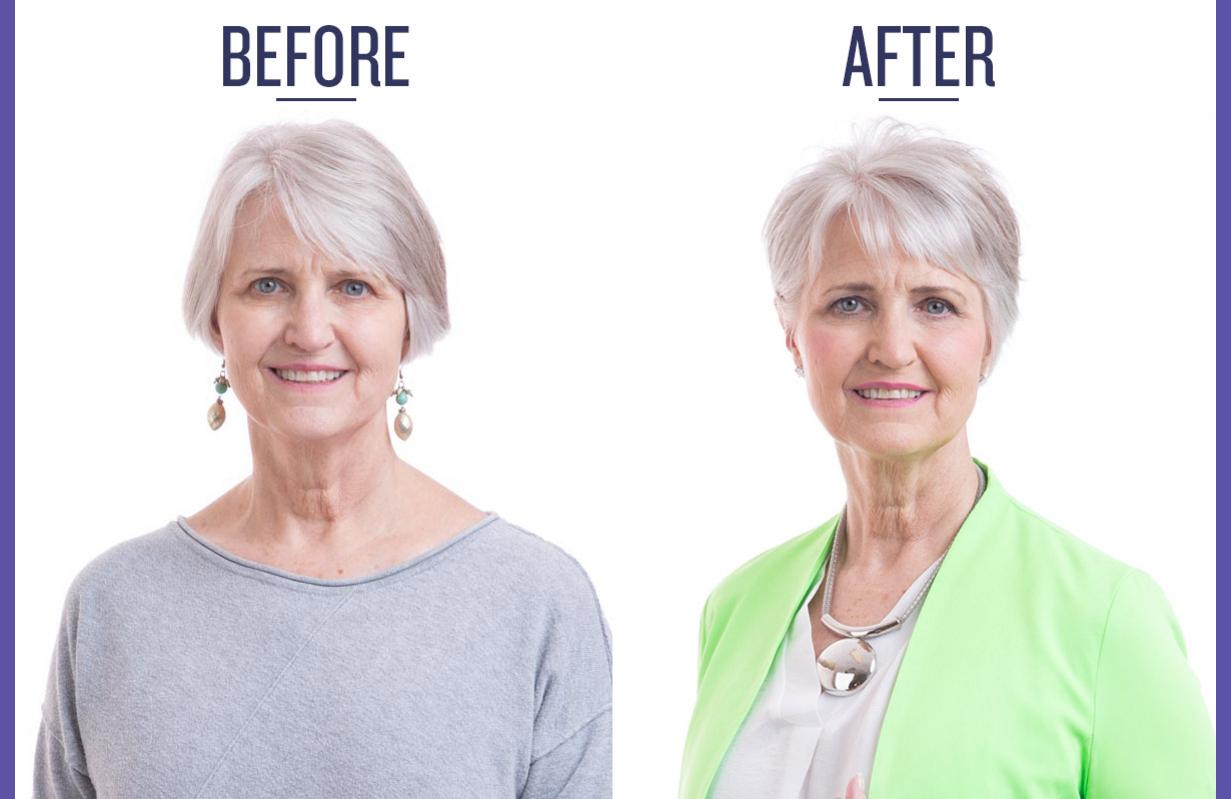
Mental health beauty represents the powerful intersection where psychological wellness enhances our outward appearance and self-perception. This connection between mental health and beauty isn’t just superficial—research shows that our inner state directly influences how we look, feel, and present ourselves to the world. When we nurture our minds, we often see improvements in confidence, skin clarity, and overall radiance that goes beyond what skincare alone can achieve.[source 1]
⭐ What We’ll Discover
Mental Health and Beauty: A Unified Perspective
1
The Two-Way Connection
Mental health and beauty share a bidirectional relationship that influences our overall wellbeing. Current beauty standards often place immense pressure on individuals, with studies showing that five in ten people report medium to high pressure to appear “beautiful” by societal definitions. This pressure frequently leads to anxiety, depression, and negative self-image regardless of actual appearance.[source 2]
2
Breaking Harmful Cycles
Breaking free from beauty-standard pressures requires understanding how our brains process beauty cues. Research indicates that unrealistic ideals erode self-esteem while fostering negative body perceptions that impact daily functioning. Recognizing this connection is the first step toward healthier relationships with our appearance.[source 3]
The Psychology of Beauty
1
How Your Brain Processes Beauty
The brain processes beauty through reward pathways that are heavily influenced by cultural and social signals. When we encounter idealized images, these pathways can trigger comparison responses that affect mood and self-perception. Studies show that constant exposure to unrealistic standards activates neural circuits that can either boost confidence or trigger insecurity, depending on our mindset.[source 3]
2
Social Media’s Amplifying Effect
Social media platforms dramatically amplify beauty pressures through constant exposure to filtered and edited content. Research reveals that platforms like Instagram foster upward comparisons that significantly heighten body dissatisfaction and psychological distress, particularly among teenagers and young adults. These digital environments can create artificial standards that even their creators cannot maintain in real life.[source 4]
Confidence Beauty
1
The Confidence-Attractiveness Link
Self-confidence fundamentally elevates perceived beauty in ways that cosmetics alone cannot achieve. Studies reveal that the “good-is-beautiful” heuristic influences how others perceive us—positive traits and self-assurance literally make you appear more attractive to others. This phenomenon works in reverse too, where mental health stigma can diminish perceived attractiveness judgments regardless of physical appearance.[source 5] [source 6]
2
Building Beauty Through Self-Assurance
Building confidence creates a positive cycle of improved self-perception and appearance. Practical steps include limiting social media exposure (79% of Americans acknowledge that filters warp beauty standards), practicing positive self-talk, and focusing on personal achievements beyond appearance. These practices help break the cycle where low self-esteem drives harmful beauty behaviors.[source 7]
Self-Care Mental Health
1
Daily Practices That Enhance Both
Self-care mental health practices create sustainable beauty from within through foundational wellness habits. Quality sleep improves skin recovery and reduces stress hormones that trigger breakouts. Balanced nutrition provides essential nutrients for hair, skin, and nail strength. Regular movement improves circulation and skin tone while boosting mood-enhancing endorphins.[source 8] [source 1]
2
Mindful Beauty Routines
Transforming beauty routines into mindful rituals enhances their psychological benefits. When you approach skincare or grooming as self-care rather than correction, the experience shifts from obligation to nourishment. Focus on sensation, breathing, and presence during beauty routines to activate the parasympathetic nervous system, reducing stress hormones that accelerate aging.[source 9]
Beauty Therapy
1
Beyond Surface Treatments
Beauty therapy encompasses intentional practices that benefit both appearance and emotional wellbeing. These include skincare rituals, spa treatments, and sensory experiences that ground us in the present moment. The therapeutic value comes not just from the physical results but from the process itself, which activates pleasure centers in the brain and reduces cortisol levels.[source 10] [source 1]
2
The Touch Connection
The power of therapeutic self-touch in beauty routines shouldn’t be underestimated. Facial massage, gentle application of products, and other forms of positive physical contact activate calming responses in the nervous system. These practices combat the isolation often associated with negative body image while enhancing circulation and product effectiveness.[source 4]
Wellness Mindset
1
Sustainable Beauty Thinking
A wellness mindset prioritizes consistency, mindfulness, and self-compassion over perfection or quick fixes. This approach forms the foundation for lasting mental health beauty by focusing on holistic wellbeing rather than isolated features or temporary solutions. Research shows that shifting from perfection-seeking to acceptance-based approaches significantly reduces appearance-related distress.[source 11] [source 3]
2
Practical Integration
Integrate beauty and mind care with these simple daily rituals:
-
Morning breathwork: 5-minute breathing exercise (inhale for 4 counts, hold for 4, exhale for 4) followed by gentle skincare to set a grounded tone -
Evening reflection: Complete the journaling prompt “Three ways my body supported me today” while applying a nourishing face mask -
Digital detox: Limit beauty-focused social media to 30 minutes daily, replacing scrolling time with tangible self-care -
Body gratitude: Name one physical feature you appreciate for its function rather than appearance each day
Track your progress over 14 days by noting your daily mood (1-10) and self-perceived glow to witness the connection between mental state and physical radiance.[source 12] [source 2]
Your Questions Answered
Q: How do beauty standards affect mental health?
A: Beauty standards significantly impact psychological wellbeing by creating unrealistic comparison targets that few can achieve naturally. Research shows these pressures increase risks of depression, anxiety, eating disorders, and social isolation through constant self-evaluation against impossible ideals. This effect is particularly pronounced among young people and marginalized groups who may already experience social pressure.[source 1]
Q: Can self-care practices improve both mental health and appearance?
A: Yes, consistent self-care routines benefit both psychological wellbeing and physical appearance through several mechanisms. Practices like mindfulness meditation reduce stress hormones that trigger inflammation and skin issues. Quality sleep improves cellular repair processes that enhance skin tone and clarity. Hydration supports mental focus while improving skin elasticity. These connections demonstrate why holistic approaches yield better results than isolated beauty treatments.[source 13] [source 4]
Q: What role does social media play in beauty and mental health?
A: Social media significantly influences both beauty standards and mental wellbeing through constant exposure to edited imagery. Studies show platforms like Instagram and TikTok catalyze appearance dissatisfaction through upward social comparison, with users comparing themselves to heavily filtered content. Limiting social media consumption to 30 minutes daily has been shown to reduce appearance anxiety and improve mood within two weeks.[source 3]
Q: How can I build a more positive relationship with my appearance?
A: Building a healthier relationship with your appearance starts with recognizing beauty as just one aspect of your overall worth. Practice media literacy by questioning the reality behind images you see online. Focus on how your body functions and what it allows you to experience rather than how it looks. Surround yourself with diverse representations of beauty that challenge narrow standards. Consider professional support if negative thoughts about appearance significantly impact your daily life.[source 14] [source 7]
Embracing True Radiance
Mental health beauty represents a more authentic approach to looking and feeling your best. By understanding the psychology behind confidence, practicing intentional self-care, and cultivating a wellness mindset, you create lasting radiance that transcends superficial treatments. This interconnection between inner wellbeing and outer glow explains why periods of high stress often show on our skin, while times of emotional balance tend to enhance our natural beauty.
Begin your journey today with the simple 14-day tracking exercise outlined above. Notice how your mental state influences your appearance, and vice versa. Share your experiences in the comments or through our wellness survey. The most beautiful version of yourself emerges when you honor the profound connection between how you feel and how you look.[source 15]
“
“Your inner confidence is the glow that amplifies your natural beauty—remember, you are powerful just as you are. Chic X Charm celebrates women who embrace their authentic selves and nurture their wellbeing from within. Because when you support your mind and body, your radiance becomes unstoppable.”