
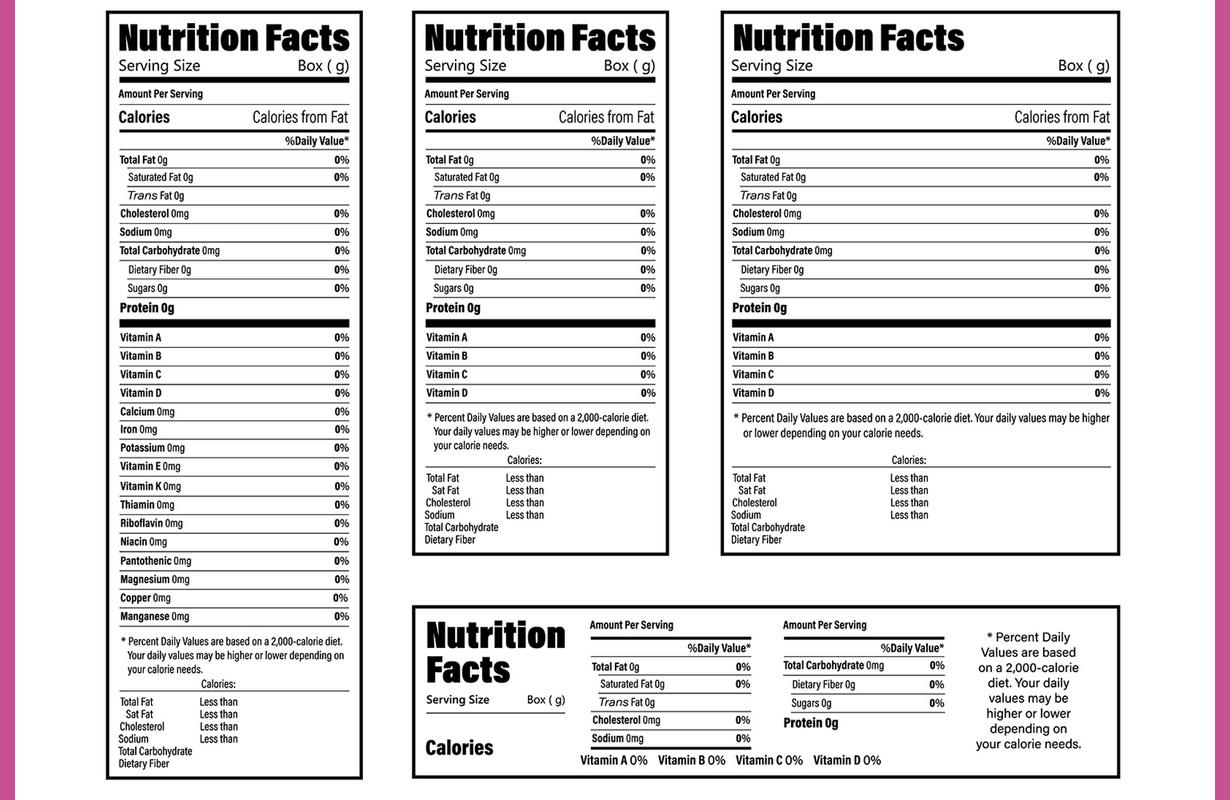
Navigating grocery store aisles can feel overwhelming with countless products competing for your attention. Making healthy choices becomes infinitely easier when you understand how to decode nutrition facts labels on packaged foods. These standardized panels reveal crucial information about what you’re putting into your body, empowering you to make informed decisions that align with your health goals. Understanding nutrition facts labels is an essential skill for every woman who wants to take control of her diet and overall wellbeing.
The FDA requires nutrition facts labels on most packaged foods and beverages, giving you access to detailed nutritional information per serving. Learning to interpret these labels correctly allows you to compare products, manage portions, and monitor your intake of nutrients that matter most for women’s health—like iron, calcium, and fiber. With a few simple strategies, you can transform this information into a powerful tool for supporting your nutritional needs.
⭐ What We’ll Discover
Demystifying the Nutrition Facts Panel
The nutrition facts label might seem like a jumble of numbers and terms, but it follows a standardized format designed to help consumers make informed choices. At the top, you’ll find serving size information, which forms the foundation for all other data on the label. This section tells you what the manufacturer considers a single serving and how many servings are in the entire package.[source 1][source 2]
Many women are surprised to discover that what they consider a single portion often counts as multiple servings according to the label. For example, a small bag of chips might contain 2.5 servings, meaning you’d need to multiply all the nutritional values by 2.5 if you consume the entire package. The FDA updated serving sizes in 2016 to better reflect how people actually eat, but discrepancies still exist.
Calories appear prominently on the label in large, bold font—another change from the 2016 update. This visibility helps you quickly assess how a food fits into your daily energy needs. Most women require between 1,600-2,200 calories daily, depending on age, activity level, and other factors, so understanding the caloric contribution of foods is key to maintaining energy balance.[source 3]
1
Reading Between the Lines
The nutrition label organizes nutrients into those you should limit and those you should ensure you get enough of. For optimal health, women should pay particular attention to the amounts of saturated fat, sodium, and added sugars—nutrients that, when consumed in excess, may contribute to chronic health conditions including heart disease and diabetes.[source 4]
The carbohydrate section breaks down total carbs, dietary fiber, total sugars, and added sugars. The distinction between total and added sugars is crucial—while naturally occurring sugars in fruits and dairy come packaged with beneficial nutrients, added sugars provide calories with minimal nutritional benefit. The American Heart Association recommends women consume no more than 25 grams (about 6 teaspoons) of added sugar daily.
Essential Components Women Should Focus On
For women at various life stages, certain nutrients deserve special attention when reviewing nutrition facts labels. Iron, for instance, is particularly important for women of reproductive age due to monthly blood loss through menstruation. The nutrition facts label shows how much iron a product contains, expressed as a percentage of your daily needs.[source 5]
1
Calcium and Vitamin D: Bone Health Essentials
Calcium and vitamin D work synergistically to maintain bone health—a critical concern for women as estrogen levels decline with age, increasing osteoporosis risk. The nutrition facts label lists both nutrients, helping you identify foods that contribute to your bone health goals. Aim for foods providing at least 10-20% of the Daily Value for these nutrients to support long-term bone strength.[source 1]
Dietary fiber is another nutrient that deserves special attention on the nutrition label. Beyond supporting digestive health, adequate fiber intake helps regulate blood sugar, manage weight, and reduce heart disease risk—all significant concerns for women’s health. Look for products offering at least 3-5 grams of fiber per serving to help reach the recommended 25-28 grams daily for adult women.[source 6]
Protein content appears toward the bottom of the nutrition facts panel. While most American women get sufficient protein, its quality and distribution throughout the day matter for muscle maintenance, especially as women age. The nutrition facts label helps you identify protein-rich foods that can be strategically incorporated into meals and snacks.
How to Use Percent Daily Values to Your Advantage
The percent Daily Value (%DV) column on nutrition facts labels provides a quick reference point for how foods fit into your overall diet. These percentages are based on a 2,000-calorie daily diet, which may be higher than many women’s actual needs. However, they still offer valuable context for nutrient evaluation.[source 7][source 8]
A simple rule of thumb helps interpret these percentages: 5% DV or less is considered low for any nutrient, while 20% DV or more is high. For nutrients you want to limit (saturated fat, sodium, added sugars), lower percentages are better. For beneficial nutrients (fiber, vitamins, minerals), higher percentages are desirable.[source 9]
1
Contextualizing Nutrients in Your Diet
The true power of the %DV comes from using it to compare similar products while shopping. For example, when choosing between two breakfast cereals, you might find one provides 25% DV for added sugars but 30% DV for fiber, while another offers 10% DV for added sugars but only 5% DV for fiber. This comparison helps you make informed trade-offs based on your personal health priorities.[source 10]
Remember that Daily Values are cumulative—they represent your target for the entire day across all foods consumed. Tracking your approximate intake throughout the day helps ensure you’re getting enough beneficial nutrients while staying within recommended limits for less desirable ones.
Nutrition Label Red Flags to Watch For
While nutrition facts labels provide valuable information, they can also contain warning signs about a product’s healthfulness. One key red flag is a lengthy ingredient list filled with unrecognizable additives, preservatives, and artificial ingredients. The nutrition facts panel works hand-in-hand with the ingredient list, which appears separately but provides crucial context.[source 11]
1
Added Sugars and Hidden Sodium
The “Added Sugars” line on updated nutrition labels reveals sugars that manufacturers have incorporated into products. These can appear under various names in ingredient lists—corn syrup, dextrose, honey, agave nectar, and many others. Foods with added sugars exceeding 10% of Daily Value warrant careful consideration, especially if consumed regularly.[source 12]
Similarly, sodium can hide in unexpected places, from sweet-tasting breakfast cereals to salad dressings. High sodium intake is linked to elevated blood pressure, a condition affecting many women. The nutrition facts label helps you identify sodium content, with 5% DV (115mg) or less being a good target per serving for women monitoring sodium intake.
Trans fats, though largely eliminated from the food supply, may still appear in some products. Look for “partially hydrogenated oils” in ingredient lists, even if the trans fat line shows 0 grams—manufacturers can claim 0 if the amount is less than 0.5g per serving, but these small amounts can accumulate.[source 13]
Making Nutrition Facts Work for Your Lifestyle Goals
Whether you’re focusing on weight management, athletic performance, pregnancy nutrition, or managing a health condition, nutrition facts labels can be tailored to support your specific goals. For weight management, the calories per serving and serving size information help you monitor energy intake while ensuring nutritional adequacy.
1
Special Considerations for Women’s Life Stages
During pregnancy, folate, iron, calcium, and protein take on heightened importance. The nutrition facts label helps identify foods rich in these nutrients, though prenatal supplements typically remain necessary. Postpartum and during breastfeeding, calorie and calcium needs increase further, making the nutrition facts panel a valuable tool for ensuring adequate nutrition.
For active women, paying attention to the carbohydrate, protein, and electrolyte content (sodium and potassium) of foods supports energy needs and recovery. The nutrition facts label helps balance macronutrients and identify foods that provide sustained energy for workouts and daily activities.
Women managing health conditions like diabetes can use nutrition facts to monitor carbohydrate intake, while those concerned about heart health can track saturated fat and sodium. The detailed breakdown provides personalized information relevant to your specific health concerns.[source 14]
Your Questions Answered
Q: Should I focus on calories or nutrient content when reading nutrition facts labels?
A: Both matter, but prioritize nutritional quality over calories alone. A nutrient-dense food may have more calories but provide valuable vitamins, minerals, and fiber that support overall health, while a low-calorie option might lack nutritional value.
Q: How can I use nutrition facts labels when dining out or ordering takeout?
A: Many restaurants now provide nutrition information online or upon request. Review this information before ordering, or use the knowledge gained from reading packaged food labels to estimate portions and make educated choices about menu items based on their ingredients and preparation methods.
Q: Are there apps that can help me interpret nutrition facts labels?
A: Yes, several apps allow you to scan product barcodes to instantly view and interpret nutrition information, track your daily nutrient intake, and compare similar products. These digital tools can simplify the process of using nutrition information to support your health goals.
Embrace Your Nutrition Knowledge
Understanding nutrition facts labels transforms your grocery shopping experience from guesswork to empowered decision-making. The information provided on these standardized panels serves as your personal guide to making choices aligned with your health objectives. By focusing on key nutrients that support women’s health while minimizing those that may undermine it, you create a foundation for vibrant wellbeing through informed nutrition.
The next time you pick up a packaged food item, take a moment to scan the nutrition facts panel with your new knowledge. Compare products, evaluate serving sizes, and assess how they fit into your overall eating pattern. Remember that small changes consistently applied can lead to significant health benefits over time. Your nutrition knowledge is a powerful tool for taking control of your health journey.
“
“At Chic X Charm, we believe every woman deserves to understand exactly what she’s putting into her body. Nutrition facts labels aren’t just numbers—they’re the key to unlocking your personal health potential. When a woman decodes these labels with confidence, she takes a powerful step toward nurturing herself with intention and purpose. Let your nutrition knowledge become your superpower!”