
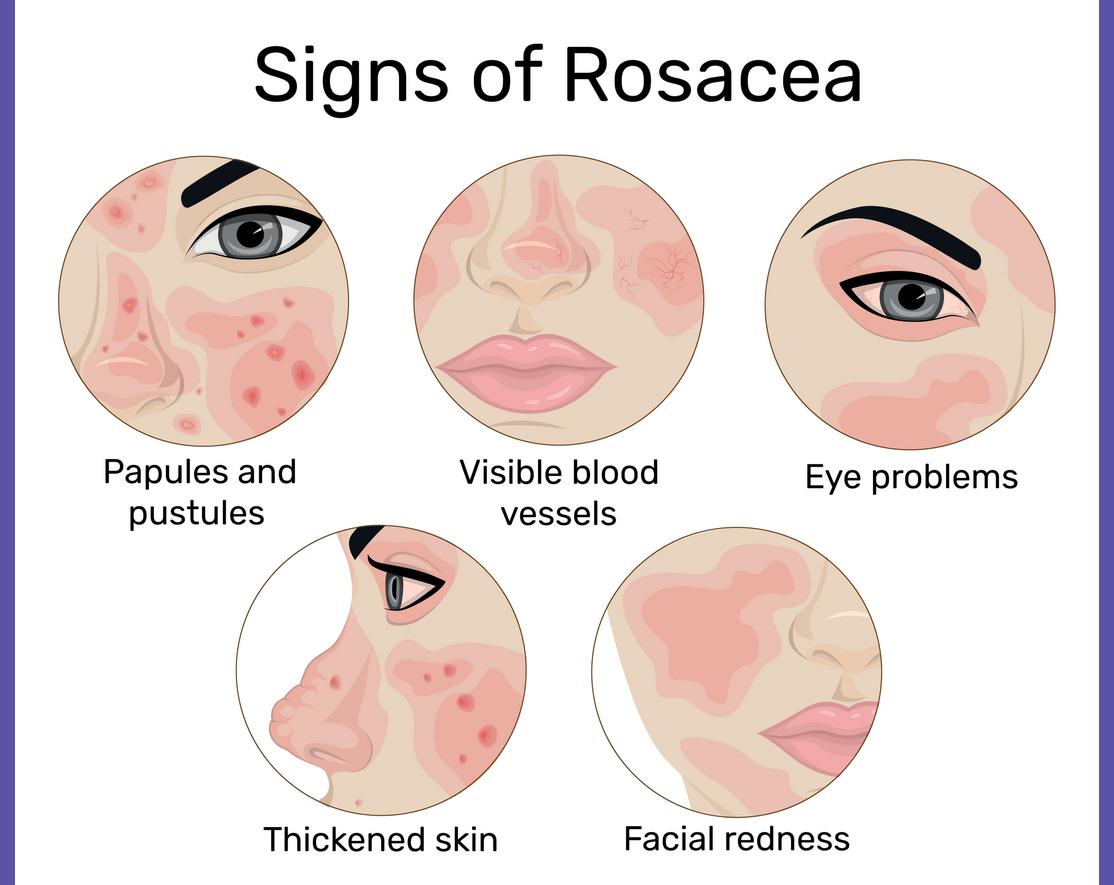
Rosacea treatment requires gentleness, consistency, and a focus on calming the skin. If you struggle with facial redness and sensitivity, building an effective anti-redness routine with soothing skincare can make a significant difference in managing symptoms and preventing flare-ups. This practical guide will help you understand how to reduce redness while supporting your skin’s natural barrier.[source 1]
⭐ What We’ll Discover
Understanding Rosacea and Facial Redness
1
What is Rosacea?
Rosacea is a chronic inflammatory skin condition characterized by persistent facial redness, visible blood vessels, occasional bumps, and heightened sensitivity. It typically affects the central face including cheeks, nose, chin, and forehead. While there’s no permanent cure, proper skincare and treatment can significantly manage symptoms and reduce flare-ups.[source 2] [source 3]
2
Why Calming Skincare Matters
People with rosacea have a compromised skin barrier that’s more reactive to environmental triggers, products, and temperature changes. Calming skincare focuses on strengthening this barrier while minimizing irritation. Gentle, consistent care provides the foundation for managing facial redness and preventing the inflammation cycle that worsens symptoms. Results take time, so patience and consistency are essential for seeing improvement.[source 4]
The Calming Skincare Philosophy
1
Barrier Protection First
The cornerstone of effective rosacea treatment is prioritizing products that repair and maintain your skin’s natural barrier. This protective layer keeps moisture in and irritants out. When it’s compromised, redness, sensitivity, and flare-ups become more frequent. Look for fragrance-free, gentle formulations designed specifically for sensitive or reactive skin.[source 3]
2
Common Irritants to Avoid
Certain ingredients consistently trigger or worsen rosacea symptoms and should be eliminated from your skincare routine:
-
Alcohol-based products that dry and irritate the skin -
Fragrances and essential oils, even “natural” ones -
Harsh exfoliants, scrubs, and strong acids -
Hot water, which dilates blood vessels -
Products containing menthol, camphor, or eucalyptus
These irritants can compromise your skin barrier and counteract your efforts to reduce facial redness.[source 5]
Building Your Anti-Redness Routine
1
Morning Routine Essentials
Start your day with gentle products that protect your skin:
-
Use a fragrance-free, non-foaming cleanser with lukewarm water -
Apply a calming serum or moisturizer containing barrier-supporting ingredients -
Finish with mineral-based sunscreen (SPF 30+ with zinc oxide or titanium dioxide)
This simple approach minimizes irritation while providing essential protection from UV rays, which are a common rosacea trigger.[source 3]
2
Evening Routine Focus
Your nighttime routine should emphasize repair and recovery:
-
Gently cleanse with the same mild cleanser or a hydrating cream formula -
Apply a barrier-repair moisturizer with ceramides or fatty acids -
If tolerated and recommended by a dermatologist, add targeted treatments
Evening is the best time to focus on barrier repair as your skin naturally regenerates while you sleep.[source 6]
Soothing Ingredients That Work
1
First-Line Calming Ingredients
These proven ingredients help reduce redness and support skin healing:
-
Ceramides: Rebuild the skin barrier and lock in moisture -
Niacinamide: Reduces inflammation and strengthens skin -
Centella asiatica (cica): Calms irritation and promotes healing -
Glycerin: Provides gentle hydration without clogging pores
Look for products where these ingredients appear high in the ingredient list for maximum benefit.[source 7] [source 8]
2
Secondary Supporting Ingredients
These additional ingredients can enhance your anti-redness routine:
-
Panthenol (provitamin B5): Soothes and promotes barrier repair -
Allantoin: Gentle skin-soother and protectant -
Chamomile extract: Natural anti-inflammatory properties -
Squalane: Lightweight hydration that mimics skin’s natural oils
These ingredients work well alongside first-line treatments to provide comprehensive care.[source 9]
Beyond Skincare: Managing Facial Redness
1
Identifying Your Triggers
Tracking what causes your flare-ups is crucial for comprehensive rosacea management. Common triggers include:
-
Heat exposure (hot showers, saunas, cooking over a stove) -
Spicy foods, alcohol, and hot beverages -
Strong winds and extreme temperatures -
Stress and anxiety -
Excessive product layering
Keeping a simple diary can help identify patterns specific to your skin.[source 10] [source 3]
2
Lifestyle Adjustments
Small changes can make a significant difference in reducing redness:
-
Use lukewarm water for washing and showering -
Apply cool compresses during flares -
Stay well-hydrated throughout the day -
Wear hats and seek shade outdoors -
Practice stress-management techniques like meditation
These measures complement your skincare routine for better overall results.[source 11] [source 4]
Common Mistakes to Avoid
1
Overcomplicating Your Routine
More products don’t mean better results. Using too many active ingredients or constantly switching products can compromise your skin barrier and worsen facial redness. Stick to a simple, consistent routine with proven ingredients instead of chasing trends.[source 12] [source 13]
2
Skipping Crucial Steps
Even when your skin is calm, maintain your protective routine. Skipping sunscreen on cloudy days or neglecting patch tests for new products can lead to setbacks. Prevention is always easier than treating a flare-up after it occurs.[source 14] [source 15]
When to Seek Professional Help
1
Signs You Need a Dermatologist
Consult a healthcare provider if you experience:
-
Persistent or worsening redness despite consistent care -
Development of bumps, pustules, or severe flushing -
Eye involvement (dryness, redness, stinging) -
Significant emotional distress from your symptoms
Prescription treatments like azelaic acid or ivermectin may be necessary alongside your topical care routine.[source 3]
2
Preparing for Your Appointment
Before seeing a dermatologist, document:
-
Your symptom history and timeline -
Known triggers and patterns -
Products you’ve tried and their effects -
Photos of your skin during flares
This information helps your provider create a targeted treatment plan.[source 4]
Your Questions Answered
Q: How do I deal with a sudden rosacea flare-up?
A: Return to basics immediately: wash with just lukewarm water or a very gentle cleanser, apply a simple moisturizer with proven calming ingredients like ceramides or niacinamide, and avoid all actives until the flare subsides. Cool compresses can provide temporary relief, and it’s important to avoid known triggers until your skin calms down.[source 16] [source 9]
Q: How long before I see results from my anti-redness routine?
A: Most people notice initial improvement in skin comfort within 2-3 weeks of consistent care, but visible reduction in redness typically takes 4-6 weeks or longer. The skin barrier needs time to strengthen, and progress is gradual rather than immediate. Maintain your routine even when improvements begin—consistency is key for long-term management.[source 3]
Q: Should I avoid wearing makeup if I have rosacea?
A: You don’t need to avoid makeup completely, but choose mineral-based products specifically formulated for sensitive skin. Look for minimal ingredient lists, avoid those containing potential irritants like fragrance or alcohol, and always remove makeup gently at the end of the day. Mineral foundations with zinc oxide can actually provide additional sun protection and some anti-inflammatory benefits.[source 17] [source 5]
Q: Can I use anti-aging products with my rosacea treatment?
A: Yes, but introduce them slowly and choose formulations specifically designed for sensitive skin. Gentle retinol derivatives, bakuchiol, or peptide-based products tend to be better tolerated than strong acids or traditional retinoids. Always patch test new products, apply them over moisturizer to buffer potential irritation, and stop immediately if you notice increased redness or sensitivity.[source 4]
Finding Your Calm Skin Balance
Living with rosacea requires finding the right balance between effective treatment and gentle care. The perfect anti-redness routine is one you can maintain consistently that doesn’t trigger flares. Remember that what works for someone else might not work for you—your skin is unique and deserves a personalized approach. By implementing the strategies in this guide, tracking your triggers, and working with healthcare professionals when needed, you can significantly reduce facial redness and enjoy more comfortable, confident skin.[source 18] [source 3]
“
“True beauty shines when we nurture ourselves with patience and kindness, especially through life’s delicate moments. Chic X Charm believes every woman deserves the confidence to embrace her authentic self, red and all. Because when you honor your unique journey, you reveal a radiant strength that inspires others to do the same.”