
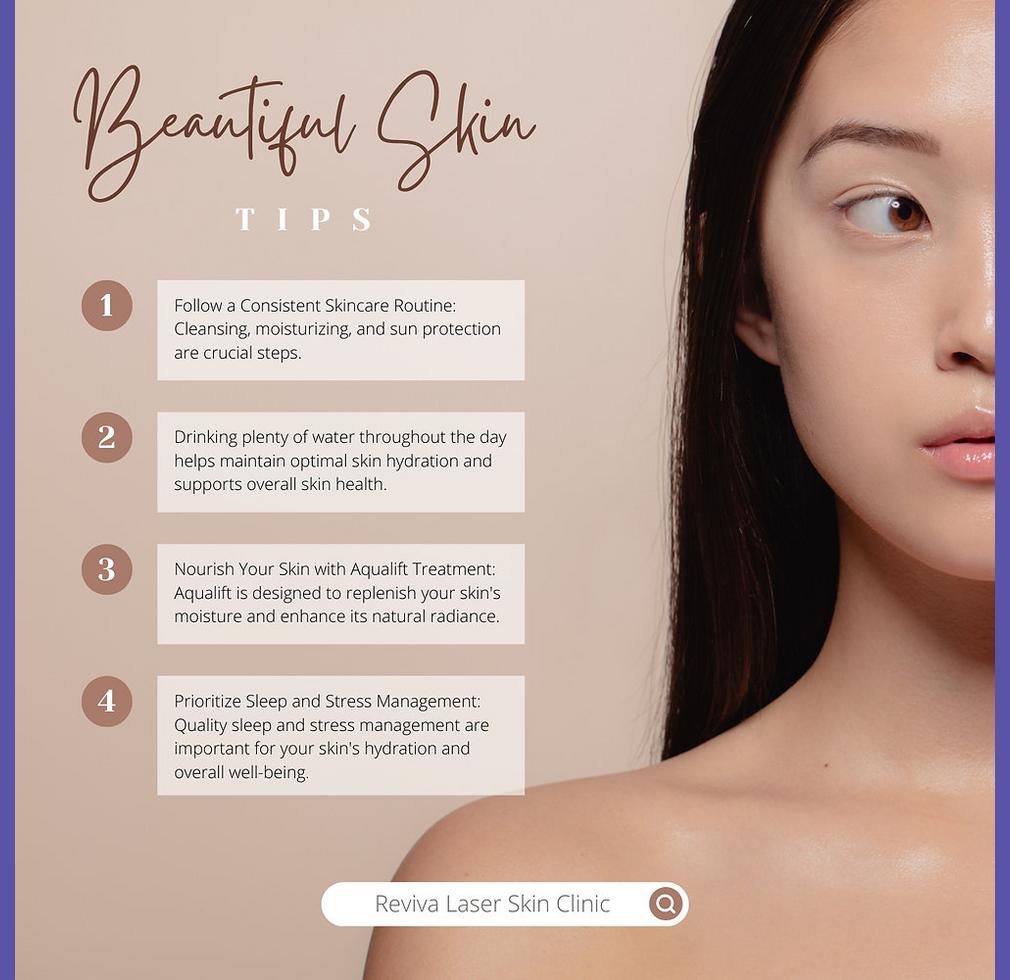
A hydration skincare routine forms the foundation of healthy, glowing skin for all skin types. Whether you’re dealing with seasonal dryness, environmental damage, or simply want to achieve that coveted dewy finish, proper hydration techniques can transform your complexion. This comprehensive guide walks you through proven strategies to rehydrate and restore your skin, helping you build a sustainable routine that delivers lasting results.[source 1] [source 2]
⭐ What We’ll Discover
Understanding Dehydration vs. Dry Skin
Before diving into solutions, it’s important to understand the difference between dehydrated skin and naturally dry skin.
1
What’s the Difference?
Dehydrated skin lacks water and is a temporary condition anyone can experience, regardless of skin type. Even oily skin can be dehydrated. Dry skin, however, is a skin type that naturally produces less oil. The key distinction: dehydration is about water content, while dryness relates to oil production.[source 2]
2
Recognizing Dehydration Signs
Dehydrated skin typically feels tight after washing, appears dull, shows more pronounced fine lines, and may feel rough to the touch despite sometimes looking oily. You might also notice increased sensitivity, flakiness without visible dryness, or makeup that doesn’t apply smoothly. These signs can come and go based on environment, products used, and lifestyle factors.[source 3] [source 2]
The Core Framework: Prep, Treat, Seal
Every effective hydration skincare routine follows a simple three-step framework that maximizes moisture retention and product effectiveness.[source 4]
1
Prep: Create the Perfect Canvas
The prep stage focuses on gentle cleansing and preparing your skin to receive hydration. This means removing impurities without stripping natural oils, balancing your skin’s pH, and creating slight dampness that helps products penetrate better.
2
Treat: Deliver Active Hydrators
The treatment phase introduces water-binding ingredients that actively pull moisture into your skin. These hydrating heroes—like hyaluronic acid, glycerin, and other humectants—work best when applied to slightly damp skin.
3
Seal: Lock in Moisture
The final sealing step prevents water evaporation by creating a protective barrier over your skin. Without this crucial step, the hydration you’ve just delivered can escape, potentially leaving skin even more dehydrated than before.
Morning Hydration Routine
Your morning routine should focus on lightweight hydration that protects against daily stressors.
1
Gentle Cleansing
Start with lukewarm water and a pH-balanced cleanser. Avoid hot water, which strips natural oils and accelerates moisture loss. Cleanse for 60 seconds using gentle circular motions, then pat—don’t rub—your face partially dry, leaving it slightly damp.[source 5]
2
Hydrating Toner or Essence
Apply a water-based toner or essence to your still-damp skin. These lightweight products prepare your skin to receive subsequent treatments and provide an initial layer of hydration. Look for alcohol-free formulations with humectants like glycerin or hyaluronic acid.[source 5]
3
Hydrating Serum Application
Layer a hydrating serum containing hyaluronic acid (HA) onto your damp skin. HA can hold up to 1,000 times its weight in water, making it incredibly effective for attracting moisture. Apply while your skin is still damp from toner to maximize absorption and effectiveness.[source 5]
4
Moisturizer Selection
Seal everything with a moisturizer appropriate for your skin type. Gel formulations work well for oily skin, lotions for normal skin, and creams for dry skin. Apply while your serum is still slightly damp to lock in hydration.[source 6] [source 5]
5
Sun Protection
Finish with broad-spectrum SPF 30+ sunscreen. UV damage accelerates moisture loss and compromises your skin barrier, undoing all your hydration efforts.[source 7]
Evening Hydration Routine
Your nighttime routine can be more intensive, focusing on deep hydration and repair.
1
Thorough Cleansing
Remove makeup, sunscreen, and daily buildup using the double-cleanse method: first an oil-based cleanser to dissolve makeup and sebum, then a gentle water-based cleanser. This ensures skin is truly clean without compromising its moisture barrier.[source 5]
2
Hydration Boosting
Apply hydrating products to damp skin. Consider using a hydrating mist with ingredients like hyaluronic acid and ceramides to re-energize your complexion and enhance subsequent product absorption.[source 2]
3
Treatment Layers
Apply serums with hydrating ingredients like multiple molecular weights of hyaluronic acid, which work at different skin depths. Night is also an ideal time for barrier-supporting ingredients like ceramides, peptides, and niacinamide.
4
Rich Moisturizer or Occlusive
Finish with a richer moisturizer than your daytime version. This seals in all previous layers and prevents transepidermal water loss (TEWL) while you sleep. For extremely dehydrated skin, consider adding facial oils or occlusive products as a final step.[source 8] [source 5]
5
Weekly Treatments
Two to three times weekly, incorporate an overnight hydrating mask. These intensive treatments work while you sleep to provide deep hydration and barrier repair.[source 2]
Effective Moisturizing Tips
Maximize your routine’s effectiveness with these expert moisturizing tips.
1
Layering Strategy
Always apply products from thinnest to thickest consistency: water-based products first, followed by oil-based serums, then creams or suspensions. This ensures each product can properly penetrate and perform its function.[source 9] [source 4]
2
The Damp Skin Technique
Apply hydrating products to slightly damp skin rather than completely dry skin. This provides water for humectants to bind to, enhancing their effectiveness. You can maintain dampness between steps by misting your face with water or hydrating toner.[source 10]
3
Environmental Considerations
Use a humidifier in dry environments to increase ambient moisture levels. This prevents your skin from losing water to the air and helps humectants work more effectively. Additionally, avoid direct exposure to heaters and air conditioners, which accelerate water loss from the skin.
4
Internal Hydration
Support your topical routine by drinking adequate water—approximately 74 ounces daily—and consuming foods rich in essential fatty acids and antioxidants, which support skin barrier function.[source 11] [source 2]
Hydrating Ingredients to Look For
The most effective hydration skincare routines incorporate specific ingredient categories that work synergistically.[source 12]
1
Humectants: Water Magnets
These ingredients draw water into the skin from the environment and deeper skin layers:
-
Hyaluronic acid (holds up to 1,000x its weight in water) -
Glycerin (excellent for sensitive skin) -
Aloe vera (soothing and hydrating) -
Honey (natural humectant with antimicrobial properties)
2
Emollients: Barrier Supporters
These fill gaps between skin cells, creating a smooth surface and supporting barrier function:
-
Ceramides (restore the skin’s natural barrier) -
Fatty acids (strengthen cellular structure) -
Squalane (lightweight oil similar to skin’s natural sebum) -
Shea butter (rich in vitamins and fatty acids)
3
Occlusives: Moisture Sealers
These create a protective film that prevents water evaporation:
-
Plant oils (jojoba, rosehip, marula) -
Petrolatum (highly effective but may not suit all skin types) -
Dimethicone (creates breathable barrier) -
Beeswax (natural occlusive with soothing properties)
Your Questions Answered
Q: How can I tell if my skin is truly dehydrated?
A: A simple pinch test can help: gently pinch a small section of skin on your cheek. If it wrinkles easily instead of remaining smooth, you likely have dehydration. Other signs include increased sensitivity, tightness after washing, dullness, and fine lines that appear more pronounced than usual. A dermatologist can also perform professional analysis using specialized equipment if you’re uncertain.[source 2]
Q: Should I use hyaluronic acid differently in dry vs. humid climates?
A: Yes. In humid environments, hyaluronic acid can draw moisture from the air into your skin. In dry climates, however, it may actually pull water from deeper skin layers if not properly sealed, potentially increasing dehydration. For dry climates: always apply hyaluronic acid to damp skin, immediately seal with a moisturizer containing emollients and occlusives, and consider using a humidifier to increase ambient moisture.[source 5]
Q: How often should I exfoliate in a hydration-focused routine?
A: Limit exfoliation to 1-2 times weekly when focusing on hydration. While exfoliation removes dead cells and improves product penetration, excessive exfoliation damages your moisture barrier. Choose gentle chemical exfoliants like lactic acid (which has humectant properties) over harsh physical scrubs. Always follow exfoliation with intensified hydration and barrier-supporting ingredients. Skip exfoliation entirely if your skin shows signs of sensitivity or barrier damage.[source 5]
Q: Can oily skin types skip moisturizer?
A: No. Oily skin still needs hydration—in fact, dehydration can trigger increased oil production as your skin attempts to protect itself. The key is choosing the right moisturizer: look for oil-free, gel-based, or “mattifying” hydrators with ingredients like niacinamide, hyaluronic acid, and lightweight humectants. These provide necessary moisture without adding excess oil or clogging pores.[source 5]
Q: How long before I see results from a hydration routine?
A: You’ll likely notice immediate improvements in comfort and surface appearance within 1-3 days of consistent hydration. Deeper changes like reduced fine lines, improved texture, and strengthened barrier function typically take 2-4 weeks as your skin cells renew. For severely dehydrated skin, significant improvement may take 4-8 weeks of dedicated care. Consistency is crucial—results diminish quickly if the routine isn’t maintained.[source 2]
Building Lasting Hydration Habits
Creating a sustainable hydration skincare routine isn’t about quick fixes but consistent, informed care. The most effective approach combines multiple hydration strategies—humectants to attract water, emollients to support your barrier, and occlusives to prevent moisture loss.[source 13]
Remember that skin hydration fluctuates with seasons, stress levels, and environmental conditions. Be prepared to adjust your routine accordingly, intensifying hydration during winter months or in dry climates. Track your skin’s response and don’t hesitate to simplify when needed—sometimes a minimal routine with high-quality hydrators outperforms complex regimens.
With consistent application of these science-backed techniques, you can transform dehydrated skin into a plump, radiant complexion that not only looks healthier but functions better at every level.
“
“Embracing a mindful hydration routine is a powerful act of self-love that celebrates your unique beauty. When you nurture your skin from within and honor your needs, you reveal a glow that’s undeniably your own. Because at Chic X Charm, we believe real radiance begins with confidence in your authentic self.”