
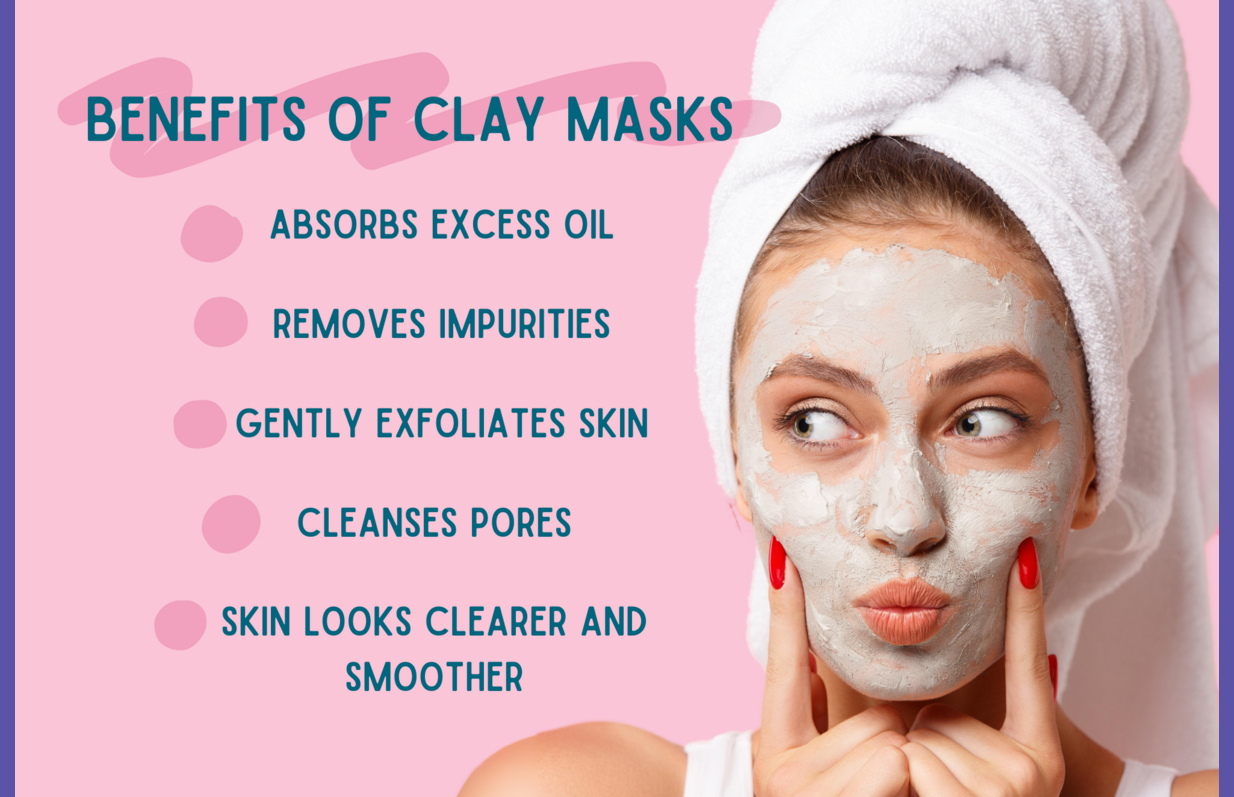
Clay mask benefits include deep purification, oil control, and skin detoxification, making them an essential component of any intensive skincare routine. Unlike surface-level cleansing products, clay masks penetrate deeper into pores, drawing out impurities and excess sebum while delivering beneficial minerals to the skin. With the right approach, these powerful treatments can transform your complexion when incorporated into your weekly skincare regimen.
⭐ What We’ll Discover
Face Mask Types
1
Understanding Different Mask Categories
Face masks fall into several distinct categories, each serving different skincare needs. Clay masks stand apart from other varieties due to their exceptional purifying properties.[source 1] [source 2]
-
Hydrating masks: Gel-based formulas that boost moisture and plump the skin -
Soothing masks: Cream-based options that calm irritation and reduce redness -
Exfoliating masks: Contain physical or chemical exfoliants to remove dead skin cells -
Clay masks: Mineral-rich formulations that absorb excess oil and draw out impurities
While hydrating masks work primarily on the skin’s surface, clay masks penetrate deeper to provide a thorough cleansing experience. This makes them particularly valuable for addressing congestion and balancing oily skin types.[source 3]
Clay Mask Benefits
1
Oil Control and Balancing
Clay masks excel at absorbing excess sebum, providing immediate oil control for those with oily or combination skin. Clinical studies have demonstrated that using clay masks twice weekly for four weeks significantly reduces visible oiliness and acne lesions.[source 4] [source 5]
2
Detoxification and Purification
The negative electrical charge in clay binds to positively charged toxins, bacteria, and environmental pollutants, effectively removing them from the skin. This purifying action reduces inflammation while preserving beneficial skin flora, creating a cleaner canvas for the rest of your skincare products.[source 6]
3
Mineral Nourishment
Beyond cleansing, clay masks deliver essential minerals like silica, magnesium, and iron to the skin. These nutrients support improved texture, enhanced hydration, and more even tone. Regular use also promotes collagen production, contributing to smoother, firmer skin over time.[source 7] [source 5]
Deep Treatment
1
How Clay Masks Work Below the Surface
Clay masks provide deep treatment by penetrating pores to extract impurities and improve oxygenation and circulation. This stands in stark contrast to regular cleansers that work primarily on the skin’s surface.[source 6]
2
Timing and Frequency for Maximum Results
For optimal results, use clay masks 1-2 times weekly for 10-15 minutes per session. Apply after cleansing but before moisturizing to maximize benefits without disrupting your skin’s moisture barrier. Studies confirm significant improvements in skin texture and sebum levels when following this protocol.[source 5]
Purifying Masks
1
The Science Behind Purification
Purifying masks specifically target excess oil and impurities, with clay serving as the foundation due to its exceptional adsorption properties. The porous structure of clay allows it to bind with and remove unwanted substances from the skin.[source 6]
2
Ingredient Synergies for Enhanced Results
The most effective purifying formulations combine clay varieties like kaolin or bentonite with complementary ingredients such as tea tree oil or salicylic acid. These combinations enhance the mask’s ability to clear congestion and balance oil production.[source 8] [source 5]
Weekly Skincare
1
Creating Your Optimal Mask Schedule
Integrate clay masks into your weekly skincare routine 1-2 times, spacing them appropriately from other active treatments like exfoliants. This frequency provides intensive benefits without risking irritation or barrier damage.[source 9] [source 5]
2
Sample Weekly Framework
A balanced weekly framework might include:
-
Monday: Cleanse, tone, clay mask, hydrating serum, moisturize -
Wednesday: Gentle chemical exfoliation, hydrating products -
Friday: Second clay mask or alternative hydrating mask -
Daily: Cleansing, toning, targeted serums, moisturizer, SPF (morning)
This approach allows your skin to benefit from multiple treatment types while maintaining proper barrier function.[source 3]
Face Masks Routine
1
Step-by-Step Integration
Incorporating masks into your face masks routine requires proper sequencing:
-
Start with thorough cleansing to remove surface impurities -
Apply toner to balance pH (optional) -
Apply clay mask evenly, avoiding eye and lip areas -
Allow to set for 10-15 minutes until semi-dry -
Rinse thoroughly with lukewarm water -
Follow with hydrating toner, serum, and moisturizer -
Apply SPF if during daytime
This sequence ensures your skin receives maximum benefits from both the clay mask and subsequent products.[source 5]
How to Choose the Right Clay Mask for Your Skin Type
1
Understanding Clay Varieties
Different clay varieties offer unique benefits for specific skin concerns:
-
Bentonite: Highest absorption capacity, ideal for very oily or acne-prone skin -
Kaolin: Gentler option rich in silica and iron, suitable for sensitive or combination skin -
French green (illite): Excellent detoxifier for normal to oily skin types
Selecting the appropriate clay type ensures you’ll receive maximum benefits without unnecessary irritation.[source 10] [source 11]
2
Additional Ingredients to Look For
The best formulations pair clay with complementary ingredients:
-
Hyaluronic acid or glycerin to prevent over-drying -
Niacinamide for brightening and strengthening -
Chamomile or aloe for added soothing properties -
Tea tree or witch hazel for additional purification
Always patch test new products, especially if you have sensitive or reactive skin.[source 3]
How to Use a Clay Mask (How-To)
1
Preparation and Application
Start with clean, slightly damp skin. Apply a thin, even layer (approximately 1/8-inch thick) using clean fingers or a mask brush, avoiding the eye area and lips. For enhanced results, gently steam your face or apply a warm towel for 2 minutes before application to open pores.[source 6]
2
Timing and Removal
Allow the mask to remain on your skin for 10-15 minutes until it feels firm but not completely dry or cracking. This timing maximizes purification without over-drying. Remove with lukewarm water and gentle circular motions. Pat (don’t rub) your face dry with a clean towel.[source 3]
Common Mistakes and Safety Tips
1
Avoiding Over-Drying
Never allow clay masks to completely dry and crack on your skin. This can lead to excessive drying and potential irritation. Remove the mask when it feels firm but still slightly tacky in some areas.[source 3]
2
Frequency and Skin Type Considerations
Limit clay mask use to twice weekly maximum, as excessive application can trigger rebound oil production. Those with dry or sensitive skin should use clay masks more sparingly (once weekly or bi-weekly) and always follow with hydrating products.[source 12] [source 5]
Your Questions Answered
Q: How long does it take to see results from clay masks?
A: Most people notice immediate improvements in skin appearance after a single use, particularly reduced oiliness and refined pores. However, for significant improvements in acne and texture, consistent use for 4-6 weeks is typically needed. Clinical studies demonstrate measurable improvements in both oil control and acne reduction after four weeks of twice-weekly application.[source 13] [source 5]
Q: Are clay masks suitable for sensitive skin?
A: Yes, but choose carefully. Kaolin clay is generally the most suitable for sensitive skin due to its gentle nature while still providing purifying benefits. Look for formulations that combine kaolin with soothing ingredients like chamomile or aloe vera. Always patch test new products and limit initial use to once weekly.[source 2]
Q: Do clay masks permanently shrink pores?
A: No, clay masks cannot permanently change pore size, but they can make pores appear smaller by removing excess oil and debris that stretch pores open. Regular use helps maintain this effect by preventing new buildup, but results require ongoing maintenance.[source 6]
Q: Can I use a clay mask if I have dry skin?
A: Yes, but with modifications. Choose gentler clay formulations like kaolin mixed with hydrating ingredients. Use less frequently (once every 1-2 weeks) and always follow with a rich moisturizer. Consider applying the mask only to oilier areas like the T-zone rather than the entire face.[source 14] [source 11]
Start Your Clay Mask Journey Today
Begin your clay mask regimen with a simple four-week plan. Start with one weekly application, gradually increasing to twice weekly by week two. Monitor how your skin responds and adjust accordingly. Remember that consistency is key—the most significant improvements come from regular use over time rather than frequency within a single week.
Always listen to your skin and adjust your routine as needed. The perfect clay mask protocol balances purification with proper hydration, creating the ideal foundation for your healthiest skin yet.[source 15]
“
“Confidence blooms when you nurture your skin and honor your unique beauty. Chic X Charm empowers you to embrace your authentic self, one radiant step at a time. Because true self-love begins with caring for the woman you are inside.”