
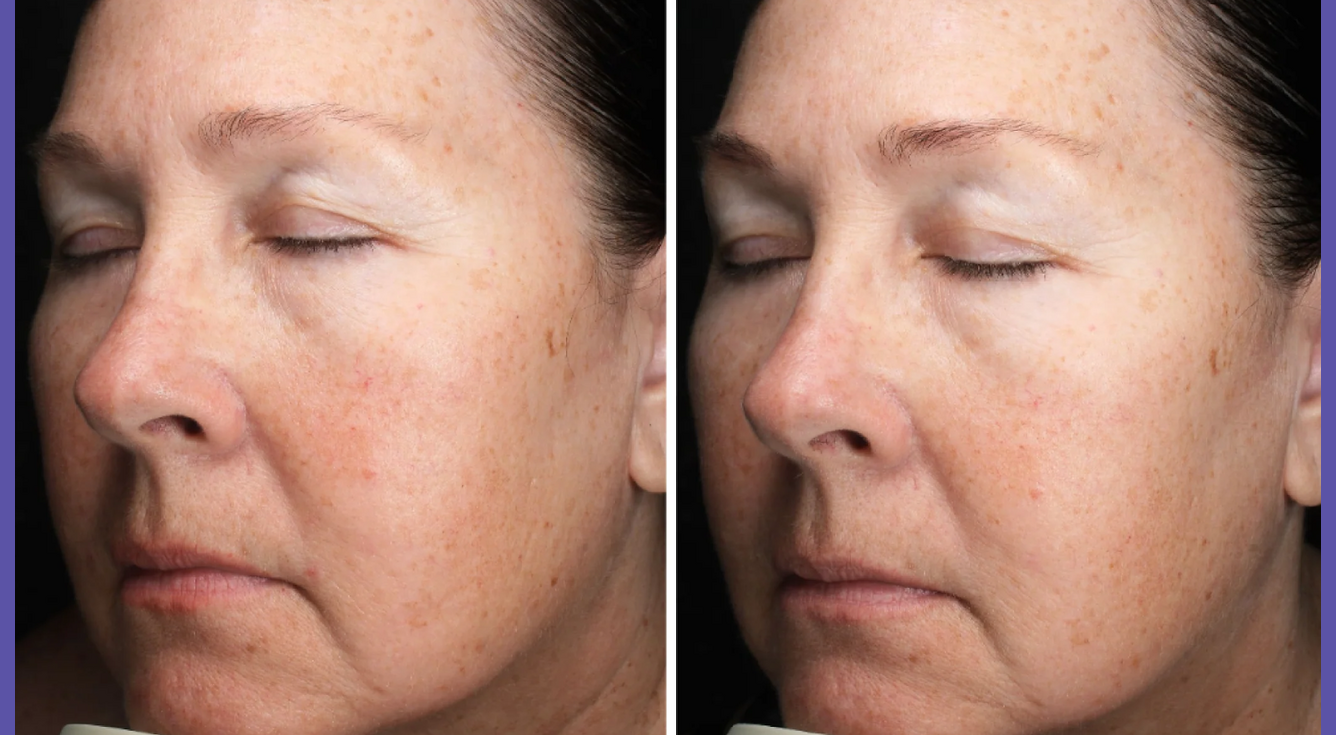
Retinol benefits include smoother skin texture, fewer fine lines, improved acne, and more even skin tone. This vitamin A derivative has earned its reputation as a gold-standard skincare ingredient backed by decades of research and dermatologist recommendations. However, navigating the world of retinoids can feel overwhelming with confusing terminology, potential irritation concerns, and uncertainty about how to start safely. This comprehensive guide will walk you through everything you need to know about retinol benefits, proper usage techniques, and how to create an effective beginner-friendly routine.[source 1] [source 2] [source 3]
⭐ What We’ll Discover
What Is Retinol – And How It Fits Into Retinoid & Vitamin A Skincare
Evidence-Backed Retinol Benefits
Retinol for Beginners – Are You Ready and How Should You Start?
Your Step-by-Step Beginner Retinol Routine
Interactions With Other Actives – What To Avoid or Separate
What To Expect Over Time With Retinol
Safety and Side Effects
Your Questions Answered
Making Retinol Part of Your Long-Term Routine
What Is Retinol – And How It Fits Into Retinoid & Vitamin A Skincare
1
Retinol in simple terms
Retinol is an over-the-counter form of vitamin A that appears in creams and serums. When applied to skin, it converts first to retinaldehyde and then to retinoic acid, which is the active form that communicates with skin cells. This conversion process is what makes retinol gentler than prescription retinoids, as it happens gradually rather than all at once.[source 4] [source 2] [source 5]
2
Retinoids vs retinol (and OTC vs prescription)
“Retinoids” refers to the entire family of vitamin A derivatives. This family includes both over-the-counter options like retinol, retinaldehyde, and retinyl esters, as well as prescription-strength options like tretinoin, adapalene, and tazarotene. Generally, prescription retinoids work faster and more powerfully but can cause more irritation than their OTC counterparts.[source 5] [source 6]
3
What does “vitamin A skincare” mean?
When you see “vitamin A skincare” on product labels, it typically indicates the formula contains some form of retinoid. These products aim to increase cell turnover, boost collagen production, and improve overall skin texture and appearance. Different forms have varying potencies, with retinyl esters (like retinyl palmitate) being among the gentlest and prescription retinoic acid being the strongest.[source 3] [source 7]
Evidence-Backed Retinol Benefits
Research and dermatology experts consistently associate these benefits with regular retinol use:
-
Reduces fine lines and wrinkles by stimulating collagen production and preventing collagen breakdown -
Improves skin texture and smoothness through accelerated cell turnover -
Boosts radiance and evens skin tone by fading dark spots and hyperpigmentation -
Helps unclog pores and manage acne by preventing dead skin buildup -
Minimizes the appearance of enlarged pores by normalizing cell shedding -
Supports overall skin thickness and elasticity for a firmer appearance -
May enhance the effectiveness of other skincare products by improving absorption
Retinol for Beginners – Are You Ready and How Should You Start?
1
How to decide if you’re ready for retinol
Retinol is suitable for most people concerned with early signs of aging, uneven tone, occasional breakouts, or those in their late 20s and beyond looking for prevention. However, you should consult a dermatologist before starting if you have very sensitive or reactive skin conditions like rosacea or eczema, are currently using strong exfoliants, or are pregnant or breastfeeding (most guidelines recommend avoiding retinoids during these times).[source 9] [source 10] [source 5]
2
Starting strength and formula for first-timers
Beginners should choose a low concentration product, typically 0.1-0.3% retinol, in a formula that contains soothing and hydrating ingredients. Look for products that include glycerin, hyaluronic acid, ceramides, or niacinamide to help buffer potential irritation and support your skin barrier while it adjusts to retinol.[source 11] [source 2] [source 3] [source 8]
3
Patch testing and gradual introduction
Before applying retinol to your entire face, conduct a patch test by applying a small amount to your jawline for 2-3 nights and watching for any unusual reactions. Once confirmed safe, start with once-weekly application for the first two weeks, then increase to twice weekly (non-consecutive nights) for weeks 3-4. Gradually build up frequency as your skin acclimates, potentially reaching every other night over time.[source 12] [source 5] [source 13]
Your Step-by-Step Beginner Retinol Routine
1
Night-time retinol routine (recommended)
Apply retinol at night following this sequence:
-
Use a gentle, non-stripping cleanser without strong acids or scrubbing particles -
Apply an optional alcohol-free hydrating toner or essence if your skin tends to be dry -
Wait until skin is completely dry (about 10-15 minutes), then apply a pea-sized amount of retinol to the entire face, avoiding the eye area, corners of mouth, and nose creases -
Follow with a moisturizer rich in barrier-supporting ingredients like ceramides, hyaluronic acid, or squalane -
The next morning, apply sunscreen with at least SPF 30 protection
2
Why mostly night-time?
Dermatologists generally recommend using retinol at night because it can increase photosensitivity, and the ingredient itself becomes less stable when exposed to sunlight. Nighttime application also aligns with your skin’s natural repair cycle, potentially enhancing results.[source 10] [source 5]
3
The “sandwich technique” for sensitive skin
If you experience sensitivity, try the “sandwich method”: apply a thin layer of moisturizer, wait for it to absorb, then apply retinol, and finish with another layer of moisturizer. This buffering technique can significantly reduce irritation while still allowing you to receive retinol benefits.[source 13] [source 7]
Interactions With Other Actives – What To Avoid or Separate
When incorporating retinol into your routine, be careful with:
-
Strong acids (AHAs/BHAs): Glycolic, lactic, and salicylic acids can increase irritation when used alongside retinol. Use them on alternate nights instead. -
Benzoyl peroxide: Can be drying and may deactivate certain retinoids. Separate them into different routines (morning vs. night). -
Vitamin C: Both ingredients are beneficial but potentially irritating together. Most dermatologists recommend using vitamin C in the morning and retinol at night. -
Physical exfoliants: Avoid scrubs and brushes on retinol nights as they may increase sensitivity.
What To Expect Over Time With Retinol
Retinol results appear gradually according to this typical timeline:
-
Short term (2-4 weeks): You may experience some dryness or mild flaking. Some users begin to notice slightly smoother texture. -
Medium term (8-12 weeks): More visible changes in fine lines, skin tone, and overall radiance as collagen production increases and cell turnover normalizes. -
Long term (6-12+ months): Continued improvements in firmness, fine lines, and pigmentation with consistent use.
Dermatologists consider retinol a “long-game” ingredient – the best results come from consistent, steady use rather than aggressive application.[source 2] [source 8] [source 5]
Safety and Side Effects
Common side effects include temporary dryness, flaking, mild redness, or a sensation of tightness, especially during the first few weeks. Some users may experience “purging” where existing clogged pores surface faster, causing temporary breakouts. These reactions are typically normal and subside as your skin adjusts.
To minimize irritation:
-
Follow the gradual introduction schedule outlined earlier -
Always apply to completely dry skin -
Use the sandwich technique if sensitivity occurs -
Avoid direct sun exposure and always wear sunscreen -
Store your retinol products in a cool, dark place to maintain potency
Your Questions Answered
Q: How long before I see results from retinol?
A: Most people notice subtle texture improvements within 2-4 weeks, but more significant changes in fine lines, tone, and clarity typically become visible after 8-12 weeks of consistent use. The most impressive results develop with long-term commitment, often after 6-12 months of regular application. Remember that retinol works by gradually changing your skin’s functioning, not by creating temporary surface effects.[source 2] [source 8]
Q: Can I use retinol with other skincare actives?
A: Yes, but beginners should avoid using multiple strong active ingredients in the same routine. A good strategy is to use vitamin C products in the morning for antioxidant protection, retinol at night for renewal, and to alternate nights between retinol and exfoliating acids (like glycolic or salicylic). This approach maximizes benefits while minimizing potential irritation.[source 5] [source 7]
Q: Is retinol safe for sensitive skin?
A: Many people with sensitive skin can use retinol successfully by starting with very low concentrations (0.01-0.1%), using the sandwich method, and increasing frequency extremely gradually. However, individuals with highly reactive skin or conditions like rosacea should consult a dermatologist before starting retinol, as they may need specially formulated options or alternative ingredients that provide similar benefits with less irritation potential.[source 2] [source 8]
Q: When should I consider prescription retinoids instead of OTC retinol?
A: Consider discussing prescription retinoids with a dermatologist if you have moderate-to-severe acne that hasn’t responded to over-the-counter treatments, significant sun damage or deeper wrinkles, or if you’ve used OTC retinol consistently for 6+ months with limited improvement. Prescription options are stronger and can produce faster results, but require professional guidance to manage potential side effects and proper usage.[source 15] [source 5] [source 6]
Making Retinol Part of Your Long-Term Routine
Retinol stands as one of the most research-backed skincare ingredients for improving skin texture, tone, and signs of aging. The key to success lies in starting slowly with low concentrations, maintaining consistent use, prioritizing hydration, and never skipping sun protection. Most dermatologists agree that retinol delivers its most impressive results when viewed as a long-term commitment rather than a quick fix.[source 16]
For beginners, focus on the fundamentals: patch test before full-face application, start with once-weekly use, gradually increase frequency, and listen to your skin’s response. With patience and proper technique, you can enjoy the significant benefits of this powerhouse ingredient while minimizing potential irritation.[source 10] [source 5] [source 7]
“
“True beauty flourishes when you nurture your confidence and embrace what makes you uniquely radiant. Every step you take in caring for yourself is a powerful act of self-love that echoes your worth. Because at Chic X Charm, empowering women means helping you shine with unapologetic authenticity.”